Description
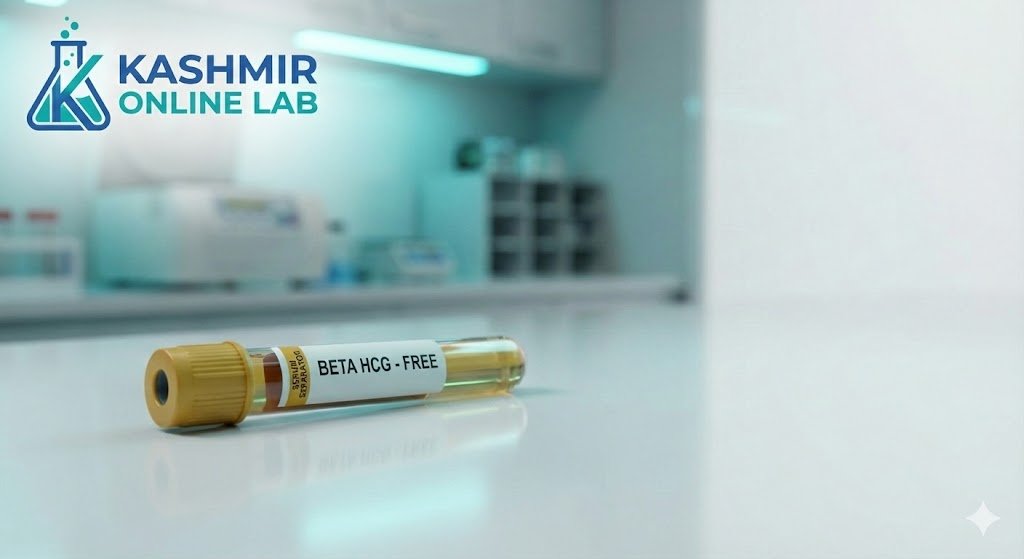
Overview: Human chorionic gonadotropin (hCG) is a hormone produced by the placenta during pregnancy and by some tumors. It consists of two subunits, alpha and beta. The Free Beta hCG test specifically measures only the unbound beta subunit, rather than the intact hormone molecule. This distinction is crucial for its specific diagnostic uses.
Clinical Significance:
-
Prenatal Screening: Used in combination with other markers (like PAPP-A) and an ultrasound in the first trimester to estimate the risk of a fetus having chromosomal abnormalities, particularly Down syndrome (Trisomy 21) and Edwards syndrome (Trisomy 18).
-
Tumor Marker: Elevated levels can indicate the presence of certain germ cell tumors (e.g., in the testes or ovaries) and gestational trophoblastic diseases (like molar pregnancies). It is used to help diagnose these conditions and monitor the response to treatment.
When is this test recommended?
-
As part of a first-trimester screening for pregnant women, typically between 11 and 14 weeks of gestation.
-
To evaluate and monitor patients with suspected or confirmed germ cell tumors.
-
To assess the risk of molar pregnancy or choriocarcinoma.
Sample Requirements:
-
Specimen: Serum.
-
Container: Gold Top (SST) or Red Top Tube.
-
Preparation: No fasting is typically required.