Description
verview: This test screens for total antibodies (both IgG and IgM) produced by the immune system in response to Brucella bacteria. It is widely known as the Standard Tube Agglutination (STA) or Slide Agglutination test. Unlike the specific IgM test (which looks only for new infections), this test serves as a broad “yes/no” screen to see if the patient has ever been exposed to the bacteria.
Clinical Significance:
-
Screening Tool: It is the first line of defense for investigating “Fever of Unknown Origin” (FUO). A negative result usually rules out Brucellosis.
-
Titre Levels: Results are often reported as a “titre” (e.g., 1:80, 1:160).
-
Low Titre: May indicate past exposure or an old infection.
-
High Titre (e.g., >1:160): Strongly suggests an active, ongoing infection.
-
-
Monitoring: Doctors look for a “rising titre” (antibodies increasing over 2 weeks) to confirm active disease.
When is this test recommended?
-
Symptoms: Recurrent “undulant” fever (rising and falling), profuse sweating (smelling like wet hay), and deep bone or joint pain.
-
History: Recent consumption of raw milk, soft cheeses, or undercooked meat.
-
Occupational Risk: Routine screening for shepherds, dairy farmers, veterinarians, and slaughterhouse workers.
Sample Requirements:
-
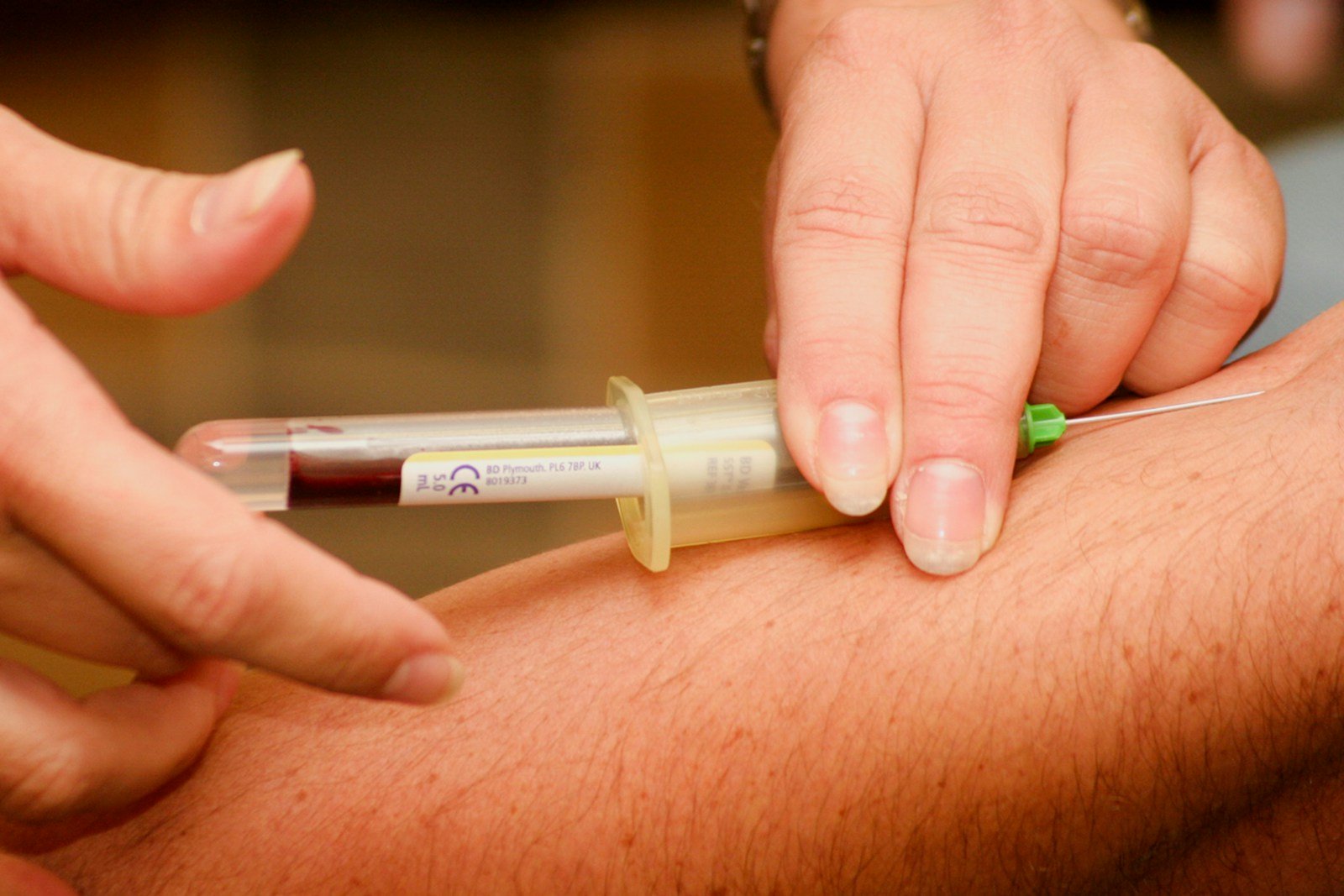
Specimen: Serum (Blood).
-
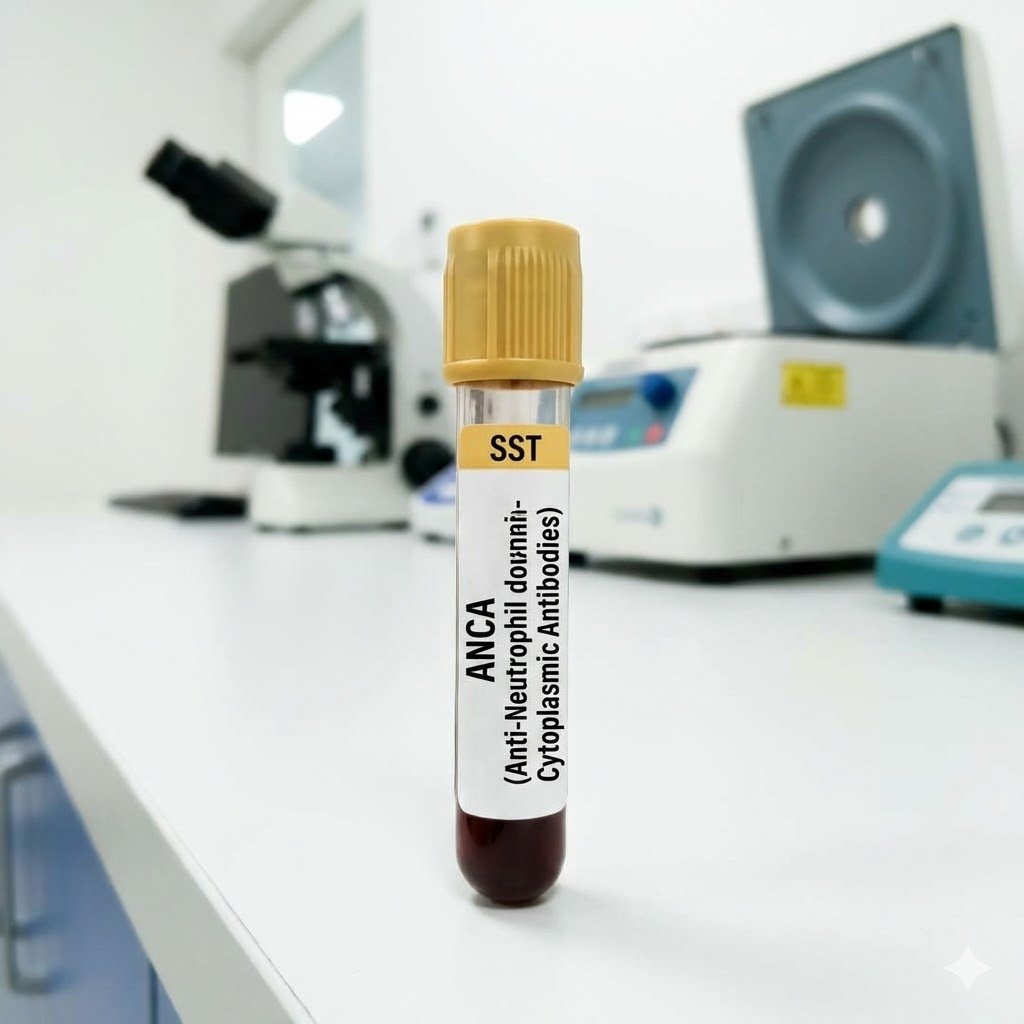
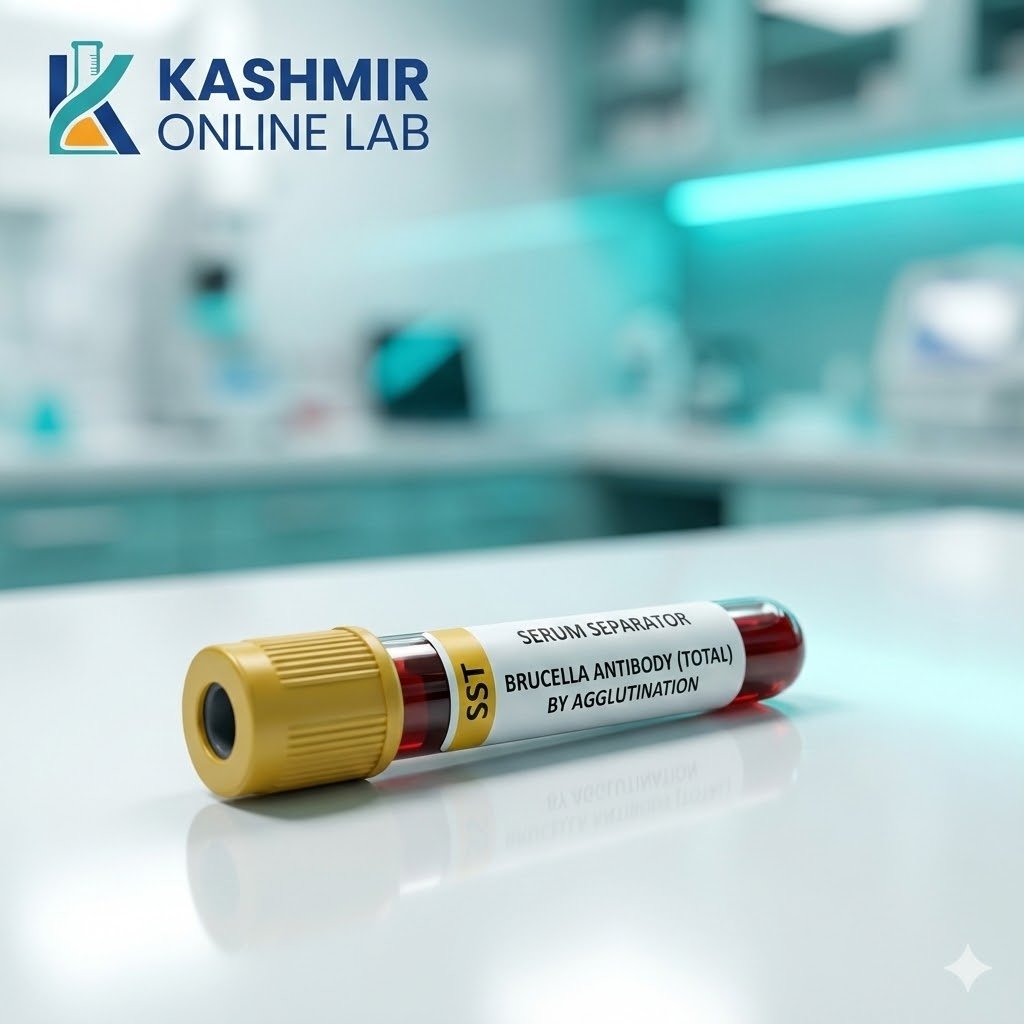
Container: Gold Top (SST) or Red Top Tube.
-
Preparation: No special preparation is required.