
Description
The CA 27.29 (Cancer Antigen 27.29) test is a specific blood test used primarily as a tumor marker to monitor breast cancer.
Description
- What it is: CA 27.29 is a mucin-like glycoprotein (a type of protein) that is produced by the MUC1 gene. It is found on the surface of many cell types but is overexpressed and shed into the bloodstream by breast cancer cells.
- Relation to CA 15-3: It is similar to the CA 15-3 marker and measures the same protein, but CA 27.29 is often considered more sensitive.
Purpose & Clinical Significance
This test is not a screening tool for the general public. It is strictly used for:
- Monitoring Metastatic Breast Cancer: It helps track the course of the disease in patients with active stage II or III breast cancer.
- Checking for Recurrence: Rising levels can be an early warning sign that the cancer has returned or spread (metastasized) after treatment, sometimes months before symptoms appear.
- Evaluating Treatment: Decreasing levels generally indicate that the chemotherapy or therapy is working, while stable or rising levels suggest the tumor is not responding.
Procedure
Unlike the 24-hour urine tests, this is a standard blood test.
- Preparation: No special preparation (fasting or stopping medications) is usually required, but always follow specific doctor instructions.
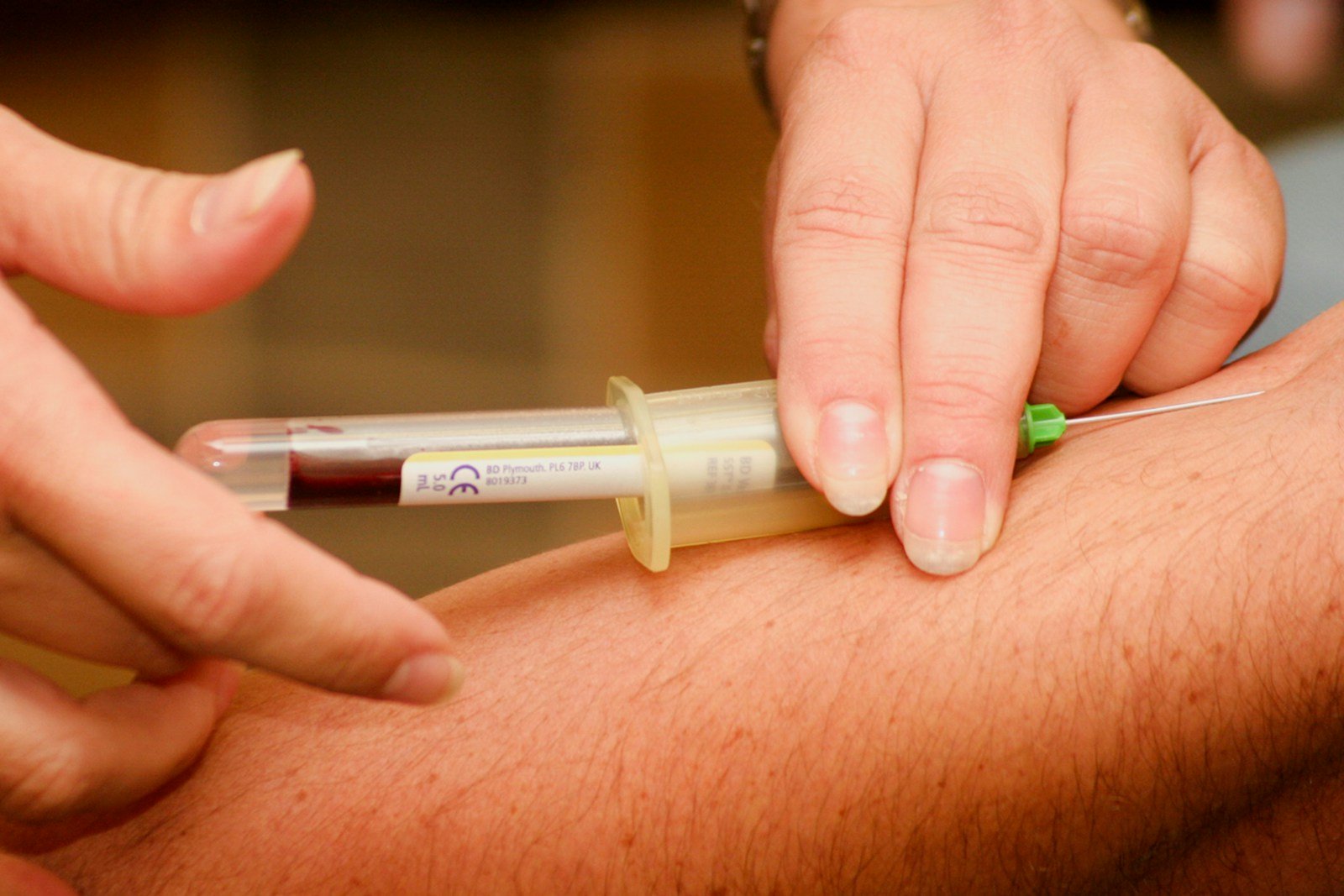
- Collection: A healthcare professional draws a blood sample from a vein in the arm using a needle.
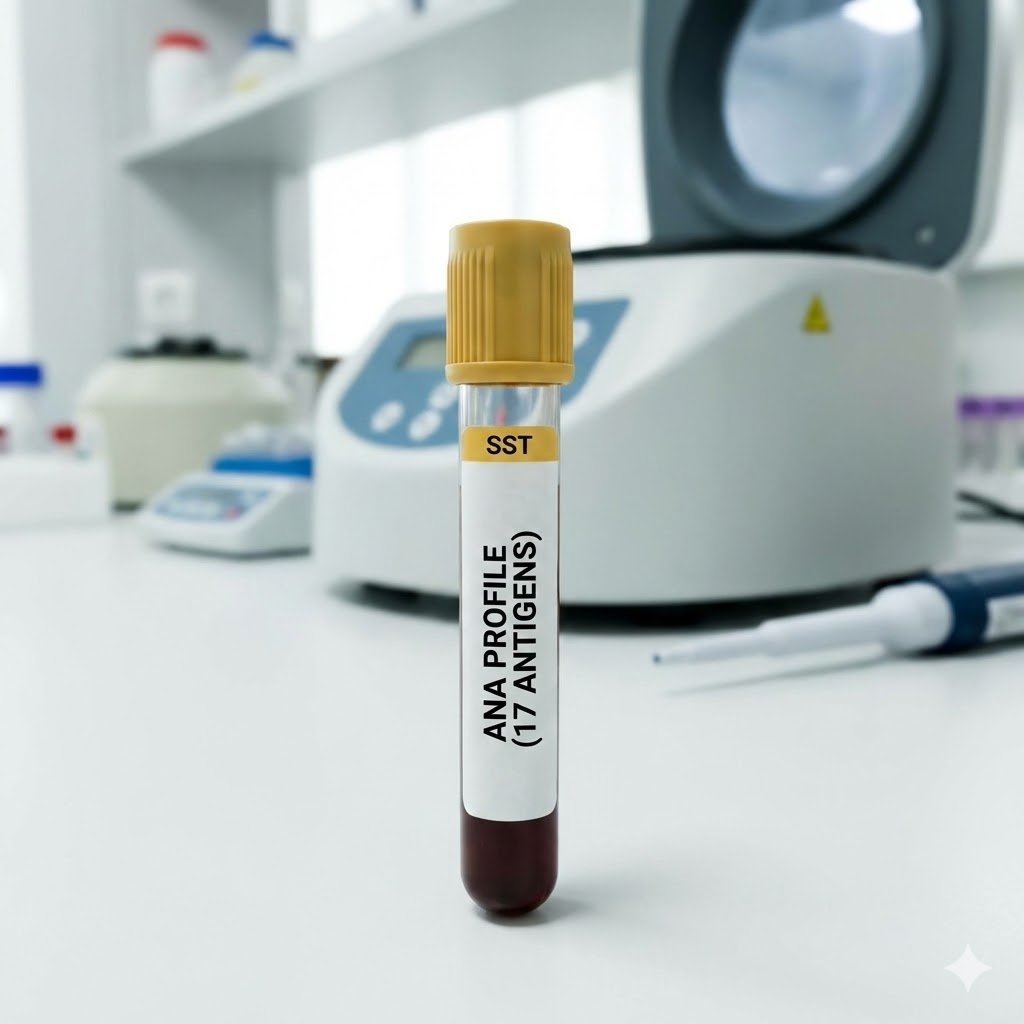
- Processing: The blood is collected in a standard serum tube (Red Top or Gold/SST) and sent to the laboratory for analysis.
Reference Ranges
- Normal: Typically < 38 U/mL (Units per milliliter) or sometimes < 40 U/mL depending on the lab.
- Note: Small elevations can occur in non-cancerous conditions like ovarian cysts, benign breast disease, and liver disease.
Interpreting Results
- Normal (< 38 U/mL): Suggests no active breast cancer or that the cancer is stable/remission.
- Elevated (> 38 U/mL): May indicate active breast cancer recurrence or metastasis. However, results must always be interpreted alongside physical exams and imaging (like CT or PET scans) because false positives can occur.