Description
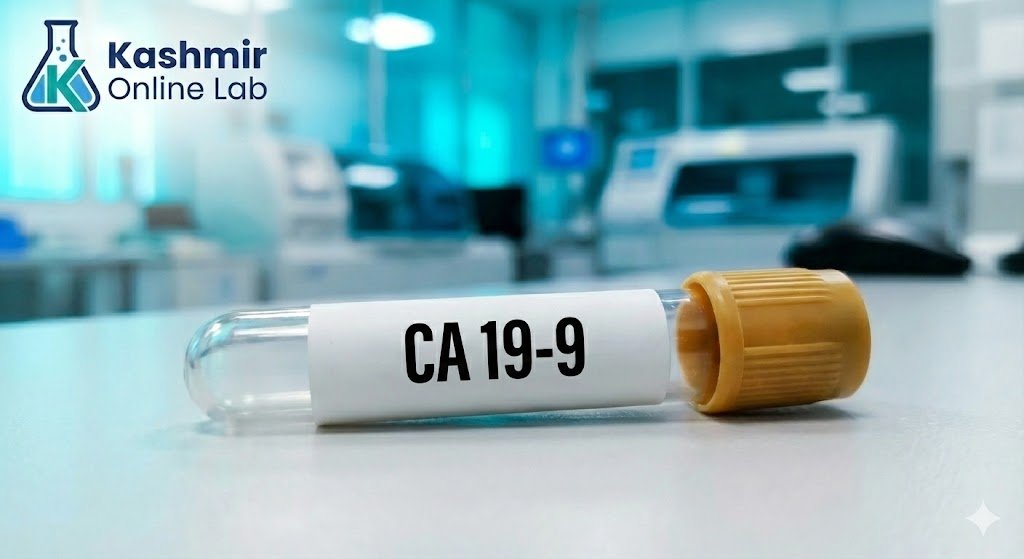
Overview: Cancer Antigen 19-9 (CA 19-9) is a tumor marker used primarily in the management of pancreatic cancer. While low levels can be found in healthy individuals, significantly high levels are often associated with pancreatic malignancy. It is not used as a screening test for the general population.
Clinical Significance:
-
Pancreatic Cancer: This is the most common clinical use. It helps in monitoring response to therapy (surgery, chemotherapy) and detecting recurrence. Rising levels may indicate disease progression.
-
Other Cancers: Elevated levels can also be seen in cancers of the bile duct (cholangiocarcinoma), gallbladder, stomach, colon, and liver.
-
Benign Conditions: High CA 19-9 is not specific for cancer. Levels can be elevated in non-cancerous conditions such as pancreatitis, liver cirrhosis, gallstones, and cystic fibrosis.
-
Lewis Antigen Negative: A small percentage of the population (Lewis a-b- genotype) cannot produce CA 19-9 even if they have a large tumor, leading to a false-negative result.
When is this test recommended?
-
To monitor patients with diagnosed pancreatic cancer during and after treatment.
-
To assess for recurrence in patients who have been treated for pancreatic or biliary tract cancers.
-
Sometimes used in conjunction with other tests (like imaging) to help differentiate between cancerous and benign pancreatic conditions.
Sample Requirements:
-
Specimen: Serum.
-
Container: Gold Top (SST) or Red Top Tube.
-
Preparation: No fasting is typically required.