Description
C-ANCA (Cytoplasmic Antineutrophil Cytoplasmic Antibody) by IFA
Overview
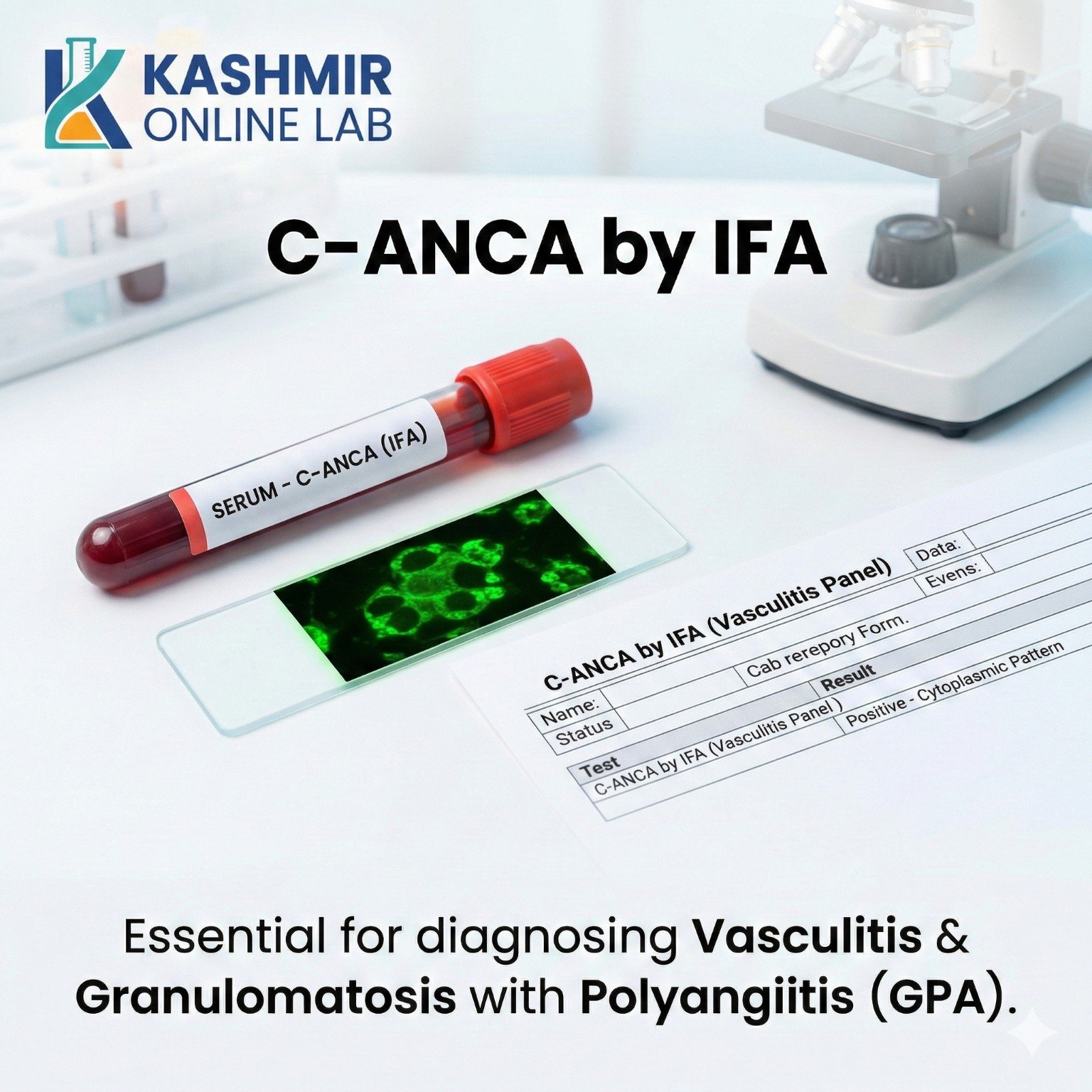
The C-ANCA by IFA Test looks for specific autoantibodies in the blood that attack neutrophils (a type of white blood cell). Under a microscope, using the Immunofluorescence Assay (IFA) technique, these antibodies display a distinctive “Cytoplasmic” (C-ANCA) staining pattern.
This test is a critical marker for diagnosing certain types of Systemic Vasculitis—a group of conditions that cause inflammation of the blood vessels. It is most strongly associated with Granulomatosis with Polyangiitis (GPA), previously known as Wegener’s Granulomatosis.
Why is this test recommended?
Rheumatologists or nephrologists typically request this test if a patient presents with symptoms of small-vessel vasculitis, such as:
Respiratory Issues: Chronic sinusitis, nosebleeds, or lung nodules.
Kidney Problems: Blood in urine (hematuria) or abnormal kidney function tests.
General Symptoms: Unexplained fever, weight loss, and fatigue.
Joint Pain: Arthritis or muscle pain without a clear cause.
Interpretation
Positive Result: A positive C-ANCA pattern (often confirmed with a PR3 antibody test) strongly suggests Granulomatosis with Polyangiitis (GPA).
Negative Result: While a negative result makes vasculitis less likely, it does not completely rule it out, especially if symptoms persist.
Patient Preparation
Fasting: No fasting is required. You may eat and drink normally before the test.
Medications: Inform the lab about any immunosuppressive drugs or steroids you are taking, as these can affect antibody levels and test sensitivity.
How is the sample collected?
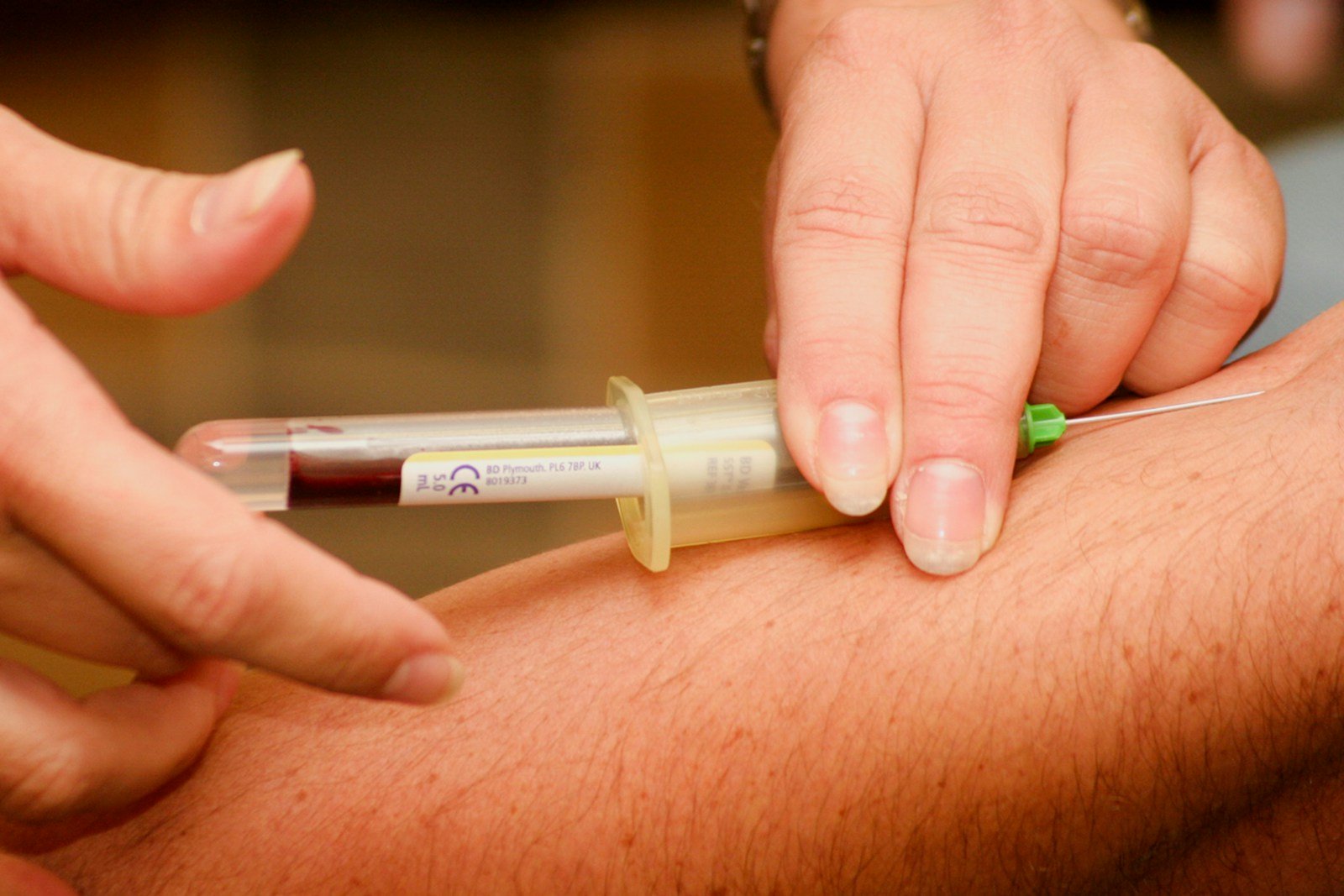
A standard blood draw is required.
A vein is located in the arm.
Approximately 3-5ml of blood is drawn into a serum tube (Yellow or Red top).
The sample is centrifuged to separate the serum for testing.