
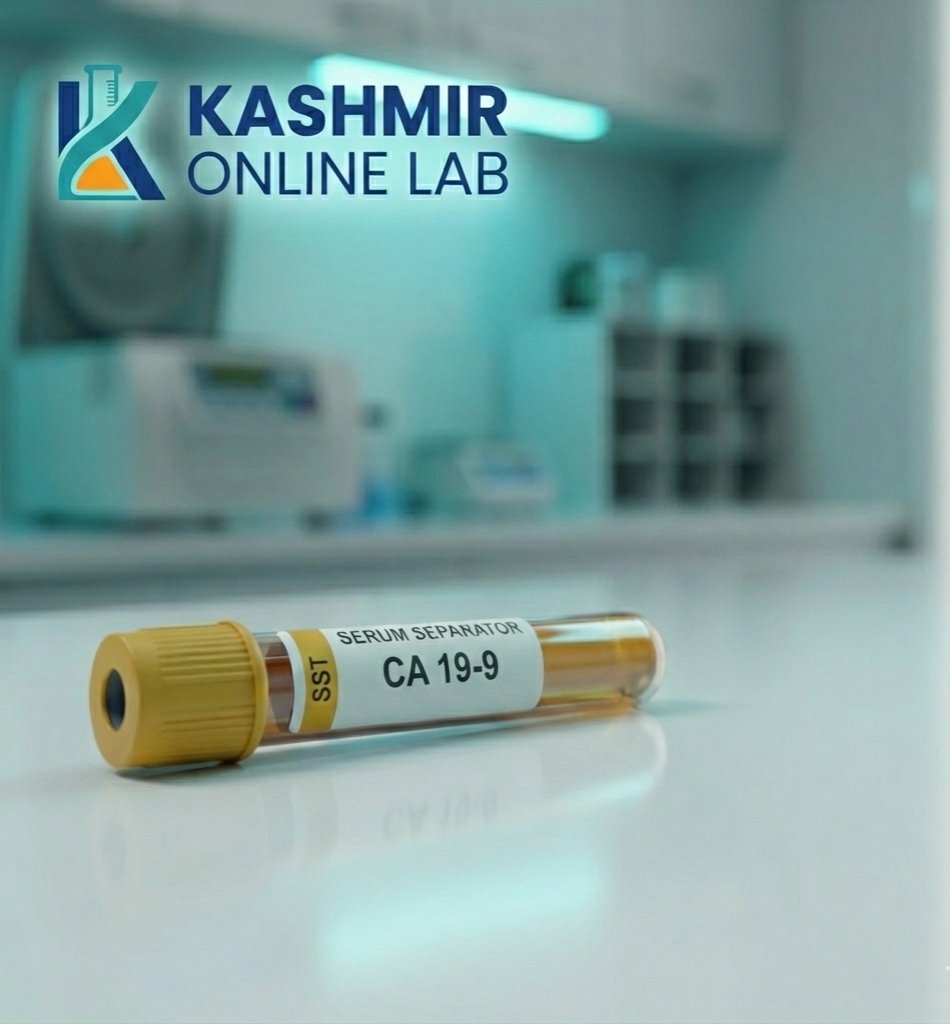
Description
Overview:
Carbohydrate Antigen 19-9 (CA 19-9) is a tumor marker—a substance produced by cancer cells or by the body in response to cancer. High levels of CA 19-9 are primarily associated with pancreatic cancer, but can also be elevated in other conditions.
Clinical Significance:
Pancreatic & Hepatobiliary Cancers: This is the gold-standard marker for helping to diagnose and monitor pancreatic adenocarcinoma.
Monitoring Treatment: For patients undergoing chemotherapy or surgery, falling CA 19-9 levels indicate the treatment is working, while rising levels may signal a recurrence.
Benign Conditions: It is important to note that non-cancerous conditions, such as gallstones, pancreatitis, cystic fibrosis, and liver disease, can also cause elevated CA 19-9.
When is this test recommended?
To monitor patients diagnosed with pancreatic or bile duct cancer. To help differentiate between cancer of the pancreas and other conditions (like pancreatitis) when used alongside other diagnostic tools (CT scans, etc.). Note: It is not recommended as a screening test for healthy, asymptomatic people because it can be elevated in many non-cancerous conditions.
Sample Requirements:
Specimen: Serum.
Container: Gold Top (SST) or Red Top Tube.
Preparation: No fasting is typically required, though standard lab protocols may vary.