Description
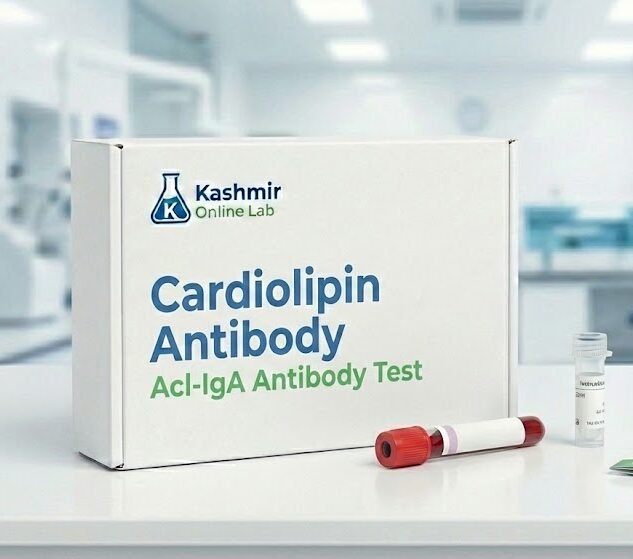
Overview: Cardiolipin antibodies are autoantibodies—immune system proteins that mistakenly attack the body’s own cardiolipins (substances found in cell membranes and platelets). When these antibodies attack, they can affect the body’s ability to regulate blood clotting. The IgA isotype is one of three classes tested (along with IgG and IgM) and is often tested when clinical suspicion is high but the other types are negative.
Clinical Significance:
-
Antiphospholipid Syndrome (APS): Presence of these antibodies is a key marker for APS, an autoimmune disorder.
-
Thrombosis Risk: Elevated levels are associated with an increased risk of excessive blood clotting in veins (deep vein thrombosis) or arteries (stroke, heart attack).
-
Pregnancy Complications: These antibodies are strongly linked to recurrent pregnancy loss (miscarriage), preeclampsia, and stillbirths.
-
Autoimmune Diseases: Often found in patients with Systemic Lupus Erythematosus (SLE) or “Lupus.”
When is this test recommended?
-
If a patient has had unexplained blood clots (thrombotic episodes).
-
In women with a history of recurrent miscarriages or fetal loss.
-
To evaluate prolonged PTT (partial thromboplastin time) results.
-
As part of a full Antiphospholipid panel (IgG, IgM, IgA) when APS is suspected.
Sample Requirements:
-
Specimen: Serum.
-
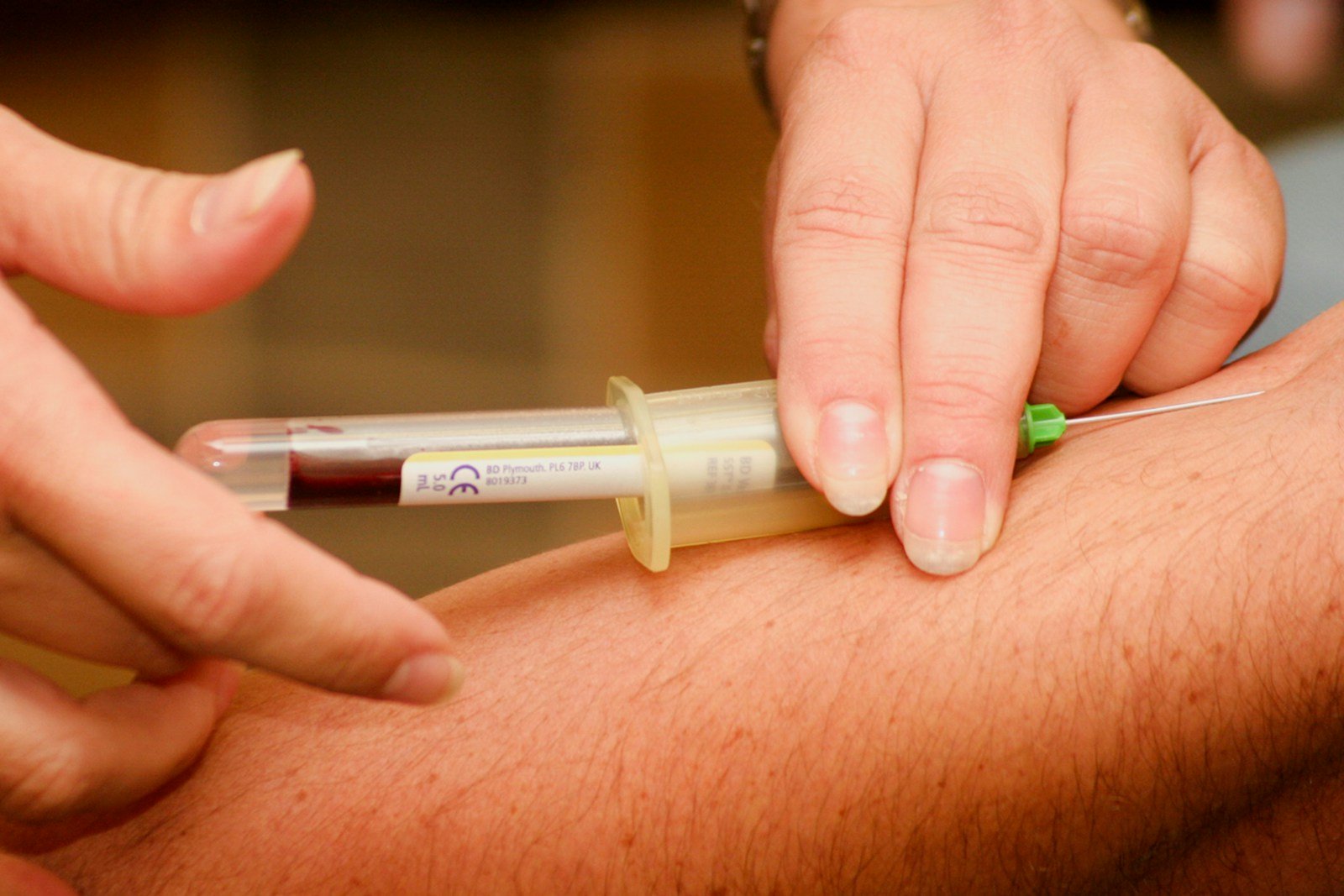
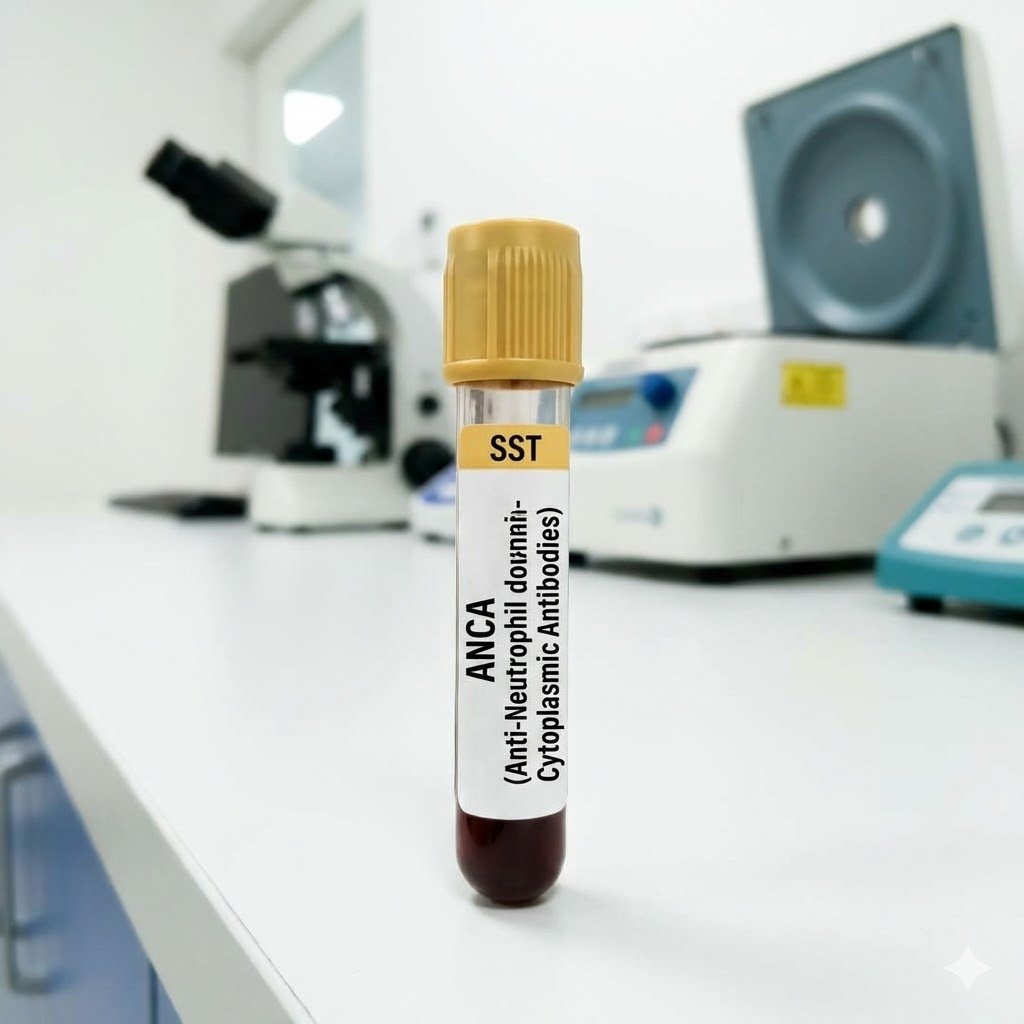
Container: Gold Top (SST) or Red Top Tube.
-
Preparation: No fasting is typically required.