Description
Overview: Cardiolipin antibodies (ACL) are autoantibodies that mistakenly attack cardiolipins, a key component of cell membranes and platelets. The IgM isotype is one of the primary antibodies produced by the immune system. While IgG implies a long-term presence, IgM antibodies are often the first to appear. In the context of Antiphospholipid Syndrome (APS), the presence of IgM (along with IgG) is a major diagnostic criterion.
Clinical Significance:
-
Antiphospholipid Syndrome (APS): A positive result is a strong indicator of APS, an autoimmune disorder that increases the risk of clotting.
-
Thrombotic Events: It helps explain unprovoked Deep Vein Thrombosis (DVT), Pulmonary Embolism (PE), or arterial clots (stroke) in young patients.
-
Pregnancy Loss: Like IgG and IgA, IgM antibodies are associated with recurrent pregnancy complications, including miscarriage in the first trimester or preeclampsia.
-
Infection vs. Autoimmunity: IgM levels can sometimes rise temporarily due to infections (like syphilis, Lyme disease, or HIV) or certain medications. Therefore, doctors often repeat the test 12 weeks later to confirm a diagnosis of APS.
When is this test recommended?
-
When a patient experiences a blood clot (thrombosis) without a clear known cause.
-
When a woman experiences recurrent miscarriages (especially in the 2nd or 3rd trimester).
-
To evaluate a prolonged PTT (Partial Thromboplastin Time) found during routine clotting screens.
-
As part of a panel for Systemic Lupus Erythematosus (SLE).
Sample Requirements:
-
Specimen: Serum.
-
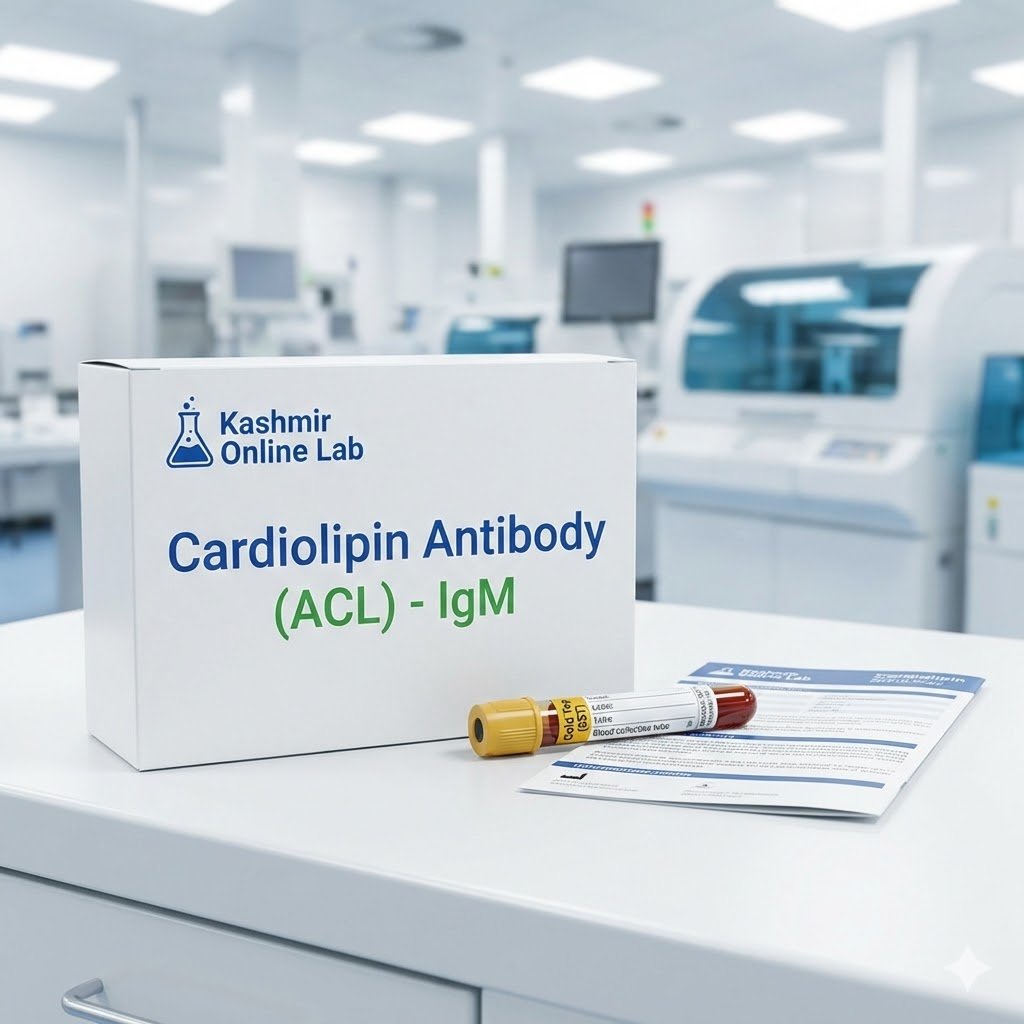
Container: Gold Top (SST) or Red Top Tube.
-
Preparation: No fasting is typically required.