Description
Test Description
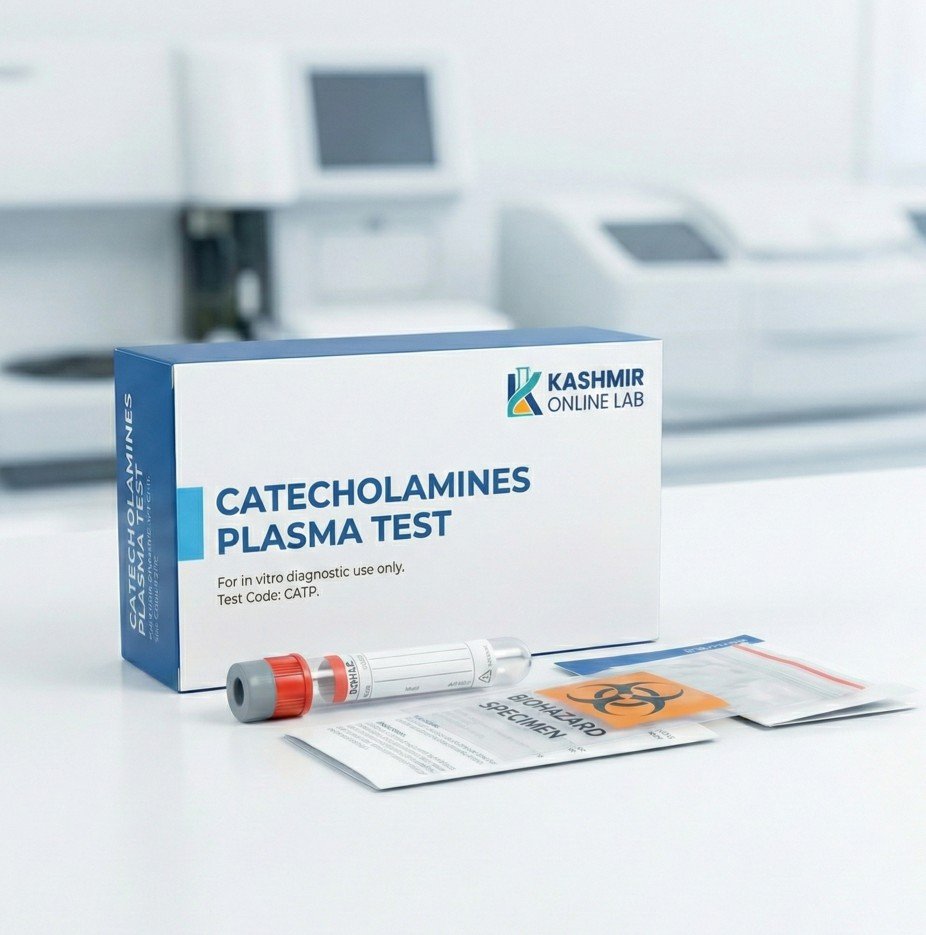
The Catecholamines, Plasma test measures the levels of catecholamines—a group of hormones including epinephrine (adrenaline), norepinephrine, and dopamine—in your blood. These hormones are primarily produced by the adrenal glands in response to stress. They play a crucial role in regulating heart rate, blood pressure, and metabolism.
Purpose of the Test
- Diagnose Adrenal Tumors: This test is primarily used to help diagnose or rule out rare tumors of the adrenal glands, such as pheochromocytoma or paraganglioma.
- Monitor Treatment: It can be used to monitor the effectiveness of treatment for these conditions.
Test Overview
This test measures the levels of catecholamines in the blood. Catecholamines are a group of hormones—specifically epinephrine (adrenaline), norepinephrine, and dopamine—released by the adrenal glands into the bloodstream in response to physical or emotional stress.
While these hormones are vital for the body’s “fight or flight” response, helping to regulate heart rate, blood pressure, and metabolism, permanently elevated levels can indicate underlying health issues.
Why is this test performed?
The Catecholamines Plasma test is primarily used to diagnose or rule out rare tumors of the adrenal glands, such as:
- Pheochromocytoma: A tumor usually found in the adrenal medulla.
- Paraganglioma: A tumor that forms outside the adrenal glands.
-
Your doctor may recommend this test if you are experiencing symptoms such as:
- Persistent or episodic high blood pressure (hypertension)
- Severe headaches
- Palpitations or rapid heart rate
- Excessive sweating
- Unexplained anxiety or tremors
-
Patient Preparation (Important)
Note: Catecholamine levels are very sensitive to stress, posture, and diet. Please follow these instructions carefully to ensure accurate results:
- Fasting: You may be required to fast (no food or drink) for 10–12 hours before the test.
- Rest: You will likely be asked to lie down and relax in a quiet room for 20–30 minutes prior to the blood draw, as moving around can temporarily raise hormone levels.
- Dietary Restrictions: For 24–48 hours before the test, avoid the following foods and fluids as they can interfere with results:
- Caffeine (Coffee, Tea, Energy drinks)
- Bananas and Avocados
- Chocolate and Cocoa
- Citrus fruits
- Walnuts
- Foods containing Vanilla
Medications: Inform the lab or your doctor about any medications you are taking, specifically blood pressure medications or decongestants.
Specimen Requirements
- Sample Type: Blood (Plasma)
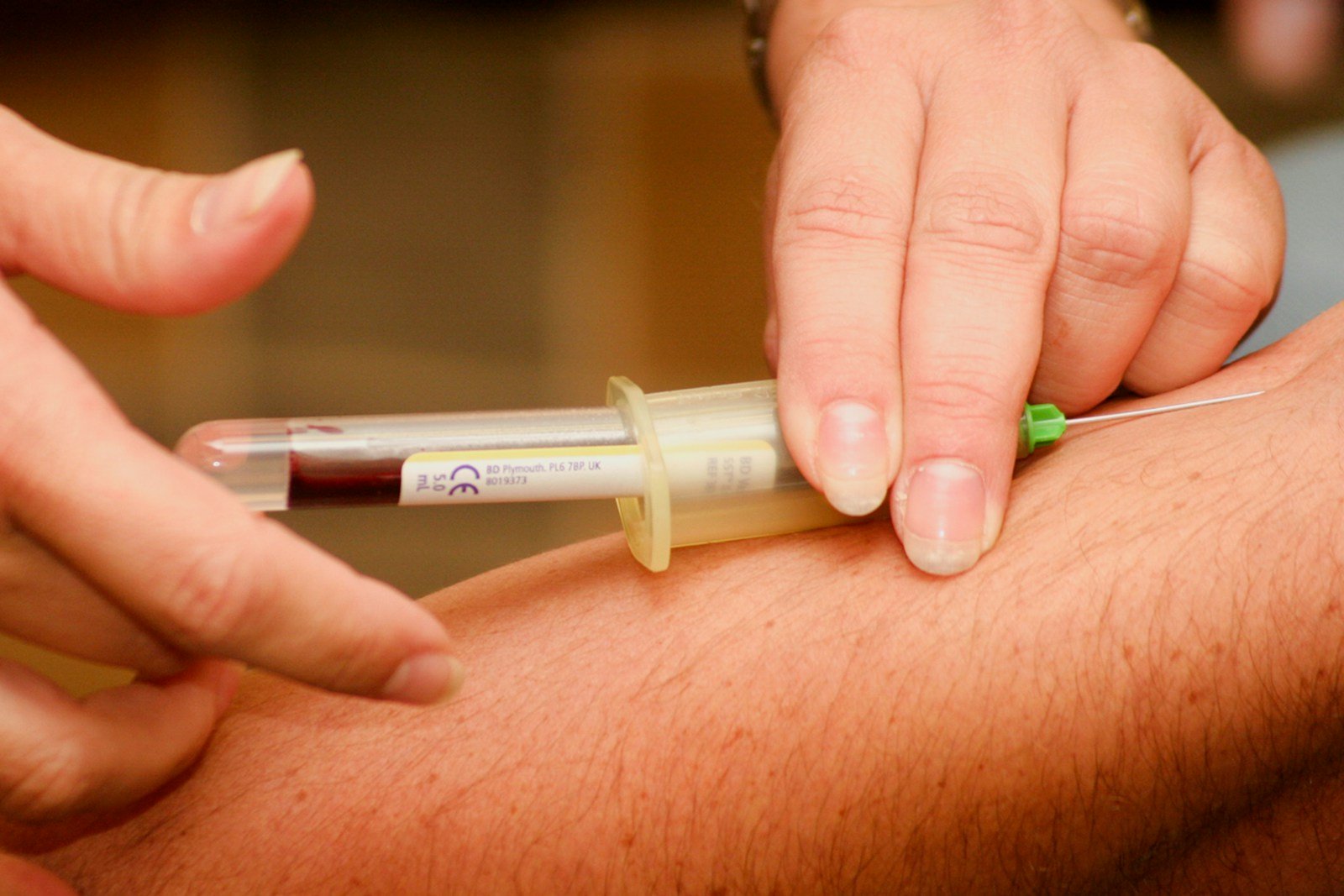
- Collection Method: Venipuncture (arm vein)
- Processing: Sample requires immediate cold handling (chilled tube) to prevent degradation.
-
Turnaround Time
Results Available: Typically within 3–5 business days (varies by laboratory workload).