Description
Overview:
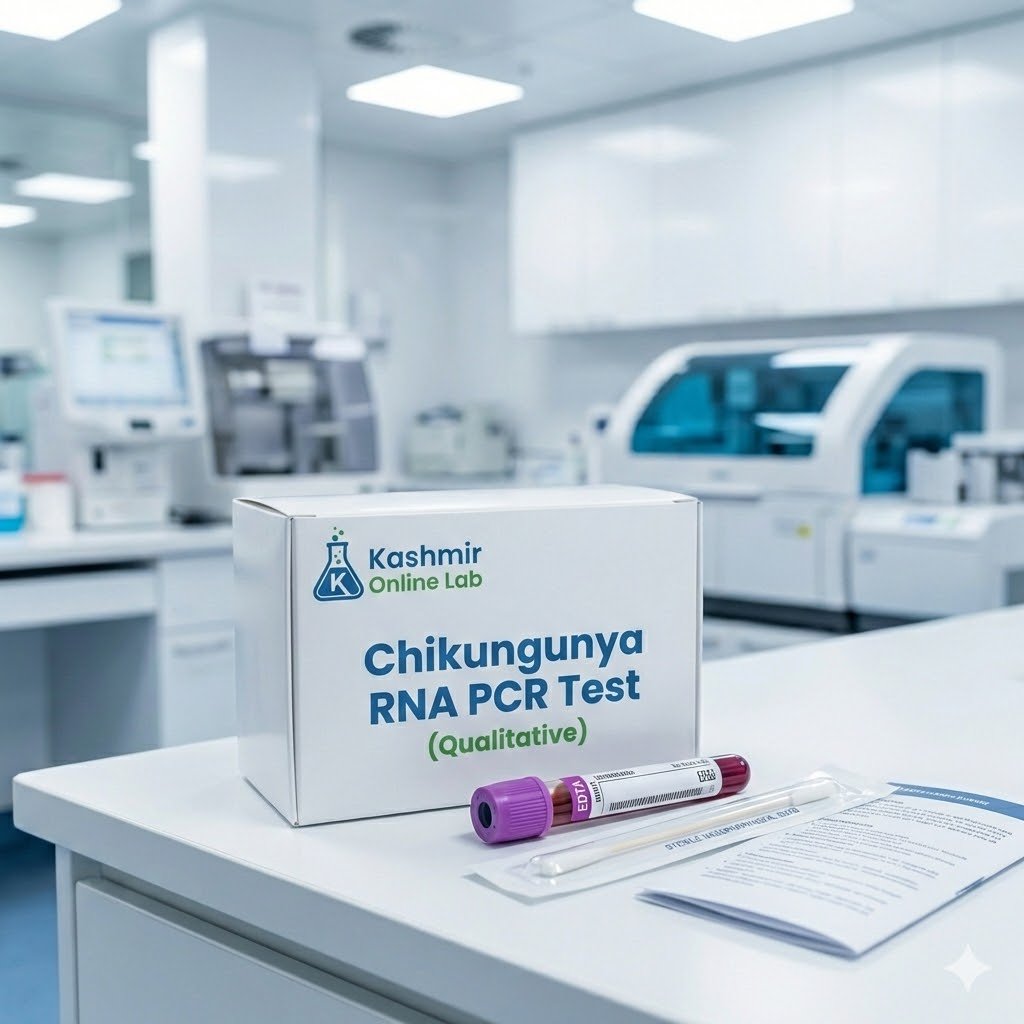
Chikungunya is a viral disease transmitted to humans by infected mosquitoes. It causes fever and severe joint pain. The RNA PCR (Polymerase Chain Reaction) test is a highly sensitive molecular diagnostic tool. While antibody tests (IgM/IgG) can only detect the disease after a week, the PCR test can identify the viral genetic material (RNA) in your blood as soon as symptoms appear.
Clinical Significance:
-
Early Detection: This is the “Gold Standard” test for the acute phase of the illness (typically the first 5–7 days after fever starts).
-
differentiation: Symptoms of Chikungunya (fever, joint pain, rash) often mimic Dengue and Zika virus. A positive PCR result confirms the specific virus, allowing doctors to manage the severe joint pain (arthralgia) associated with Chikungunya effectively.
-
Accuracy: It avoids the “window period” false negatives common with antibody tests during the first few days of fever.
When is this test recommended?
-
Immediate Onset: During the first week of high fever and severe joint pain.
-
Travel History: If you have recently traveled to an area with a known mosquito outbreak.
-
Negative Malaria/Dengue: When other common fever causes have been ruled out but symptoms persist.
Sample Requirements:
-
Specimen: Serum or Plasma.
-
Container: Lavender Top (EDTA) or Gold Top (SST) Tube.
-
Preparation: No fasting is required.