Description
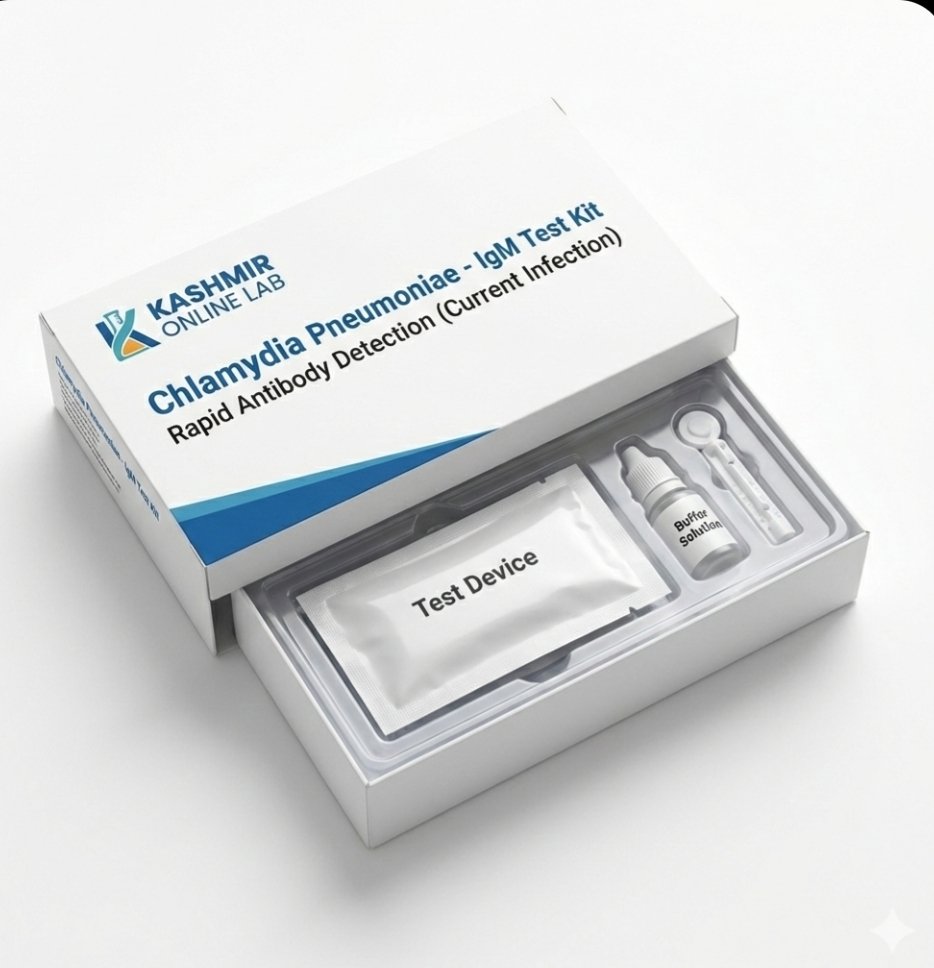
Chlamydia Pneumoniae – IgM Test
The Chlamydia Pneumoniae – IgM test is a specialized serological blood test used to detect IgM (Immunoglobulin M) antibodies against Chlamydia pneumoniae. Unlike the IgG test, this test is specifically designed to identify a current or recent infection.
Test Description
- What it does: It detects IgM antibodies, which are the first antibodies the immune system produces when it encounters the bacteria. These antibodies typically appear within 2 to 3 weeks of the initial infection and fade as the infection resolves.
- Why is it performed? This test is crucial for diagnosing an active case of pneumonia or bronchitis caused by Chlamydia pneumoniae. It helps doctors differentiate this specific bacterial infection from other respiratory illnesses (like the flu or other types of pneumonia) to prescribe the correct antibiotics.
- Clinical Significance:
- Positive IgM: Strongly suggests a current, ongoing acute infection.
- Negative IgM: Suggests no active infection is present (though it may be too early in the illness for antibodies to be detected).
How is it Done?
- A healthcare professional draws a small blood sample from a vein in your arm.
- The sample is processed in the laboratory to measure antibody levels.
- Preparation: No fasting or special preparation is required for this test.
Turnaround Time
- Results are typically provided within 24 to 48 hours, allowing for prompt diagnosis and treatment.