
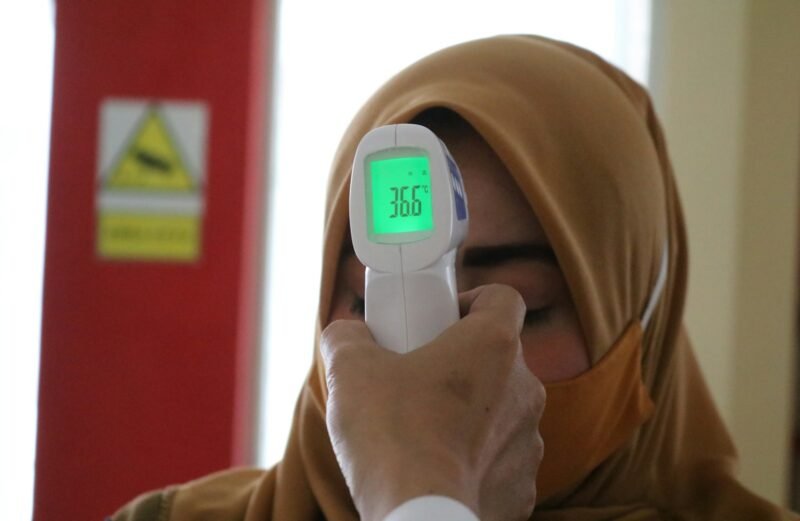
Introduction: When the Thermometer isn’t Enough
One of the most frustrating diagnoses in clinical medicine is “Viral Fever” or “FUO” (Fever of Unknown Origin). Patients frequently present with nonspecific symptoms—high fever, joint pain, night sweats, and fatigue—and often bounce between providers who prescribe broad-spectrum antibiotics or painkillers without a definitive diagnosis.
The reality is that specific pathogens—most notably Brucella, Chikungunya, and Streptococcus—leave distinct biological “fingerprints” in the immune system. Detecting these fingerprints requires specialized serological profiling rather than general blood counts.
Chikungunya: The “Arthritic” Virus
Chikungunya is unique among mosquito-borne illnesses because it is not merely a febrile event; it is a rheumatological event. The virus specifically targets the fibroblasts in the synovial lining of the joints, causing severe inflammation in the wrists, ankles, and knees. The pain is often so intense that patients walk with a characteristic stoop; indeed, the name Chikungunya derives from a Makonde word meaning “to become contorted.”
Chronic Sequelae and the IgG/IgM Distinction A longitudinal study published in 2021 revealed that up to 40% of patients continue to experience measurable joint pain three months or more after the initial infection. This is where the IgG/IgM Quantitative test becomes vital for long-term management.
-
IgM Positive: Indicates the virus is present and active now. The focus is on acute management and hydration.
-
IgG Positive (with negative IgM): Indicates the virus has been cleared, but the immune system remains in a hyper-reactive state, causing Post-Chikungunya Arthritis. This distinction changes the treatment plan entirely, shifting from viral management to anti-inflammatory or steroid therapies to manage the immune response.
Brucellosis: The Chameleon of Diseases
Often referred to as “Malta Fever,” Brucellosis remains a significant health risk in regions where unpasteurized dairy products (raw milk, soft cheese) are consumed or where people work closely with livestock. It is known as the “chameleon” of infectious diseases because it mimics so many other conditions.
-
The Undulant Pattern: Unlike the constant high fever of influenza, Brucella fever typically rises and falls in a wave-like (undulant) pattern over weeks or months.
-
Intracellular Survival: Brucella bacteria are intracellular pathogens, meaning they hide inside the patient’s cells to evade the immune system. This makes them difficult to eradicate and prone to causing chronic, relapsing illness.
-
Neurobrucellosis: New clinical papers highlight that untreated Brucellosis has a high affinity for the central nervous system and the spine (brucellar spondylitis), leading to chronic back pain and neurological deficits.
The Agglutination Trap Diagnosis is tricky because low levels of antibodies can persist in the blood for years after exposure. A simple “positive/negative” test is often insufficient. The Quantitative Agglutination Test (Standard Agglutination Test) uses titration—diluting the blood serum in steps—to measure the exact concentration of antibodies. A rising titer between two samples indicates an active, multiplying infection that requires antibiotics, whereas a static, low titer indicates past exposure that may not need treatment.
The Silent Heartbreaker: ASO and Rheumatic Fever
A sore throat is often dismissed as a minor viral annoyance. However, Group A Streptococcus bacteria possess a protein on their surface that mimics the molecular structure of human heart valves and joint tissues. This is a phenomenon known as Molecular Mimicry.
If the immune system launches a massive attack against the Strep bacteria, it may become “confused” and attack the patient’s own heart valves (Rheumatic Heart Disease) or kidneys (Glomerulonephritis). This autoimmune reaction can occur weeks after the throat infection has cleared.
The ASO Titre Trend The Anti-Streptolysin O (ASO) test measures the antibodies produced against a toxin released by Strep bacteria. However, a single high ASO number is not always diagnostic, as antibody levels vary widely in healthy populations. The clinical gold standard is Serial Titres. Physicians measure the ASO level today and again in 10–14 days.
-
Stable High Titer: Suggests a past infection.
-
Rising Titer: Indicates a recent or ongoing immune event. This rising pattern is the red flag that prompts the use of penicillin prophylaxis to prevent permanent damage to the heart valves.
Conclusion
Fever is a symptom; the cause is the key. Whether it is the joint-destroying Chikungunya virus, the spine-attacking Brucella bacteria, or the heart-damaging Strep immune response, specialized serology tests are the only tool capable of distinguishing these conditions. Precision testing allows doctors to stop treating the temperature and start treating the specific disease.