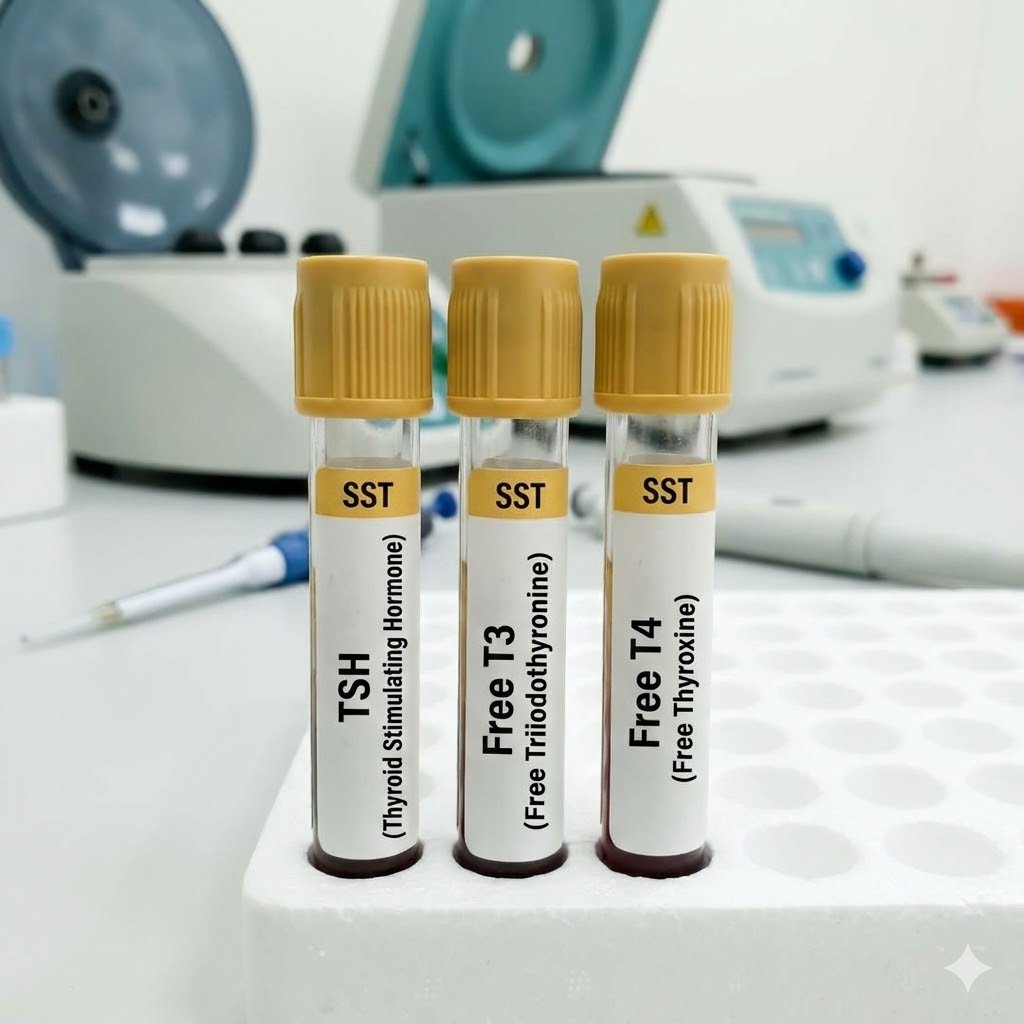
Description
Test Name: Free T3 (Free Triiodothyronine)
The Free T3 Test measures the active form of the thyroid hormone Triiodothyronine. It is primarily used to diagnose Hyperthyroidism (overactive thyroid) and is often ordered when TSH is low but T4 levels remain normal, a condition known as T3 Toxicosis.
Overview: While T4 is the most abundant thyroid hormone, T3 is the strongest. “Free” T3 refers to the tiny percentage (less than 1%) of the hormone that is unattached to proteins and freely circulating in the blood, ready to enter cells and regulate metabolism. This test gives a true picture of the biologically active hormone available to the body.
Clinical Significance:
-
Diagnosing Hyperthyroidism: This is the most sensitive test for detecting an overactive thyroid. In some patients, TSH drops and T3 rises before T4 does.
-
T3 Toxicosis: It helps identify a specific type of hyperthyroidism where only T3 is elevated while T4 remains normal.
-
Hypothyroidism: It is less useful for diagnosing underactive thyroid because T3 is the last hormone to drop; a person can have severe hypothyroidism with a normal T3 level.
When is this test recommended?
-
When TSH is abnormal (low) but Free T4 is normal.
-
To monitor patients currently being treated for hyperthyroidism (e.g., Graves’ disease).
-
If a patient has symptoms of a “racing” metabolism (anxiety, tremors, weight loss) despite normal T4 results.
Sample Requirements:
-
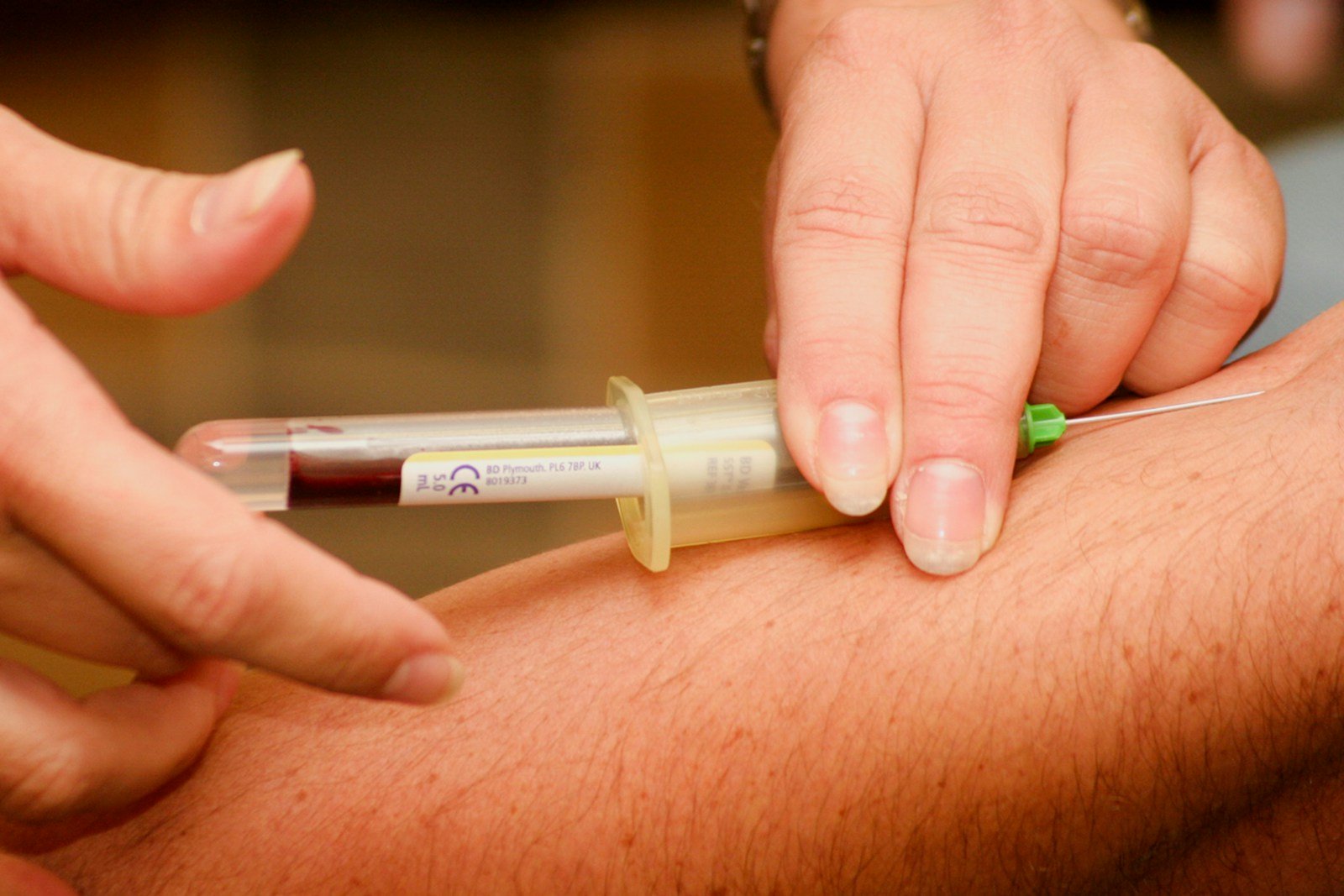
Specimen: Serum (Blood).
-
Container: Gold Top (SST) or Red Top Tube.
-
Preparation: No fasting is required, though some medications (like Biotin supplements) should be paused 72 hours prior.
Test Name: Free T4 (Free Thyroxine)
The Free T4 Test measures the active form of Thyroxine, the main hormone produced by the thyroid gland. It is the gold standard follow-up test to TSH for diagnosing both Hypothyroidism (underactive) and Hyperthyroidism (overactive).
Overview: Thyroxine (T4) constitutes about 90% of the thyroid hormones in your blood. However, most of it is “bound” to proteins and inactive. This test specifically measures “Free T4″—the unbound portion that is actually available for your body to use. Because it ignores protein-bound hormones, it is more accurate than “Total T4,” especially in pregnant women or those on birth control pills.
Clinical Significance:
-
Confirmation of Diagnosis:
-
High TSH + Low Free T4 = Confirmed Hypothyroidism (Underactive).
-
Low TSH + High Free T4 = Confirmed Hyperthyroidism (Overactive).
-
-
Monitoring Treatment: It is the primary marker used to adjust the dosage of thyroid replacement medication (like Levothyroxine).
-
Congenital Screening: It is critical for screening newborns, as low T4 can affect brain development.
When is this test recommended?
-
Automatically ordered as a “reflex” test if the initial TSH result is abnormal.
-
For patients with goiter (enlarged thyroid) or thyroid nodules.
-
To monitor pregnant women with thyroid conditions, as protein levels change drastically during pregnancy.
Sample Requirements:
-
Specimen: Serum (Blood).
-
Container: Gold Top (SST) or Red Top Tube.
-
Preparation: No fasting is required. If taking thyroid medication, blood should typically be drawn before taking the daily dose.