Description
Overview: “Acid Fast” refers to the specific staining characteristic of Mycobacterium tuberculosis (the bacteria that causes TB). Once the bacteria have been grown (cultured) from a patient’s sample, this test exposes them to ten different antibiotics to see which ones stop their growth. The BACTEC MGIT (Mycobacteria Growth Indicator Tube) system is an automated, liquid-based method that provides results much faster than traditional solid media methods.
The Panel typically includes:
-
First-Line Drugs: Streptomycin, Isoniazid, Rifampicin, Ethambutol (SIRE).
-
Second-Line Drugs: Drugs like Kanamycin, Amikacin, Capreomycin, Ofloxacin/Levofloxacin, Ethionamide, etc. (Used when resistance to first-line drugs is suspected).
Clinical Significance:
-
Guiding Treatment: TB treatment requires a combination of antibiotics for several months. If the bacteria are resistant to one or more drugs, the standard treatment will fail. This test allows doctors to create a customized, effective drug regimen.
-
Diagnosing MDR-TB: It is the primary tool for diagnosing Multi-Drug Resistant (MDR) and Extensively Drug-Resistant (XDR) Tuberculosis.
-
Monitoring relapse: Used for patients who are not improving despite treatment.
When is this test recommended?
-
For patients with a confirmed positive TB culture.
-
For patients at high risk of drug-resistant TB (e.g., previous TB treatment, contact with MDR-TB patients).
-
When a patient fails to respond to standard TB medication.
Sample Requirements:
-
Specimen: This test is usually performed on a Positive Culture Isolate (bacteria already grown in the lab). However, the initial collection for culture is typically Sputum, Bronchial Wash, or Body Fluids.
-
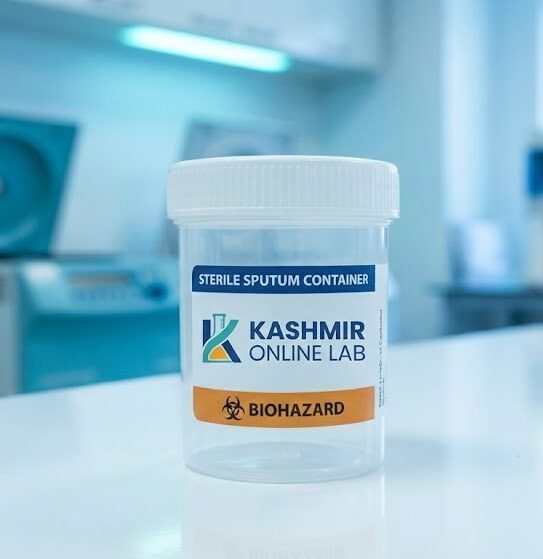
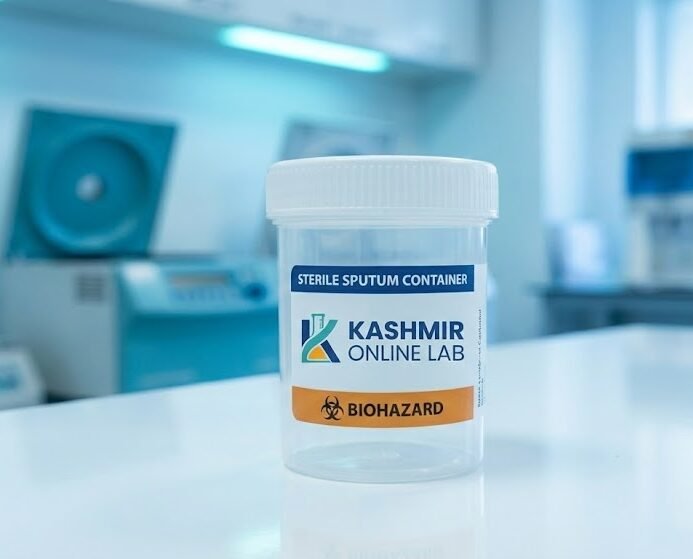
Container: Sterile, wide-mouth, leak-proof container (for sputum) or a specific Liquid Culture Tube (MGIT) if transferring an isolate.
-
Preparation: For sputum collection, an early morning sample (deep cough) is best.