Description
The Anti-IA-2 Antibody Test helps diagnose Type 1 Diabetes. It detects antibodies that attack the insulin-producing cells in the pancreas. This test is crucial for distinguishing between Type 1 (autoimmune) and Type 2 diabetes, especially in children and young adults.
Overview: Insulinoma-Associated-2 (IA-2) is a protein found in the beta cells of the pancreas—the cells responsible for making insulin. In Type 1 Diabetes, the body’s immune system mistakenly identifies these proteins as foreign and produces antibodies (Anti-IA-2) to destroy them. Detecting these antibodies confirms that the diabetes is caused by an autoimmune reaction.
Clinical Significance:
-
Diagnosing Type 1 Diabetes: Anti-IA-2 is one of the most specific markers for Type 1 Diabetes. It is present in about 60-70% of newly diagnosed patients.
-
Differentiating Types: It helps doctors determine if a patient has Type 1 Diabetes (requires insulin immediately) or Type 2 Diabetes (often managed with lifestyle/pills), which is critical for choosing the right treatment.
-
Predictive Screening: In people with a family history of Type 1 Diabetes, the presence of these antibodies can predict the risk of developing the disease years before symptoms appear.
-
LADA (Latent Autoimmune Diabetes in Adults): It helps identify adults who are misdiagnosed with Type 2 diabetes but actually have a slow-progressing form of autoimmune diabetes.
When is this test recommended?
-
When a child or young adult is diagnosed with diabetes, to confirm the type.
-
If an adult diabetic is not responding to standard oral medications (suspected LADA).
-
For screening siblings or close relatives of Type 1 Diabetics to assess their risk.
-
It is often ordered as part of a panel alongside GAD65 and Insulin Autoantibodies (IAA).
Sample Requirements:
-
Specimen: Serum (Blood).
-
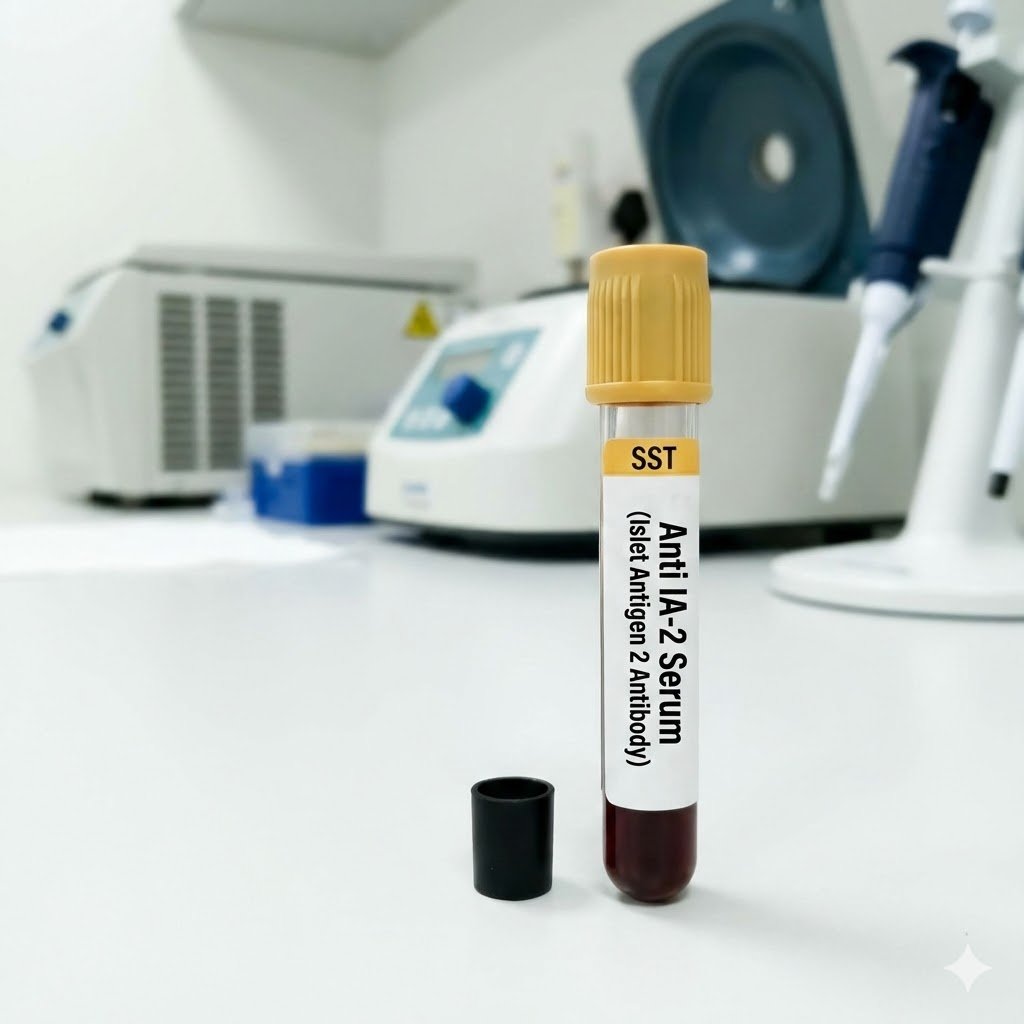
Container: Gold Top (SST) or Red Top Tube.
-
Preparation: No special preparation or fasting is required.