Description
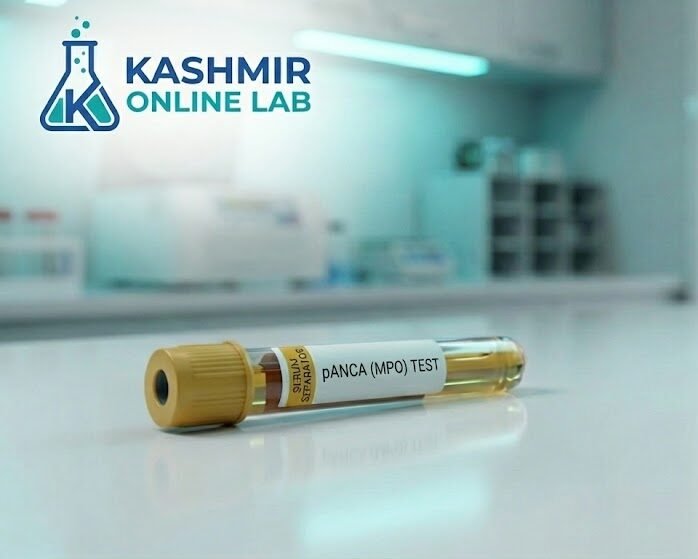
Overview: Anti-Neutrophil Cytoplasmic Antibodies (ANCA) are autoantibodies that mistakenly attack proteins within your own neutrophils (a type of white blood cell). This test specifically looks for the pANCA pattern, which targets the myeloperoxidase (MPO) enzyme. The presence of these antibodies can cause neutrophils to attack and inflame small blood vessels.
Clinical Significance: This test is a critical tool for diagnosing ANCA-associated vasculitis, a group of diseases characterized by blood vessel inflammation.
-
Microscopic Polyangiitis (MPA): A positive pANCA (MPO) is a hallmark of this condition, which affects small blood vessels, particularly in the kidneys and lungs.
-
Eosinophilic Granulomatosis with Polyangiitis (EGPA): Formerly known as Churg-Strauss syndrome, this condition is also often associated with a positive pANCA (MPO) result.
-
Differential Diagnosis: This test helps doctors distinguish between different types of vasculitis (e.g., distinguishing MPA from Granulomatosis with Polyangiitis, which is more commonly associated with cANCA/PR3).
When is this test recommended?
-
To investigate unexplained symptoms that suggest systemic vasculitis, such as:
-
Kidney problems (e.g., blood or protein in the urine, elevated creatinine).
-
Lung issues (e.g., coughing up blood, shortness of breath, lung nodules).
-
Persistent sinusitis or nosebleeds.
-
Nerve damage (e.g., numbness, tingling, muscle weakness).
-
Skin rashes or sores.
-
Sample Requirements:
-
Specimen: Serum.
-
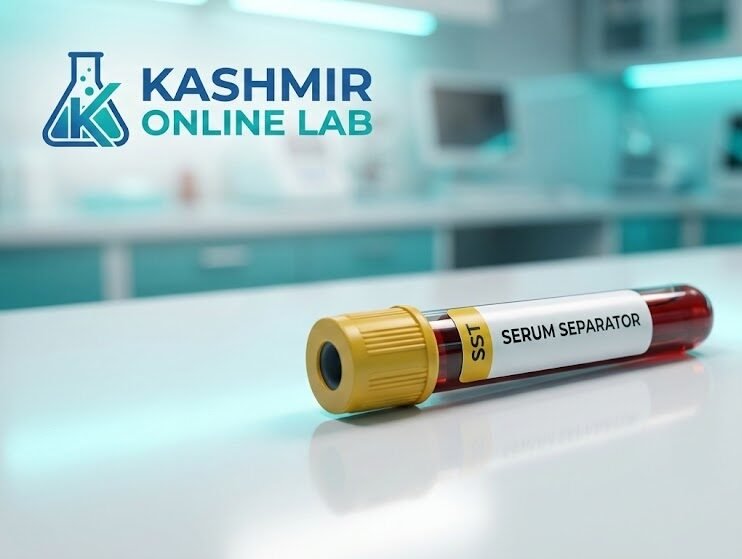
Container: Gold Top (SST) or Red Top Tube.
-
Preparation: No fasting is typically required.