Description
Overview
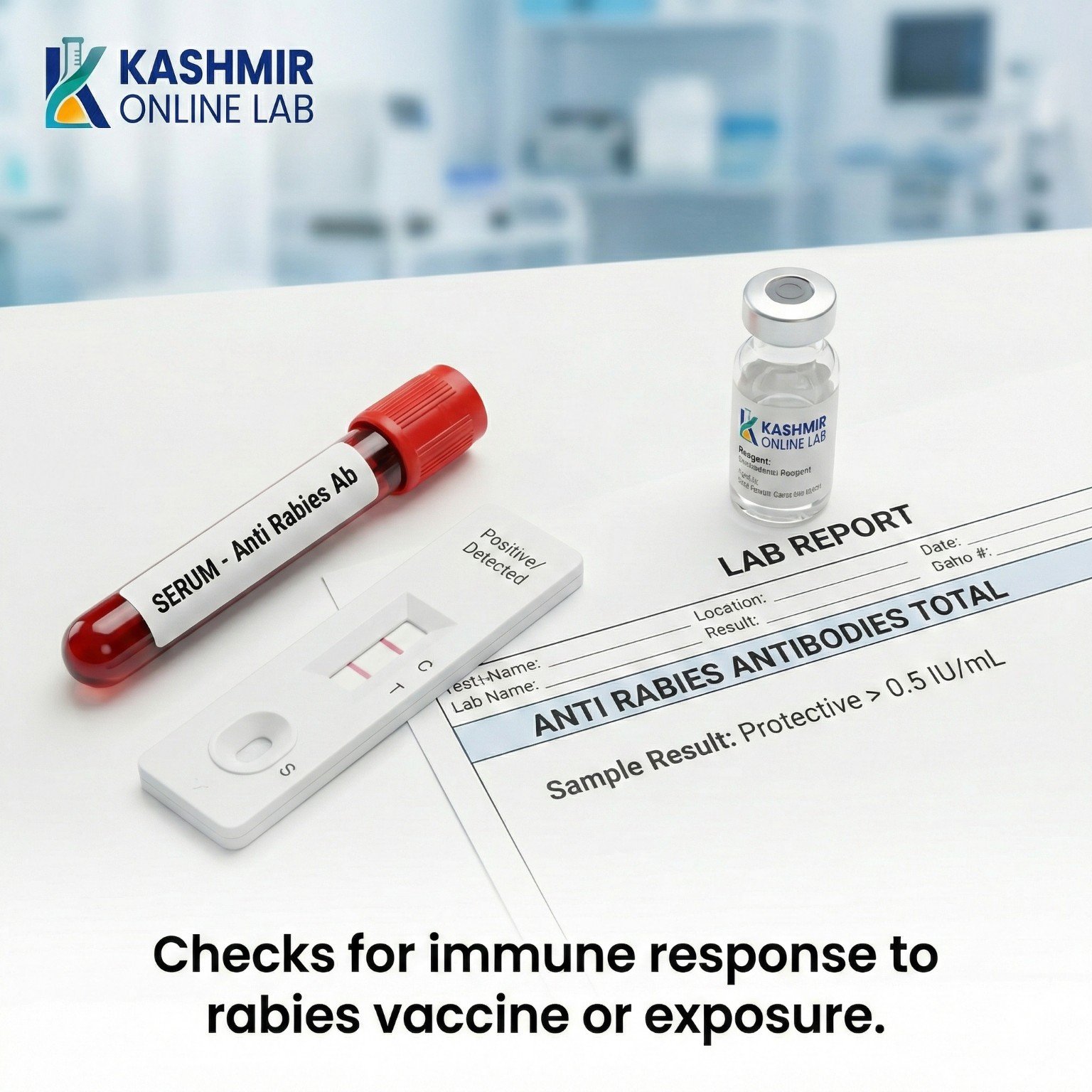
The Anti-Rabies Antibodies Total Test measures the concentration of antibodies (IgG and IgM) produced by your immune system in response to the Rabies vaccine. This test is the standard method for verifying “seroconversion,” which confirms that the vaccination was successful and that the individual has developed adequate protection against the virus.
Why is this test performed?
This test is essential for high-risk groups and specific medical situations:
- Post-Vaccination Check: To confirm immunity after completing the full course of anti-rabies vaccination.
- Occupational Safety: Recommended for veterinarians, animal handlers, lab workers, and wildlife professionals who are at higher risk of exposure.
- Travel Requirements: Often required for travelers visiting regions with a high prevalence of rabies.
- Re-exposure Assessment: To determine if a booster dose is required after a potential exposure.
Understanding Your Results
Results are typically reported in International Units per milliliter (IU/mL).
- Protective Level: According to WHO guidelines, an antibody titer level of > 0.5 IU/mL is generally considered adequate protection.
- Non-Protective Level: A level below 0.5 IU/mL may indicate the need for a booster vaccination dose.
Patient Preparation
- Fasting: No fasting is required. You can eat and drink as normal before this test.
- Medications: Routine medications usually do not interfere, but please inform the lab technician of any immunosuppressive drugs you are taking.
How is the sample collected?
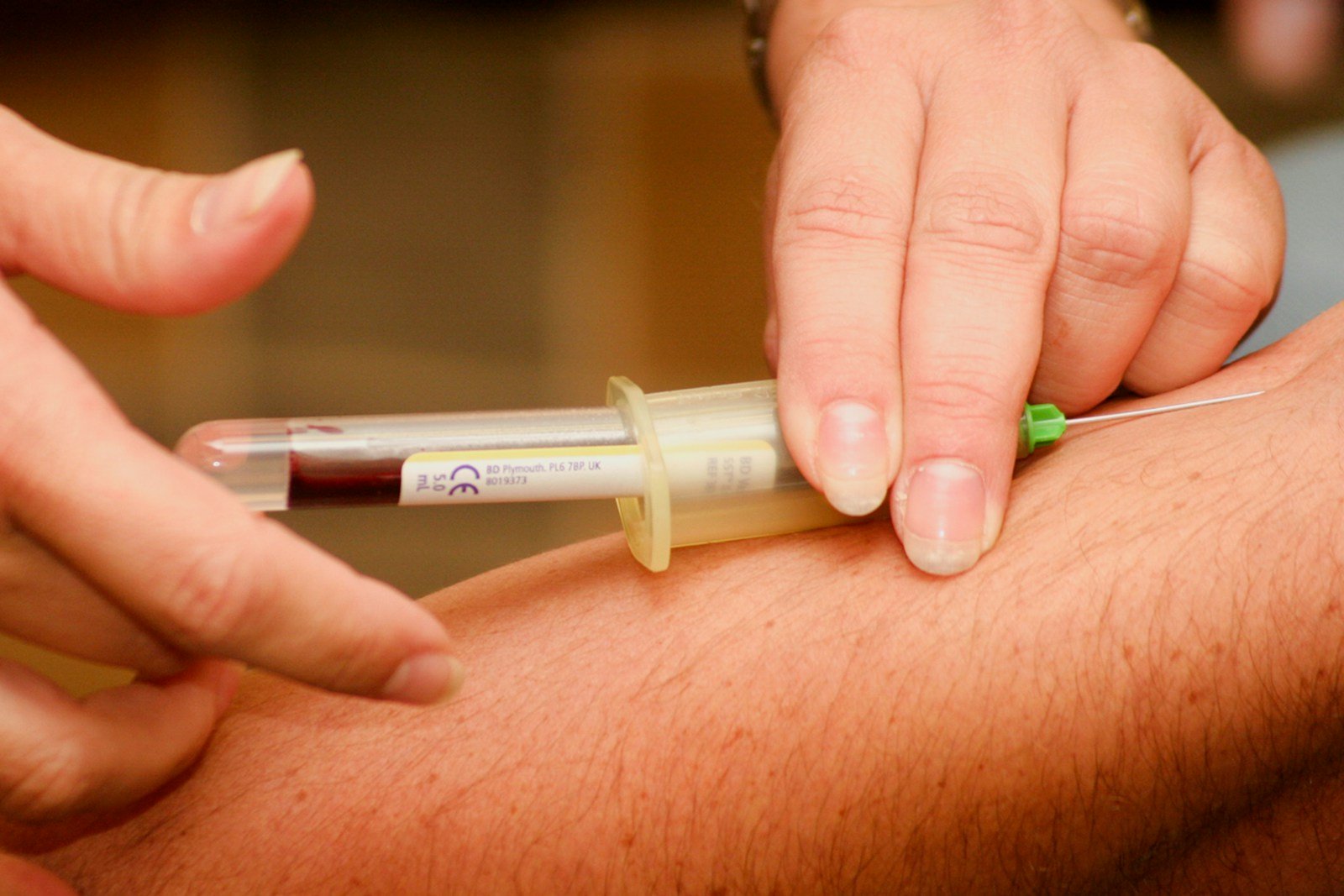
A simple blood draw is performed.
A tourniquet is applied to the upper arm.
A small needle is used to draw a blood sample from a vein in your arm.
The sample is collected in a standard serum tube (Yellow or Red top).