Description
Anti-GT1a Antibody (Ganglioside GT1a)
Overview: Gangliosides are molecules found on the surface of nerve cells. Sometimes, the immune system mistakenly attacks these molecules, causing nerve damage. Anti-GT1a antibodies are a specific type of autoantibody that targets the nerves controlling the muscles of the head, neck, and upper body. This test is often performed as part of a comprehensive “Ganglioside Antibody Panel” alongside Anti-GQ1b and Anti-GM1.
Clinical Significance:
-
Guillain-Barré Syndrome (GBS) Variants: A positive result is a strong marker for the Pharyngeal-Cervical-Brachial (PCB) variant of GBS. Patients with this variant typically experience difficulty swallowing (dysphagia), neck weakness, and arm weakness, often without the leg weakness seen in typical GBS.
-
Miller Fisher Syndrome: While Anti-GQ1b is the primary marker for Miller Fisher Syndrome, Anti-GT1a can also be present, often indicating a more severe overlap syndrome (Bickerstaff Brainstem Encephalitis).
-
Bulbar Palsy: It helps investigate unexplained bulbar palsy (weakness of the face and throat muscles).
When is this test recommended?
-
When a patient presents with sudden weakness in the neck, arms, and throat.
-
To distinguish between different types of neuropathy (nerve damage).
-
If a patient has difficulty swallowing or speaking that developed rapidly after a viral infection.
Sample Requirements:
-
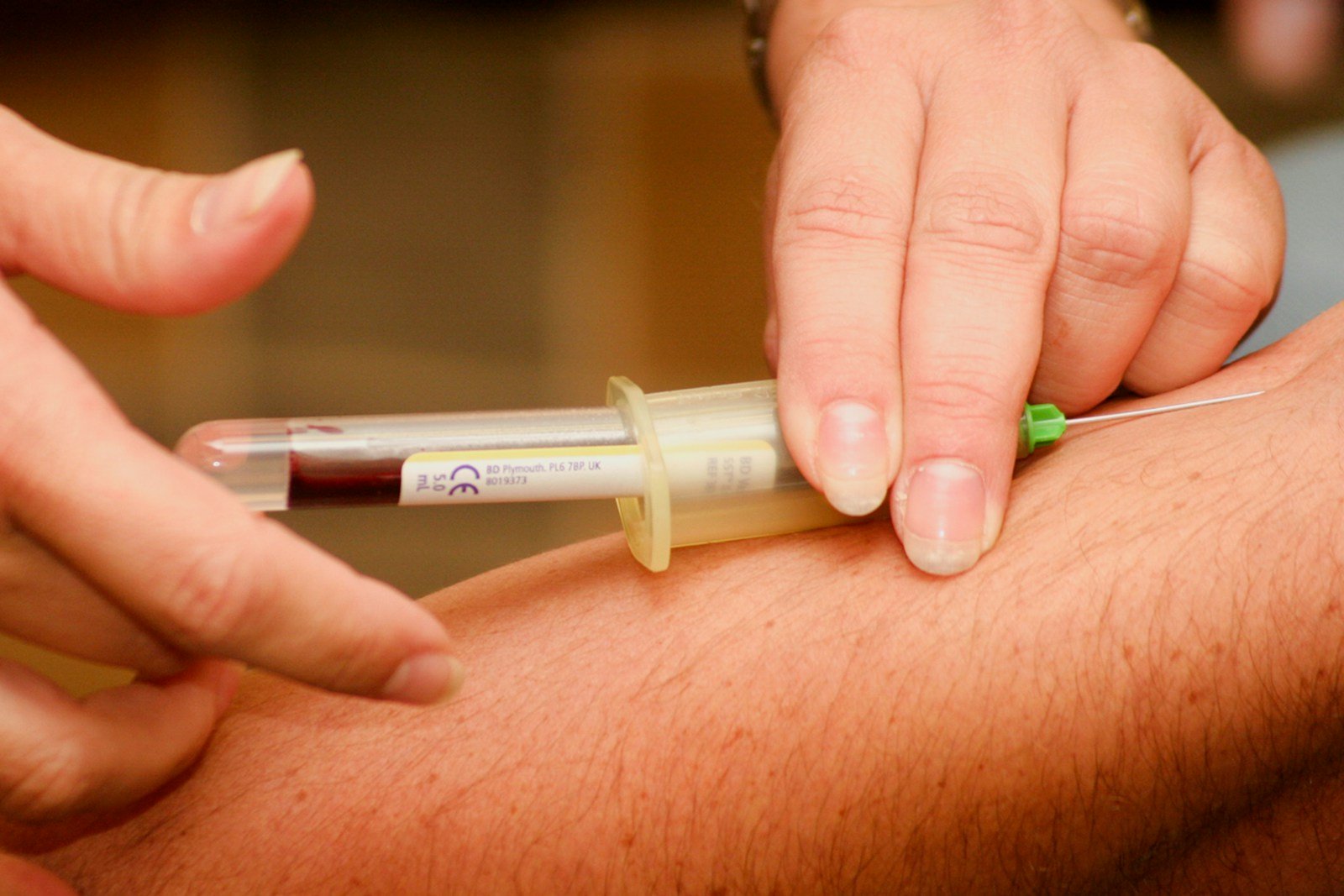
Specimen: Serum (Blood).
-
Container: Gold Top (SST) or Red Top Tube.
-
Preparation: No special preparation or fasting is required.