
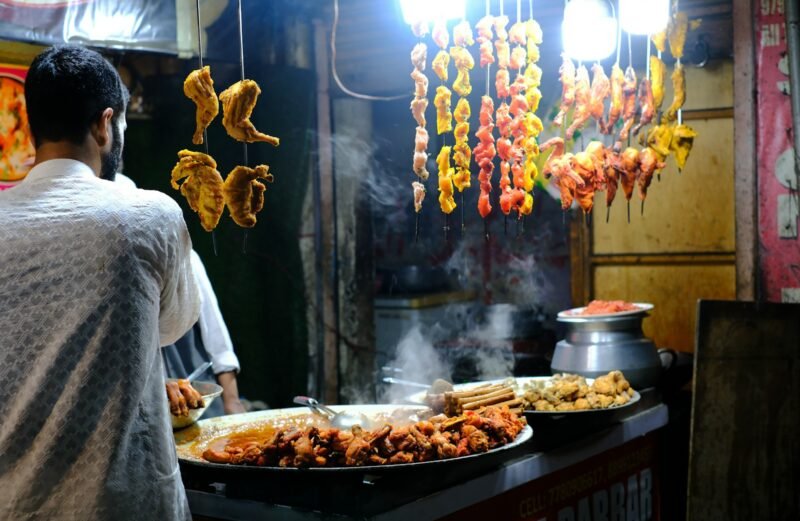
We love our culture, our hospitality, and undeniably, our food. But as times change, how do we ensure our hearts are strong enough to enjoy many more winters in the Valley?
If there is one thing that defines Kashmiri hospitality, it is the warmth of our welcome, usually served alongside an overflowing plate of exquisite food. The aroma of saffron-infused rice, the rich, velvety texture of Rogan Josh, the comforting bite of Gushtaba—these aren’t just meals; they are emotion, tradition, and history on a platter.
In Kashmir, food is our love language. A wedding isn’t complete without the full grandeur of the Wazwan. A simple visit to a relative feels incomplete without tea and rich bakery items. We celebrate with food, we mourn with food, and we survive our harsh winters with food.
At Kashmir Online Lab, we believe that celebrating our culture and prioritizing our health shouldn’t be separate goals. They must go hand-in-hand.
Today, we need to have an honest, gentle conversation about the heart of Kashmir—literally. We are seeing a worrying trend of heart issues rising in the Valley, often in younger people. The combination of our traditionally rich diet and modern lifestyle shifts is creating a silent health challenge that we can no longer ignore.
The Kashmiri Paradox: Delicious Traditions vs. Modern Realities
Our traditional cuisine was designed for a different era. Our ancestors worked physically demanding lives in the fields and lived through winters without central heating. The high-calorie, meat-heavy, oil-rich diet provided necessary fuel and warmth.
Today, our lives have changed dramatically. Technology has made us sedentary. We drive cars instead of walking; our jobs are often desk-bound. Yet, our diet remains largely the same.
Furthermore, the legendary Kashmiri winter—Chilai Kalan—naturally forces us indoors. Physical activity drops, and the craving for comforting, heavy foods increases. This combination of high-fat intake and low physical output spells trouble for our cardiovascular systems.
We aren’t suggesting you give up the food that makes you Kashmiri. We are suggesting we learn how to manage it better.
Demystifying Cholesterol: The Good, The Bad, and The Clotted
When doctors talk about heart health in relation to diet, the conversation inevitably turns to Cholesterol—a waxy substance found in your blood. Your body needs some cholesterol to build healthy cells, but high levels of the wrong kind increase your risk of heart disease.
Think of your arteries as the plumbing system of your house. For the water (blood) to flow freely, the pipes need to be clear.
When you get a Lipid Profile Test, you’ll see a few key numbers. Here is the simplest way to understand them:
1. LDL (Low-Density Lipoprotein) – “The Bad Guy”
Think of LDL as the sticky sludge that builds up inside your kitchen drain. If you have too much LDL cholesterol in your blood, it slowly sticks to the walls of your arteries. Over time, this buildup (plaque) narrows the arteries and makes them less flexible. If a clot forms and blocks a narrowed artery leading to your heart or brain, it causes a heart attack or stroke.
- Goal: Keep this number LOW.
2. HDL (High-Density Lipoprotein) – “The Good Guy”
Think of HDL as the drain cleaner. It cruises through your bloodstream, picking up the excess “bad” cholesterol and taking it back to your liver to be flushed out of your body. High levels of HDL protect against heart attacks.
- Goal: Keep this number HIGH.
3. Triglycerides
This is the most common type of fat in your body. When you eat more calories than you burn—especially from sugary foods, refined white rice, and bakery items—your body converts them into triglycerides and stores them in fat cells. High triglycerides often accompany low HDL (good) cholesterol and high LDL (bad) cholesterol.
The Wake-Up Call: Why Your 30s and 40s Matter
There is a dangerous misconception in the Valley that heart problems are for the elderly. This is no longer true.
We are increasingly seeing people in their late 30s and 40s suffering from hypertension and high cholesterol. Why? Because lifestyle diseases take years to develop. The rich food eaten in your 20s and the sedentary winters of your 30s start showing their effects in your 40s.
The scariest part about high cholesterol is that it has absolutely no symptoms. You cannot feel your arteries narrowing. You won’t feel sick until the damage is significant.
This is why waiting until you “feel unwell” is a risky strategy. If you are over 30, especially if you have a family history of heart issues or enjoy a traditional Kashmiri diet regularly, an annual Lipid Profile is essential. It’s not a test to fear; it’s your yearly status report that puts you in control.
Small Lifestyle Tweaks for a Healthier Heart in the Valley
We don’t expect anyone to stop eating Wazwan. That’s unrealistic and frankly, sad. But we can adopt a mindset of moderation and movement.
Here are small, practical changes tailored for life in Kashmir:
1. The “Wazwan Strategy”
When attending a function, enjoy the feast, but be tactical. Focus on the proteins. Go easy on the rich gravies that are laden with oil. Perhaps skip the second helping of white rice. Enjoy the flavor, but stop before you feel overly full.
2. Rethink Daily Cooking
Save the pure ghee and heavy fats for special occasions. For daily cooking of vegetables and curries, switch to heart-healthier oils like mustard oil (used moderately) or olive oil. Ensure your daily meals include plenty of our wonderful local greens (like Haak) which are packed with fiber that helps lower cholesterol.
3. Winter Movement Solutions
When it’s freezing outside, don’t use it as an excuse to remain immobile on the sofa. If you have stairs in your house, walk up and down them for 15 minutes. Do stretching or basic bodyweight exercises indoors. Any movement is better than none to keep your metabolism going during winter.
4. The Bakery Trap
Kashmiri bakery culture is fantastic, but the daily consumption of buttery biscuits, cakes, and sweet breads with our noon chai adds a significant amount of hidden trans fats and sugar. Try to limit these to treats rather than daily staples.
Conclusion: Loving Ourselves Enough to Change
Preventive health isn’t about erasing our culture; it’s about preserving ourselves so we can enjoy that culture for longer. We want to be healthy enough to dance at our grandchildren’s weddings and strong enough to enjoy many more family feasts.
Your heart works tirelessly for you. It’s time to return the favor.
Don’t guess about your heart health. If you are over 30, book your comprehensive Lipid Profile test with Kashmir Online Lab today. Our home collection service makes it easy, comfortable, and private to take that first step towards a healthier future.