Hepatitis A: Comprehensive Overview
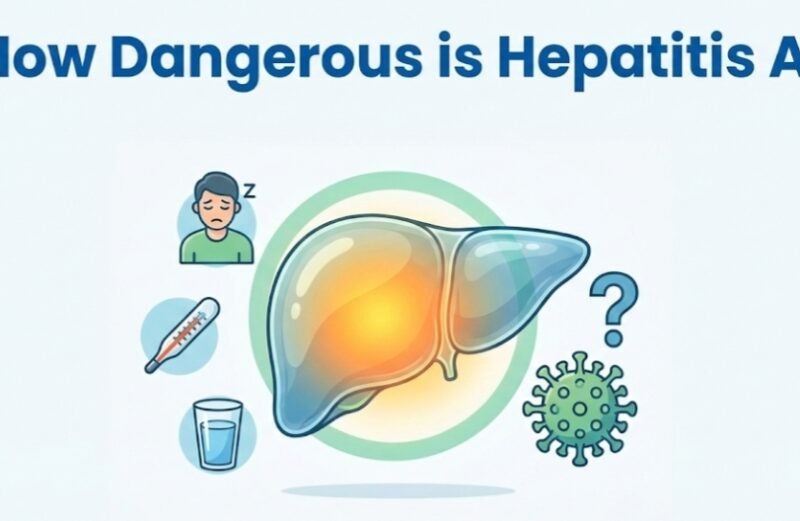
Hepatitis A is a highly contagious liver infection caused by the hepatitis A virus (HAV). It causes inflammation that affects the liver’s ability to function. Unlike hepatitis B and C, it is an acute (short-term) infection and does not typically lead to chronic liver disease.
1. Symptoms
Symptoms typically appear 2 to 6 weeks after exposure. However, many people (especially children under 6) may have no symptoms at all.
Jaundice: Yellowing of the skin and whites of the eyes.
Digestive Issues: Nausea, vomiting, loss of appetite, and abdominal pain (especially on the upper right side).
Excretory Changes: Dark (“cola-colored”) urine and pale or clay-colored stools.
Flu-like Signs: Fever, severe fatigue, and joint pain.
2. Transmission (How it Spreads)
Hepatitis A spreads through the fecal-oral route. This happens when someone ingests the virus from contact with objects, food, or drinks contaminated by microscopic amounts of feces from an infected person.
Contaminated Food/Water: Eating raw fruits/vegetables washed in dirty water, or undercooked shellfish.
Person-to-Person: Close contact with an infected person (caring for them, sexual contact) or poor hand hygiene.
3. Diagnosis
A doctor will order a blood test to check for specific antibodies:
IgM Anti-HAV: Positive = Active, acute infection.
IgG Anti-HAV: Positive = Past infection or vaccination (you are immune).
4. Treatment & Recovery
There is no specific treatment for Hepatitis A. The body clears the virus on its own.
Supportive Care: Rest, hydration, and avoiding alcohol/medications that harm the liver (like acetaminophen/paracetamol).
Timeline: Most people recover completely within a few weeks to a few months without permanent liver damage.
5. Prevention
- Vaccination: The most effective protection. It is recommended for children, travelers, and those with liver issues.
- Hygiene: Wash hands thoroughly with soap and water (sanitizer is not enough).
- Post-Exposure: If exposed, getting the vaccine or immune globulin within 2 weeks can prevent illness.
Comparison of Hepatitis Types (A, B, C, D, E)
The following table compares Hepatitis A to the other major viral forms of hepatitis:
| Feature | Hepatitis A | Hepatitis B | Hepatitis C | Hepatitis D | Hepatitis E |
| Transmission | Fecal-Oral (Food/Water) | Blood/Body Fluids (Sex, birth, needles) | Blood (Needles, rarely sex/birth) | Blood/Body Fluids (Requires Hep B) | Fecal-Oral (Contaminated water) |
| Chronic? | No (Acute only) | Yes (Can be chronic) | Yes (Usually chronic) | Yes (Can be chronic) | No (Acute only) |
| Vaccine? | Yes (Highly effective) | Yes (Highly effective) | No | Yes (Hep B vaccine protects against Hep D) | Yes (Available in limited countries) |
| Severity | Mild to Moderate; rarely fatal. | Mild to serious liver damage (cirrhosis/cancer). | Often no symptoms initially; leading cause of liver transplants. | Most severe form; fast progression. | Mild; dangerous for pregnant women. |
| Treatment | Supportive Care | Antivirals (if chronic) | Direct-acting antivirals (Cure rate >95%) | Interferons (difficult to treat) | Supportive Care |
Summary of Key Differences:
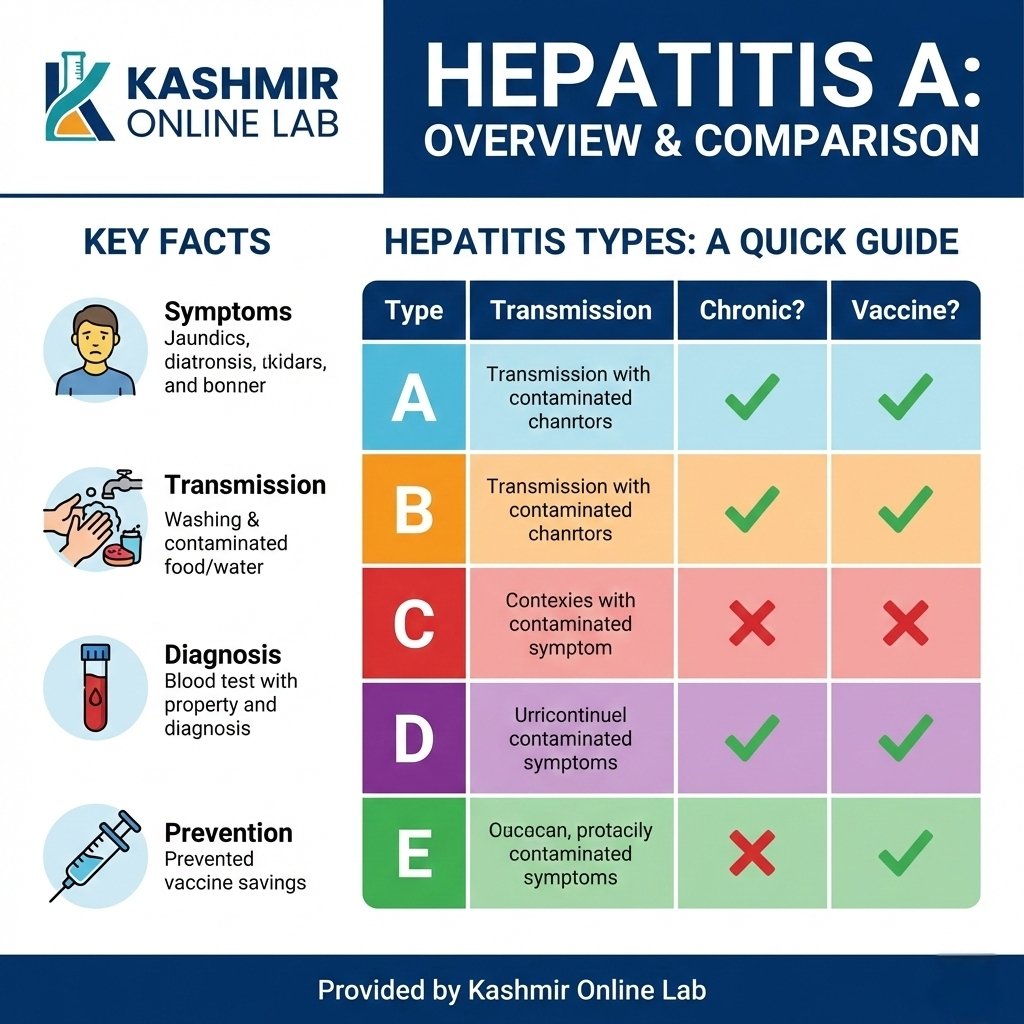
A & E are similar: Both are typically spread through food/water (fecal-oral) and usually do not cause chronic disease.
B, C, & D are similar: All are blood-borne and can cause long-term (chronic) liver damage, cirrhosis, and liver cancer.
The “Vowel” Rule: Hepatitis types that start with a vowel (A and E) primarily affect the bowel (fecal-oral transmission)
Communicable?
If you are living with someone who has Hepatitis A, the risk of transmission is high because the virus spreads easily through microscopic amounts of fecal matter.
The most critical window for action is within 2 weeks of your first exposure to the infected person.
1. Immediate Medical Action: The “PEP” Shot
If you have never been vaccinated against Hepatitis A, you should see a doctor immediately (ideally within 2 weeks of exposure) to receive Post-Exposure Prophylaxis (PEP). This can prevent you from getting sick even after you’ve been exposed.
- Healthy people (12 months – 40 years): Usually receive one dose of the Hepatitis A vaccine.
- Infants (<12 months), Adults >40, and Immunocompromised: May receive Immune Globulin (IG), an injection of antibodies that provides instant, short-term protection.
- Note: If you have already received the two-dose vaccine series in the past, you are likely immune and do not need treatment, but you should confirm with your doctor.
2. Strict Hygiene Rules
- Handwashing is Non-Negotiable: You must wash your hands vigorously with soap and warm water for at least 20 seconds after using the toilet, changing diapers, or before eating.
- Crucial Warning: Alcohol-based hand sanitizers do not effectively kill the Hepatitis A virus. You must use soap and water.
- Separate Personal Items: Do not share towels, toothbrushes, eating utensils, or drinking glasses with the infected person.
- Bathroom Use: If possible, the infected person should use a separate bathroom. If you must share, the toilet seat, handle, and sink taps should be disinfected after every use.
3. Food & Kitchen Safety
- “Kitchen Ban”: The infected person must not prepare food or drinks for anyone else until they are no longer contagious (typically at least 1 week after jaundice appears).
- Wash Produce: Thoroughly wash all fruits and vegetables, and if possible, peel them yourself.
- Utensils: Wash all dishes and cutlery in a dishwasher (high heat) or widely employed hot soapy water.
4. Cleaning & Disinfection (The Bleach Rule)
Standard household cleaners often do not kill this virus. It is extremely hardy.
- Use Bleach: To disinfect surfaces (toilets, doorknobs, light switches), use a chlorine bleach solution.
- Ratio: Mix 1 part bleach to 99 parts water (approx. 1:100) for general cleaning.
- For Vomit/Feces: Use a stronger solution (1 part bleach to 49 parts water, or approx. 1.5 cups bleach per gallon of water).
- Contact Time: Leave the bleach solution on the surface for at least 1 minute before rinsing with water.
5. Laundry Precautions
- Handling: Handle soiled clothing or linens (especially if stained with vomit or feces) as little as possible to avoid shaking virus particles into the air.
- Washing: Wash bedding, towels, and clothes in the hottest water setting available and dry them on high heat.
6. Intimacy
- No Sexual Contact: Avoid all sexual activity (especially oral-anal contact) with the infected person until a doctor confirms they are no longer contagious, as condoms alone may not fully prevent transmission due to the fecal-oral nature of the virus.
Interpreting Results:
| Test Component | Result | Interpretation |
| IgM Anti-HAV | Positive (+) | Acute Infection: You currently have Hepatitis A. |
| IgM Anti-HAV | Negative (-) | You do not have a current active infection. |
| IgG Anti-HAV (or Total) | Positive (+) | Immune: You are protected due to past infection or vaccination. |
| IgG Anti-HAV (or Total) | Negative (-) | Susceptible: You have no immunity and should consider vaccination. |