Description
Overview: Urea is the primary waste product formed in the liver when your body breaks down proteins (nitrogen). The kidneys then filter this urea out of the blood and into the urine. By collecting urine for a full 24 hours, this test provides a precise measurement of protein metabolism and kidney filtration ability.
Clinical Significance:
-
Kidney Function: Low levels of urea in the urine may indicate that the kidneys are not filtering properly (renal insufficiency) or that there is low blood flow to the kidneys.
-
Protein Balance (Nitrogen Balance):
-
High Levels: Suggest high protein intake, increased breakdown of body protein (catabolism) due to fever, trauma, or burns.
-
Low Levels: Suggest low protein intake, malnutrition, or severe liver disease (where the liver can’t make urea).
-
-
Nutritional Monitoring: It is often used for critically ill patients or athletes to ensure they are consuming enough protein to maintain muscle mass vs. how much they are burning.
When is this test recommended?
-
To evaluate kidney failure or monitor patients on dialysis.
-
To assess protein intake and absorption in patients with malnutrition or those on specialized diets.
-
To check for protein breakdown (catabolism) during severe illness.
Sample Requirements:
-
Specimen: 24-Hour Urine Collection.
-
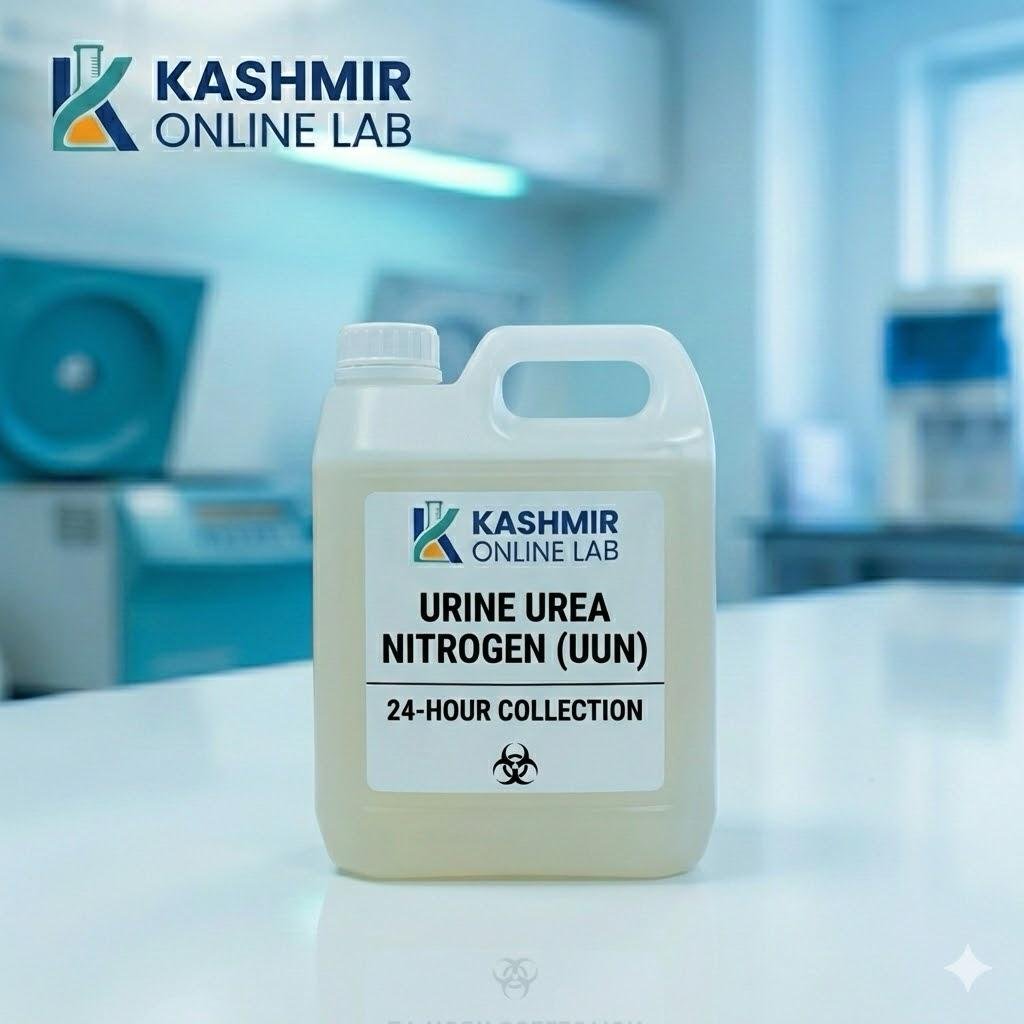
Container: Large 24-Hour Urine Container (usually a 2-3 liter plastic jug/can provided by the lab).
-
Collection Instructions:
-
Start: Empty your bladder into the toilet immediately upon waking up (do not save this). Note the time (e.g., 8:00 AM).
-
Collect: For the next 24 hours, collect all urine into the container.
-
Finish: Collect the first urine of the next morning at the exact same time (e.g., 8:00 AM) and add it to the container.
-
-
Storage: Keep the container cool (refrigerated or in a cool place) during the collection period.