Description
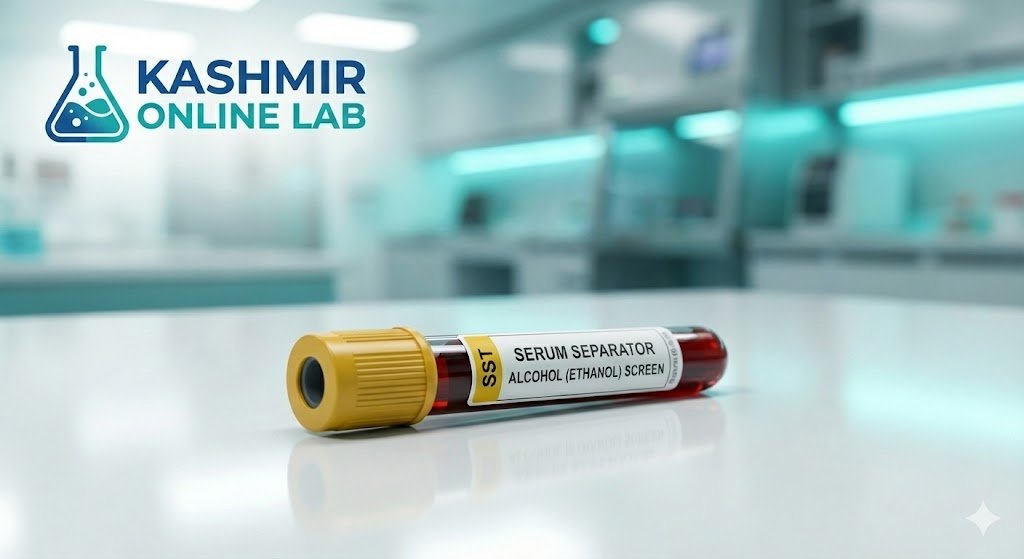
Overview: This test measures the concentration of ethanol in the serum component of the blood. Unlike breath or urine tests, a blood test provides a highly accurate snapshot of the current level of intoxication.
Clinical Significance:
-
Medical Emergencies: It is a vital test for patients arriving at the ER with confusion, coma, or trauma to determine if alcohol is the cause.
-
Treatment Monitoring: Helps doctors determine if a patient has reached a dangerous or lethal level of alcohol poisoning (overdose) requiring dialysis or other interventions.
-
Differentiating Causes: Helps rule out other causes of altered behavior, such as diabetic coma, stroke, or other drug overdoses.
When is this test recommended?
-
When a patient shows signs of intoxication (slurred speech, unsteady walk, confusion).
-
To assess patients in a coma or with severe vomiting of unknown origin.
-
As part of a standard workup for trauma/accident patients.
-
To monitor compliance in alcohol addiction treatment programs.
Sample Requirements:
-
Specimen: Serum.
-
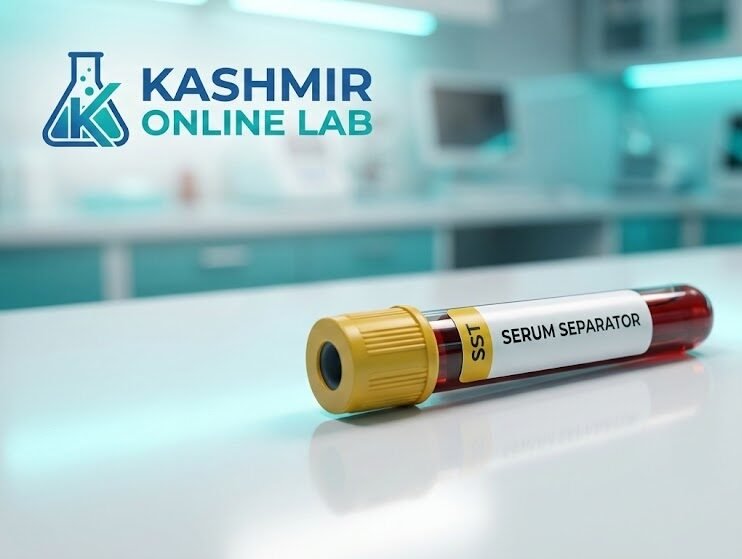
Container: Gold Top (SST) or Red Top Tube.
-
Critical Collection Note: The phlebotomist MUST NOT use an alcohol swab to clean the arm before drawing blood, as this can cause a false positive result. A non-alcoholic disinfectant (like Betadine or iodine) must be used.