Description
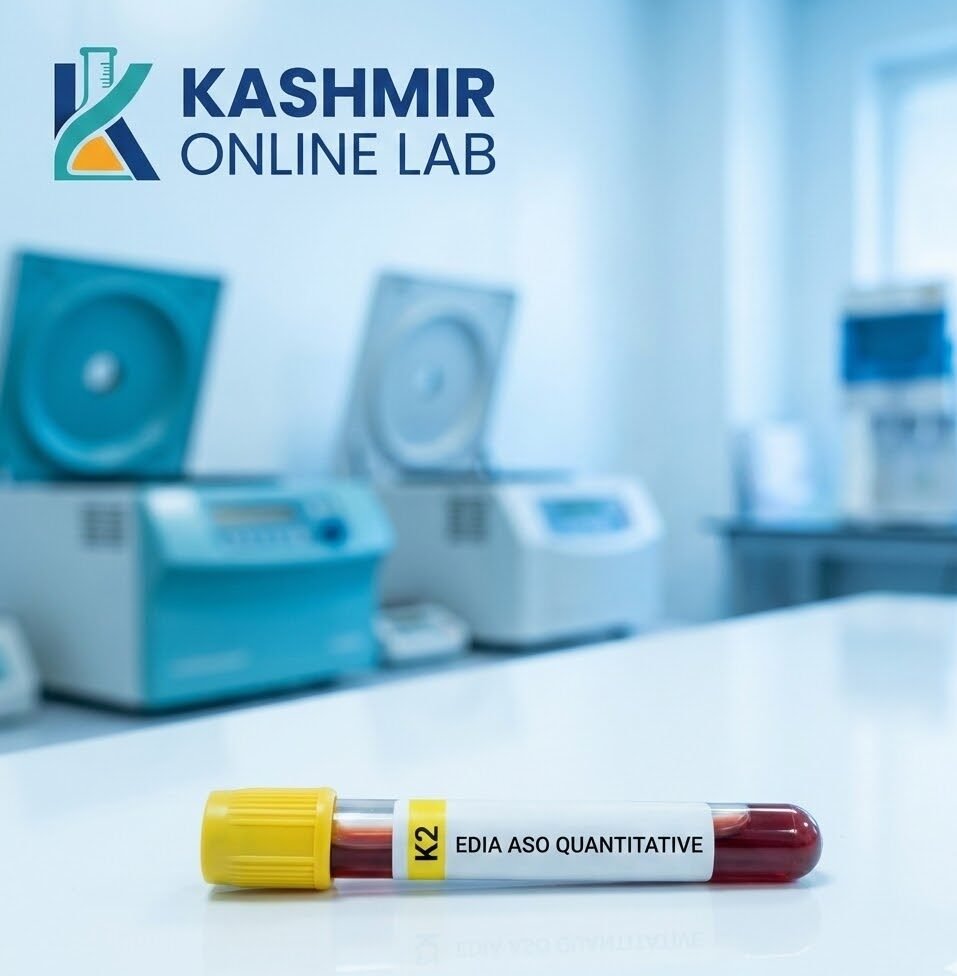
Overview: While a qualitative ASO test simply detects if antibodies are present, the Quantitative ASO test determines the precise concentration of these antibodies, measured in International Units per milliliter (IU/mL). This numerical data is crucial because a single positive result doesn’t always mean active disease—antibodies can remain in the blood for months after an infection.
Clinical Significance:
-
Monitoring Disease Progression: The most valuable use of this test is to compare results over time. A significant rise in antibody levels (titre) between two tests taken 10-14 days apart is strong evidence of a recent streptococcal infection.
-
Diagnosing Complications: It is the standard test for diagnosing post-streptococcal sequelae such as Rheumatic Fever (heart/joint issues) and Glomerulonephritis (kidney issues).
-
differentiation: Helps distinguish between a carrier state (someone who carries the bacteria but isn’t sick) and a true recent infection causing immune response.
When is this test recommended?
-
When a patient has a positive ASO Qualitative screen.
-
To monitor the trend of antibody production in patients with suspected rheumatic fever.
-
When precise antibody levels are needed to confirm a diagnosis in complex cases.
Sample Requirements:
-
Specimen: Serum.
-
Container: Gold Top (SST) or Red Top Tube.
-
Preparation: No fasting is typically required.