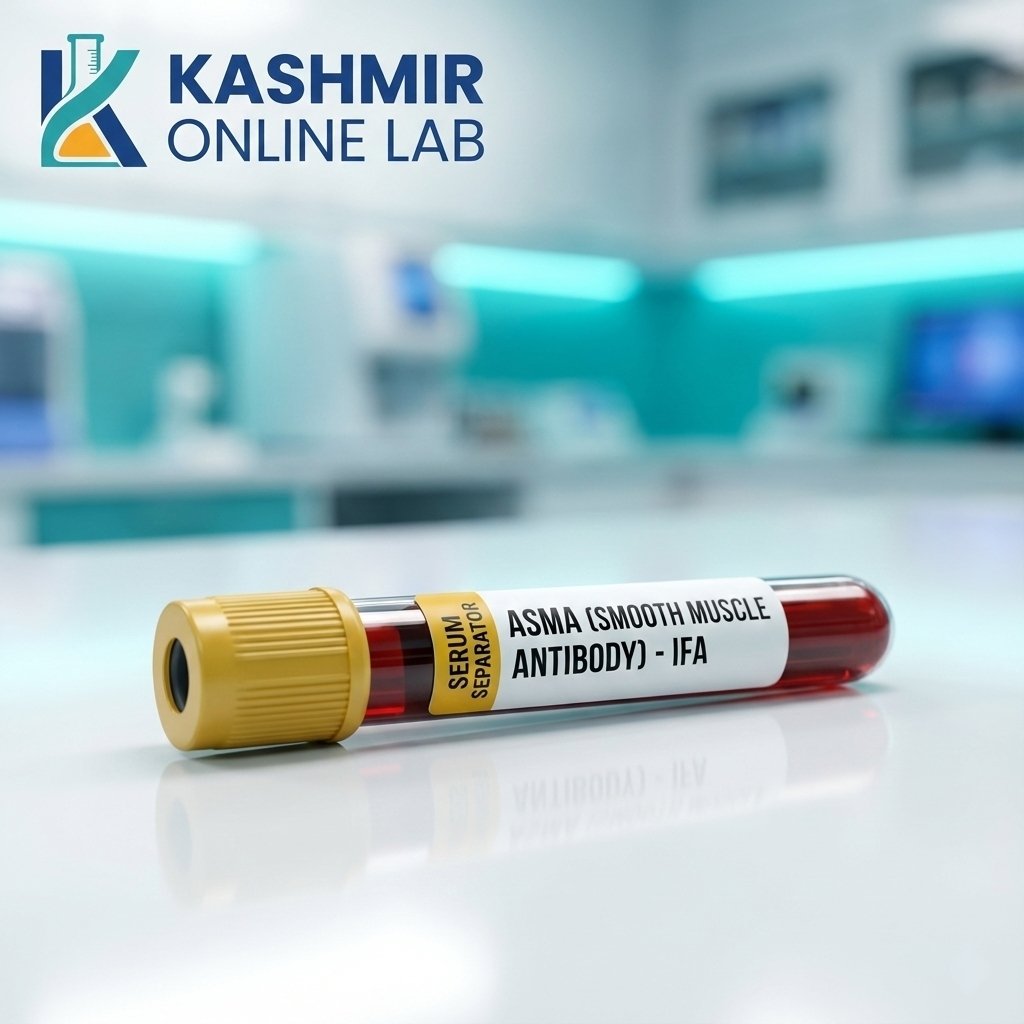
Description
Overview:
This test looks for Anti-Smooth Muscle Antibodies (ASMA) using a technique called Indirect Immunofluorescence (IFA). Unlike standard rapid tests, IFA allows laboratory specialists to visually observe the antibodies binding to tissue under a microscope. This method is highly sensitive and is considered the preferred way to screen for autoimmune liver disorders.
Clinical Significance:
- Autoimmune Hepatitis (Type 1): A high “titre” (concentration) of smooth muscle antibodies is the hallmark of this condition. The IFA method is crucial because it provides not just a “positive/negative” result, but a “titre” (e.g., 1:40, 1:80) that indicates the severity of the antibody load.
- Differentiation: It helps doctors distinguish Autoimmune Hepatitis from Systemic Lupus Erythematosus (SLE) or Primary Biliary Cholangitis (PBC).
When is this test recommended?
- When a patient has ongoing liver inflammation (elevated enzymes) with no viral cause (Hepatitis A, B, or C are negative).
- To distinguish between acute hepatitis and chronic autoimmune liver disease.
- To monitor the response to immunosuppressive therapy in diagnosed patients (titres should decrease with successful treatment).
Sample Requirements:
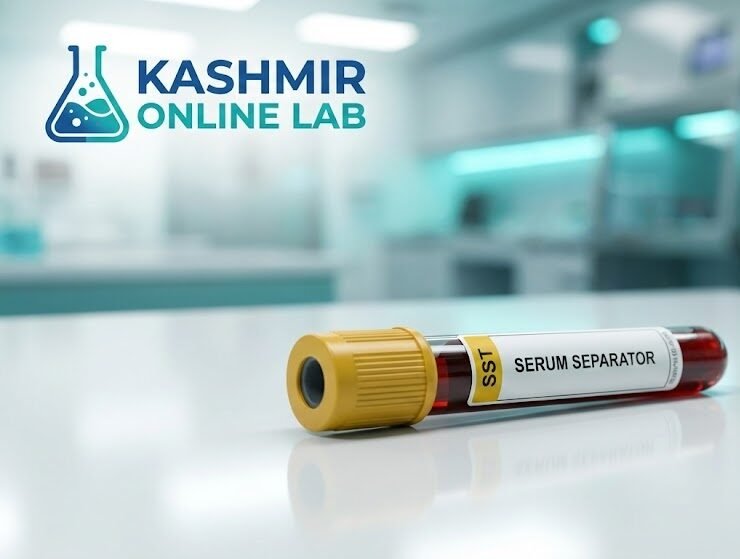
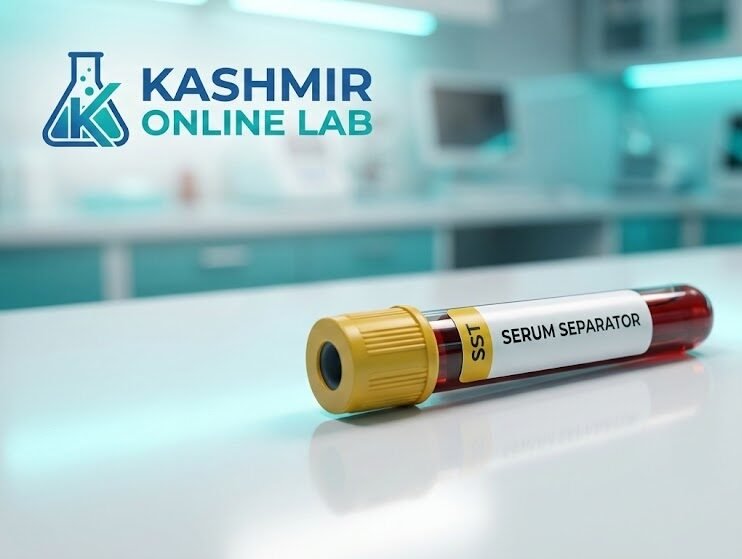
- Specimen: Serum.
- Container: Gold Top (SST) or Red Top Tube.
- Preparation: No fasting is typically required, though avoiding fatty meals before the blood draw is helpful for clearer imaging results in the lab.