Description
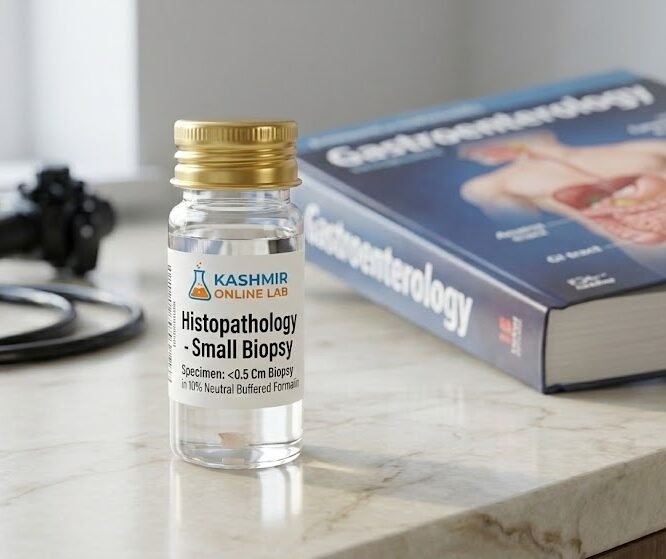
The Small Biopsy involves analyzing tiny fragments of tissue (less than 0.5 cm). These are typically obtained during minimally invasive procedures like endoscopies, colonoscopies, or core needle biopsies to investigate internal tissues.
Specialized medical instruments allow doctors to take very small pinches or cores of tissue from deep within the body without open surgery. Common examples include stomach biopsies taken during an endoscopy to check for H. pylori, cervical punch biopsies, or prostate core needle biopsies. Despite their small size, these fragments provide vital cellular data.
Clinical Significance:
-
Early Detection: Crucial for spotting precancerous changes or early-stage cancers in the gastrointestinal tract, cervix, or prostate.
-
Inflammatory Conditions: Used to diagnose conditions like celiac disease, gastritis, or inflammatory bowel disease.
Sample Requirements:
-
Specimen: Tiny tissue fragments or thin needle cores.
-
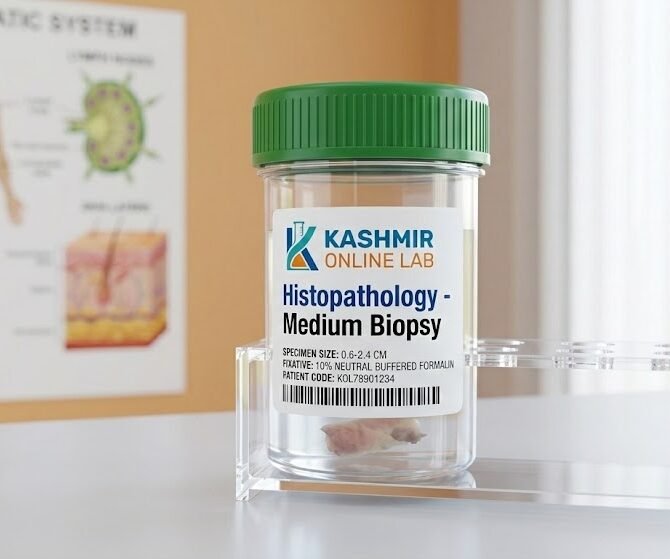
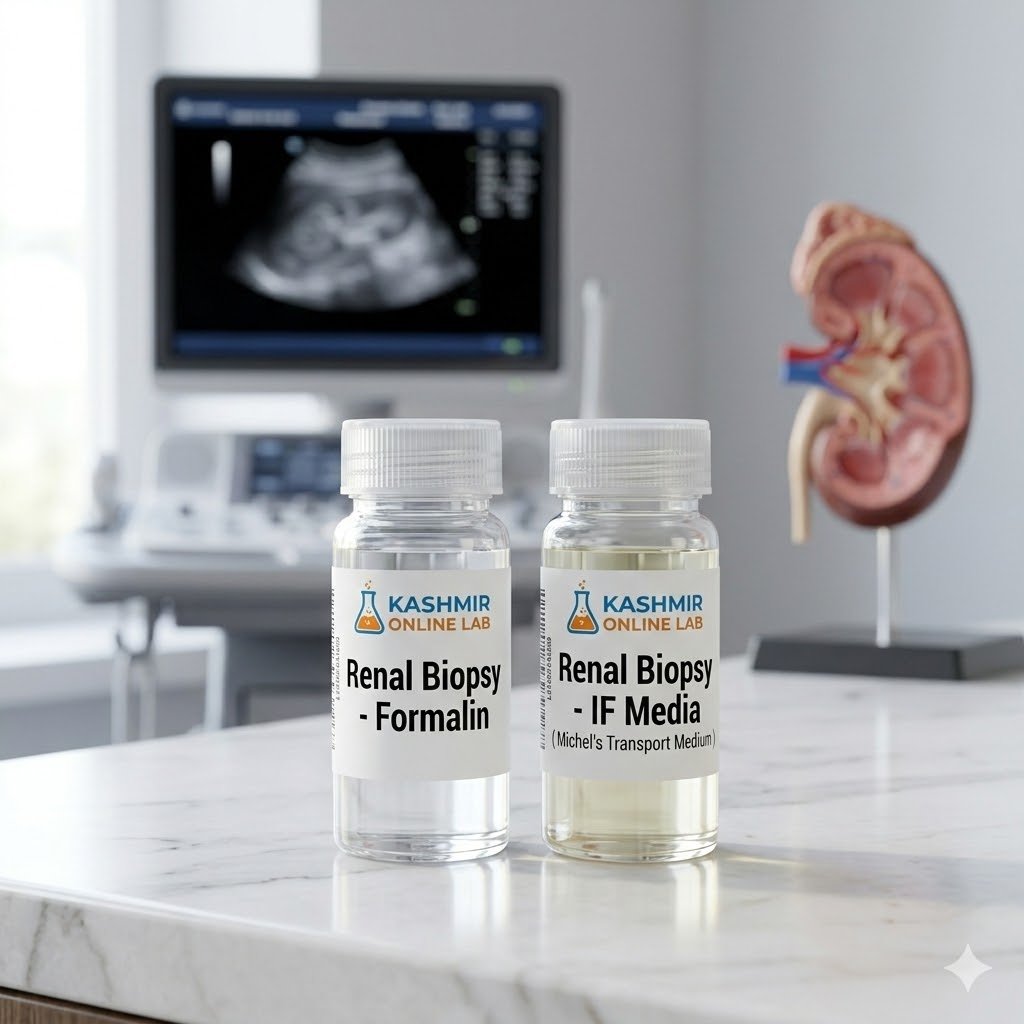
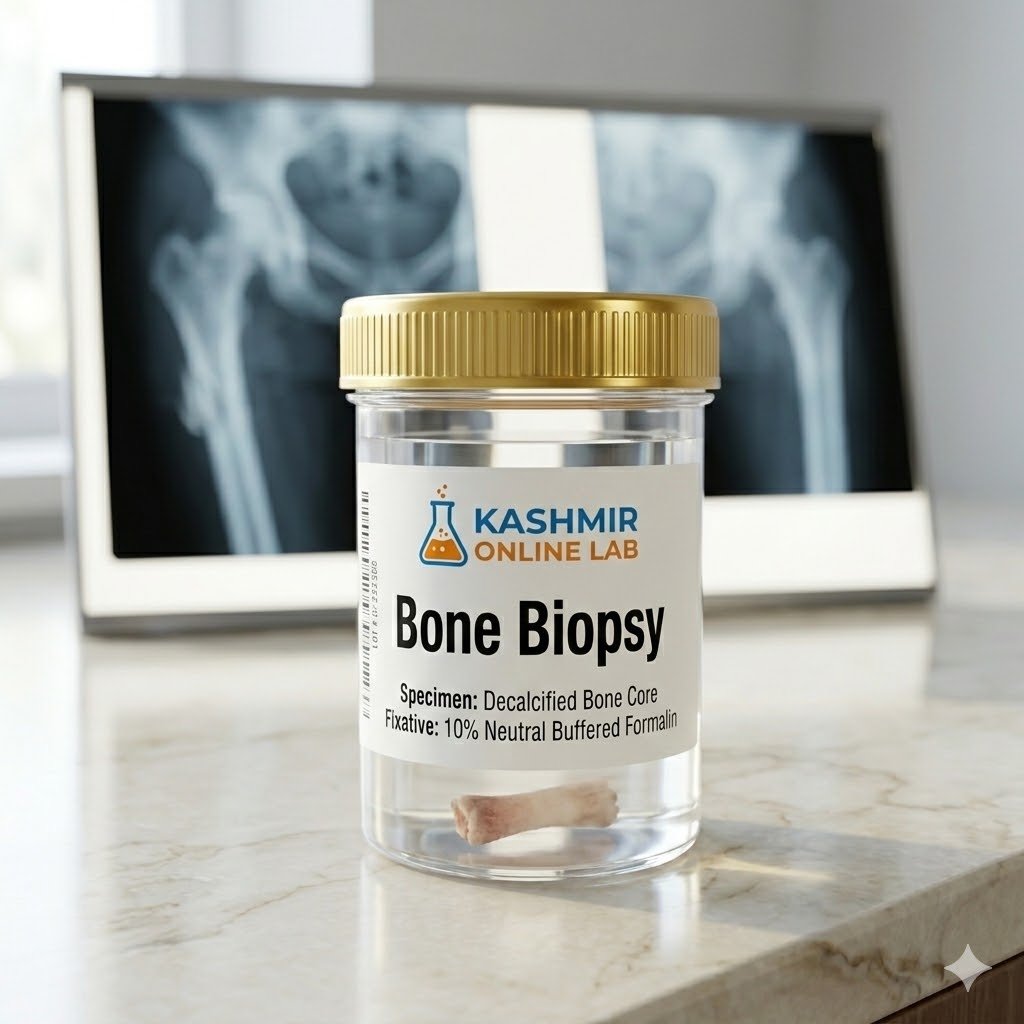
Container: A small specimen vial containing 10% Neutral Buffered Formalin.
-
Preparation: Obtained during specialized procedures (endoscopy, colonoscopy, colposcopy).