
Description
Overview: Cadmium is a toxic heavy metal found in industrial environments (battery manufacturing, metal soldering) and tobacco smoke. Unlike blood cadmium, which only shows recent exposure (last few weeks), urine cadmium levels reflect the amount of cadmium stored in the body’s tissues—specifically the kidneys—accumulated over a lifetime.
Clinical Significance:
-
Chronic Toxicity: Elevated levels indicate long-term poisoning. Cadmium targets the kidneys, potentially causing irreversible damage (tubular proteinuria) and kidney stones.
-
Occupational Monitoring: Used to monitor workers in high-risk industries to ensure safety protocols are working.
-
Bone Health: Chronic cadmium exposure interferes with calcium absorption, leading to weak bones (Osteomalacia or “Itai-itai disease”).
When is this test recommended?
-
For workers in industries using cadmium (batteries, pigments, plastics).
-
For heavy smokers with signs of kidney dysfunction.
-
To investigate unexplained kidney disease or protein in the urine.
Sample Requirements:
-
Specimen: 24-Hour Urine Collection.
-
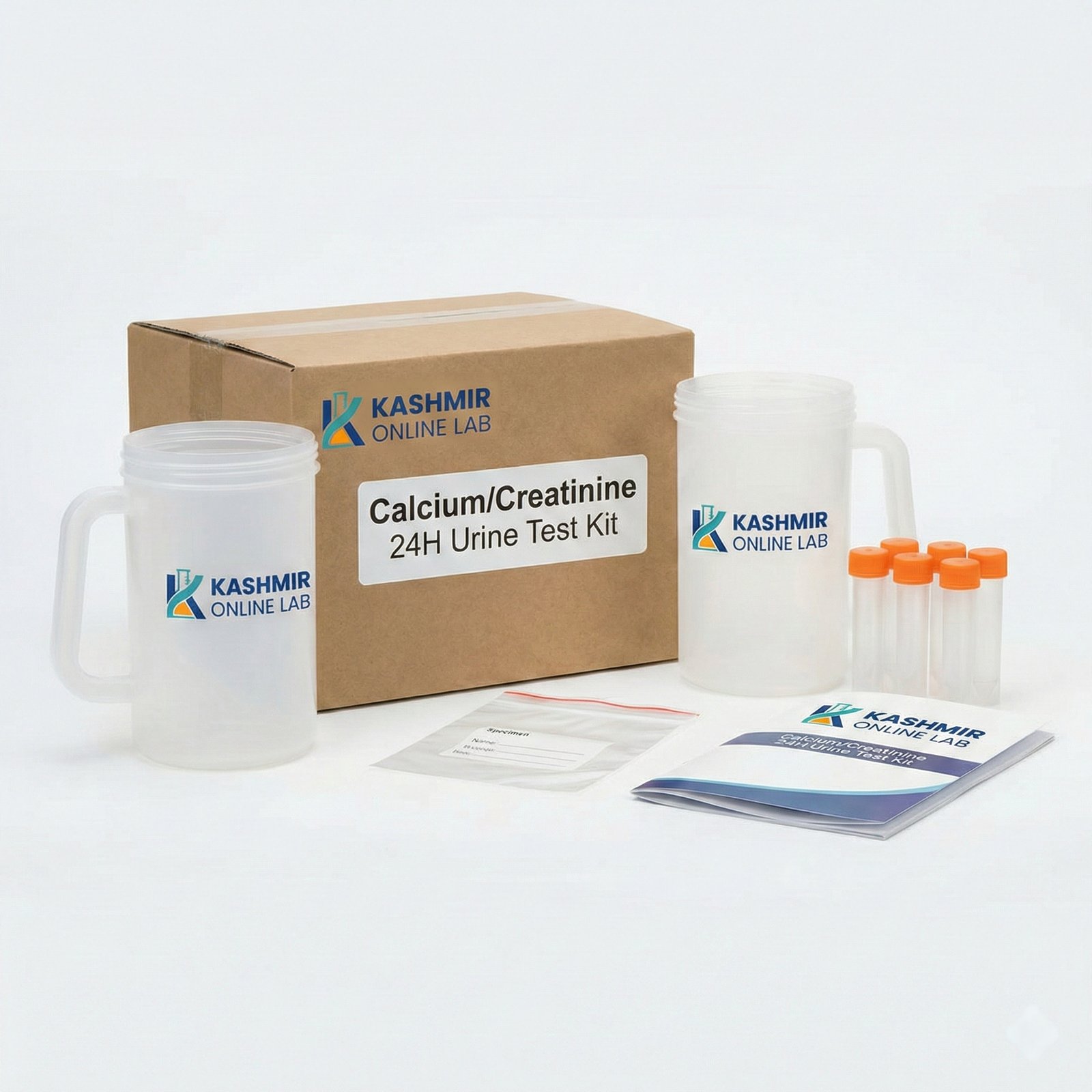
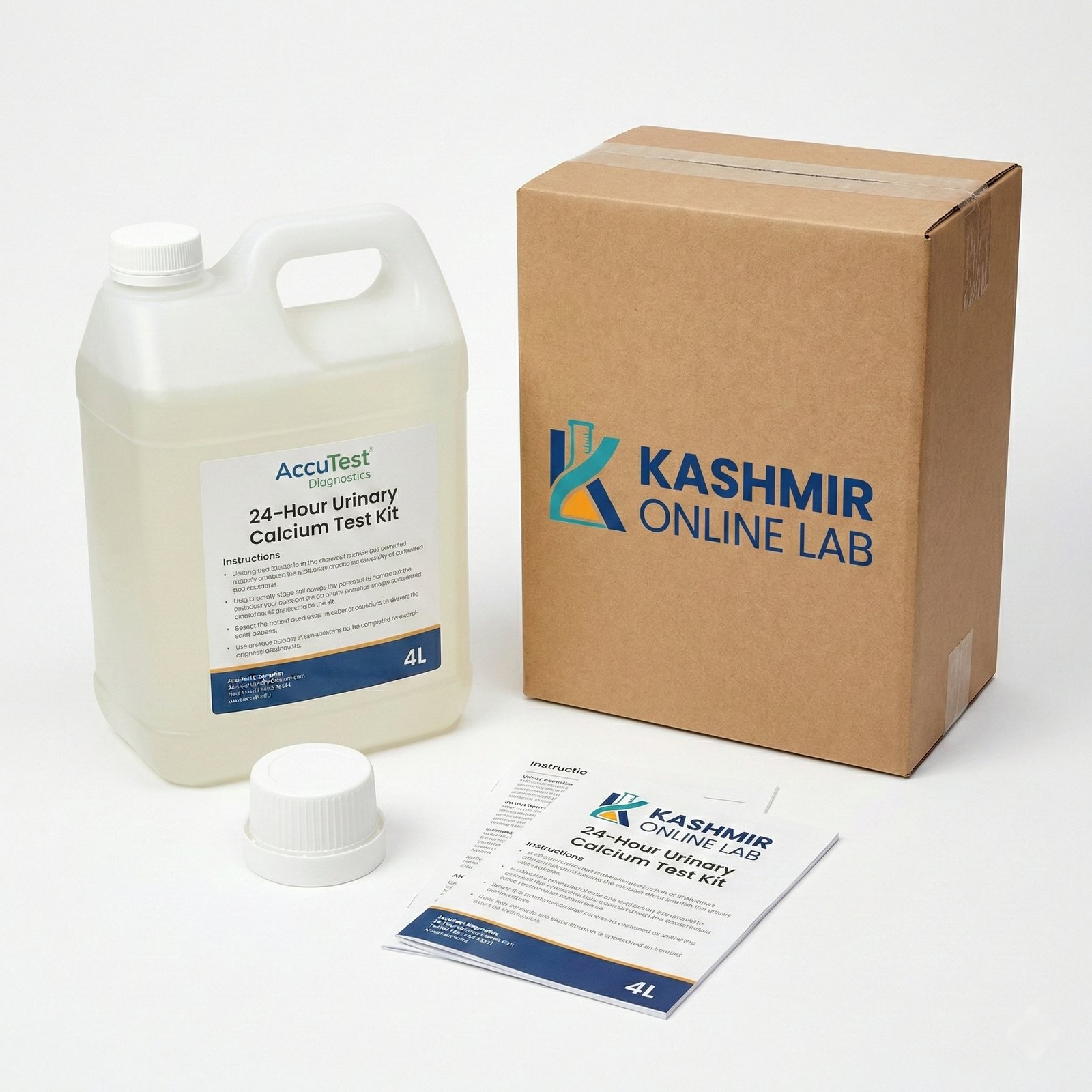
Container: Acid-Washed or Metal-Free 24-Hour Urine Container. (Standard plastic jugs may contain trace metals that ruin the test; a specific metal-free container is required).
-
Collection Instructions:
-
Discard the first morning void.
-
Collect all subsequent urine for 24 hours.
-
Keep the sample refrigerated.
-
-
Precaution: Avoid taking mineral supplements (which may contain trace cadmium) for 48 hours before the test.