Description
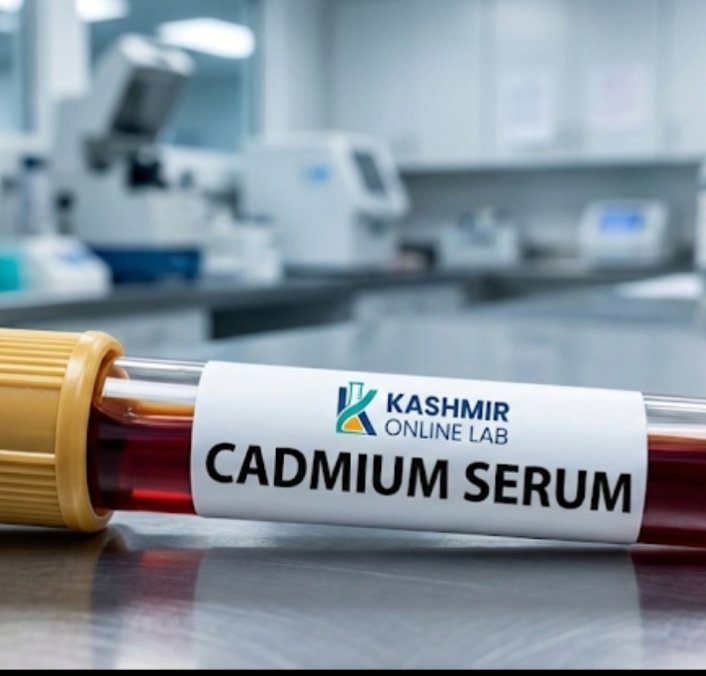
This test quantifies the concentration of Cadmium (Cd) in the blood serum. Cadmium is a toxic heavy metal found in the environment and industrial settings. While urine tests are typically used to monitor long-term (chronic) exposure and kidney burden, the Cadmium Serum test is the gold standard for detecting recent or acute exposure (within the last few days to months).
Clinical Significance:
Cadmium accumulates in the body over time, particularly in the kidneys and liver. Excessive exposure can lead to severe health issues, including kidney damage, lung irritation, and bone fragility.
Common Sources of Exposure:
- Occupational: Metal plating, battery manufacturing (Ni-Cd), welding, and soldering.
- Environmental: Tobacco smoke (smokers typically have cadmium levels twice as high as non-smokers), contaminated food, or water.
When is this test recommended?
- To screen for heavy metal poisoning in industrial workers.
- To investigate symptoms such as nausea, vomiting, abdominal pain, or unexplained kidney dysfunction.
- To monitor patients undergoing treatment for heavy metal toxicity.
Sample Requirements:
- Specimen: Blood (Serum)
- Preparation: No specific fasting is usually required, though it is recommended to avoid eating shellfish or smoking for 24 hours prior to the test to ensure accuracy.