Description
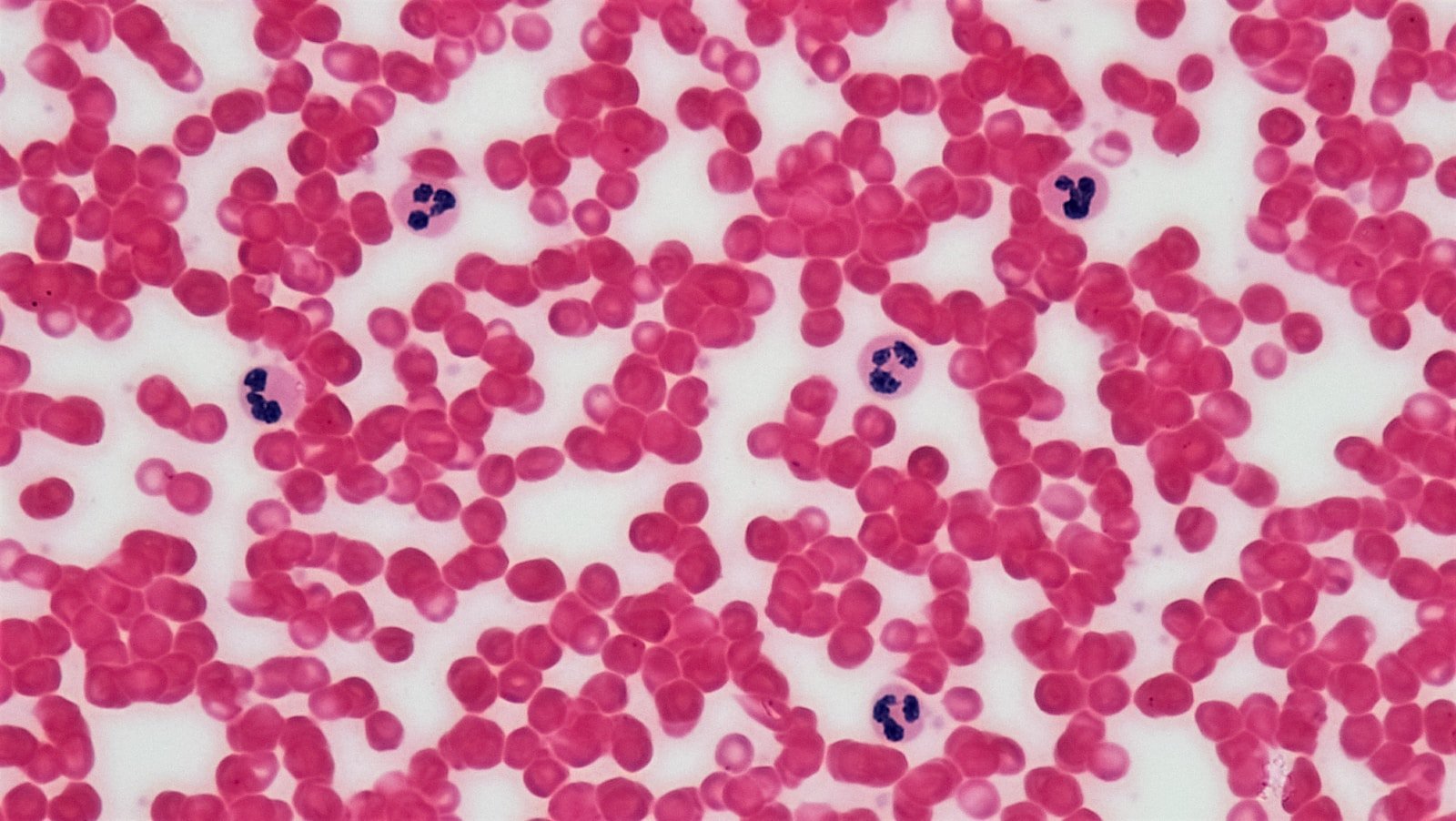
Overview: This test uses a technique called flow cytometry to identify and count distinct subsets of T-lymphocytes (T-cells) in whole blood. These cells are the “soldiers” of the adaptive immune system.
-
CD3+ Cells: Represents the total number of all T-lymphocytes.
-
CD4+ Cells (“Helper” T-cells): These cells coordinate the immune response by signaling other immune cells to attack pathogens. They are the primary target of the HIV virus.
-
CD8+ Cells (“Cytotoxic” or “Suppressor” T-cells): These cells directly kill infected or cancerous cells and eventually help shut down the immune response after an infection is cleared.
Clinical Significance: The absolute counts of these cells and the CD4/CD8 ratio are critical indicators of immune health.
-
HIV/AIDS Monitoring: A declining CD4 count and a low CD4/CD8 ratio are the key markers of disease progression and the risk of opportunistic infections.
-
Other Conditions: Abnormal levels or ratios can also be seen in viral infections (like Epstein-Barr/mono), severe bacterial infections, autoimmune diseases (like multiple sclerosis), and congenital immune deficiencies.
When is this test recommended?
-
To diagnose and monitor patients with HIV/AIDS, guiding decisions on antiretroviral therapy.
-
To evaluate patients with recurrent or unusual infections, suggesting a weakened immune system.
-
To monitor immune status in patients following organ transplantation or those receiving immunosuppressive drugs.
-
To investigate certain autoimmune disorders.
Sample Requirements:
-
Specimen: Whole Blood.
-
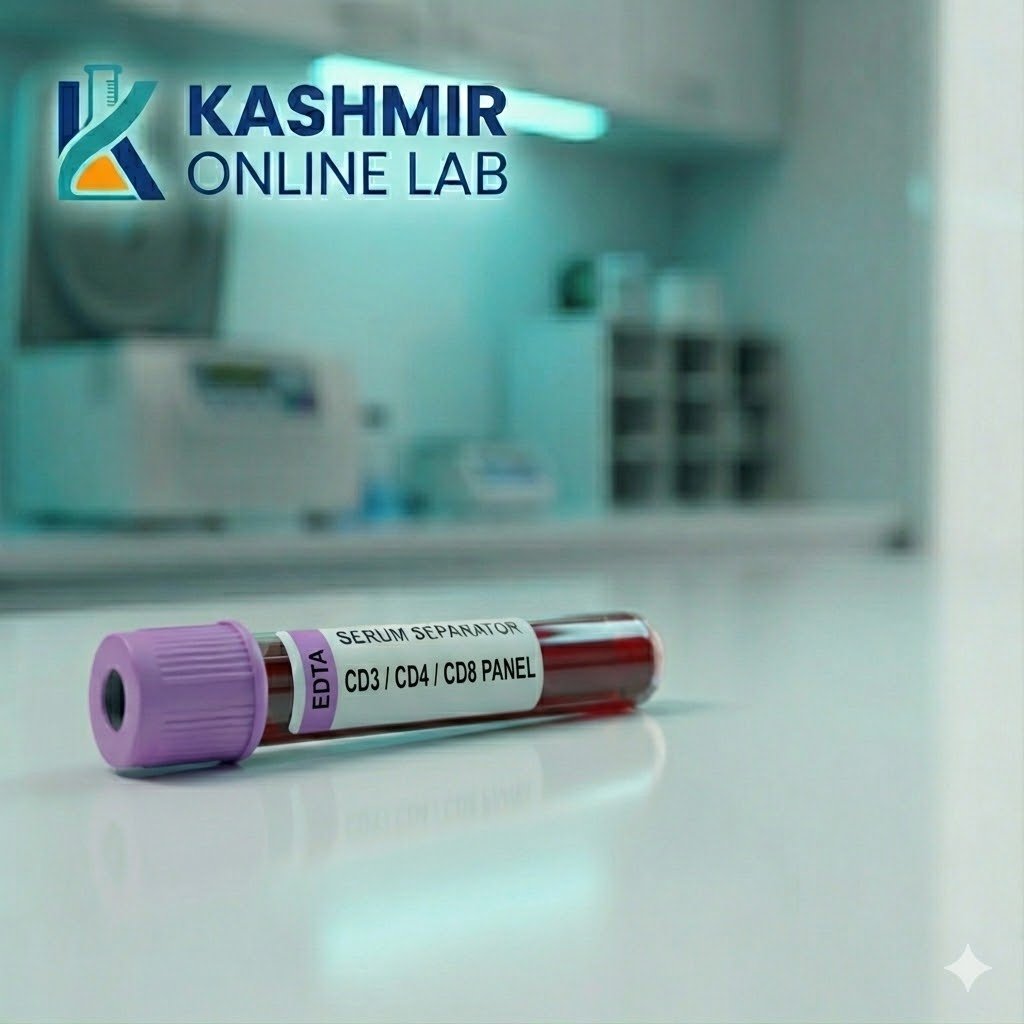
Container: Lavender Top Tube (EDTA). Note: The anticoagulant EDTA is essential to preserve cell morphology for accurate flow cytometry analysis.
-
Preparation: No fasting is typically required. The sample must be processed promptly (usually within 24-48 hours) for accurate results.