Description
The CEA Test is a blood test primarily used as a tumor marker to monitor patients already diagnosed with certain types of cancer, especially colorectal (colon and rectal) cancer. It helps doctors assess how well treatment is working and check if the cancer has returned after treatment. Note: It is not used as a general cancer screening test for healthy individuals.
Carcinoembryonic Antigen (CEA) is a protein normally found in very low levels in the blood of healthy adults. However, certain types of cancer—most notably colorectal cancer—can cause CEA levels to rise significantly. This test measures the amount of CEA in your blood.
It’s important to understand that CEA is not typically used to diagnose cancer initially or as a routine screening test for healthy people. This is because elevated CEA levels can also be caused by non-cancerous conditions, such as smoking, infection, or inflammatory diseases (like inflammatory bowel disease or pancreatitis). Furthermore, some cancers do not produce CEA.
Clinical Significance: The CEA test is a vital tool used by oncologists for several key reasons:
-
Monitoring Treatment: Checking CEA levels before and during cancer treatment (such as chemotherapy, radiation, or surgery) helps determine if the therapy is effectively reducing the cancer. A falling CEA level generally suggests the treatment is working.
-
Detecting Recurrence: After successful cancer treatment, regular CEA testing is crucial for early detection of cancer recurrence. A rising CEA level after it had fallen may indicate the cancer has returned.
-
Staging and Prognosis: In some cases, the initial CEA level at the time of diagnosis can help provide information about the extent of the cancer (staging) and the potential outcome (prognosis).
When is this test recommended?
-
Post-Diagnosis: This test is almost exclusively ordered for individuals who have already been diagnosed with cancer, particularly colorectal cancer.
-
During Treatment: To evaluate the effectiveness of ongoing cancer therapy.
-
Surveillance: As part of regular follow-up appointments after cancer treatment is completed to monitor for recurrence.
Sample Requirements:
-
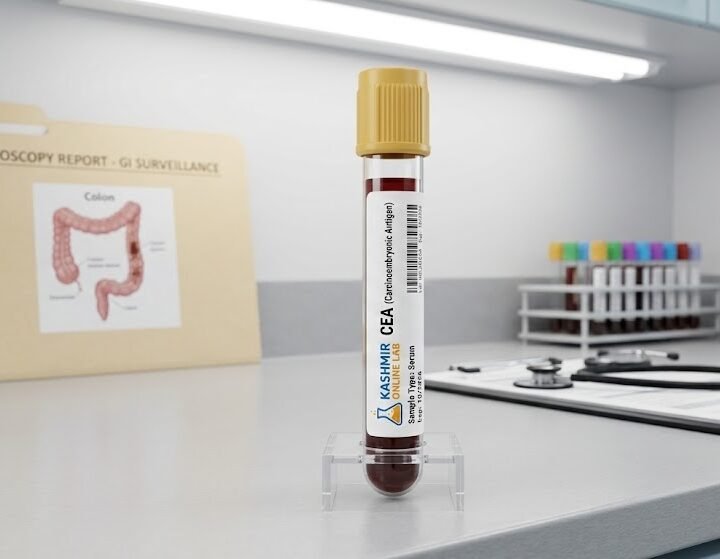
Specimen: Serum (Blood).
-
Container: Gold Top (SST) or Red Top Tube.
-
Preparation: No fasting is required. However, it is important to inform your doctor if you smoke, as smoking can cause slightly elevated CEA levels.