
Description
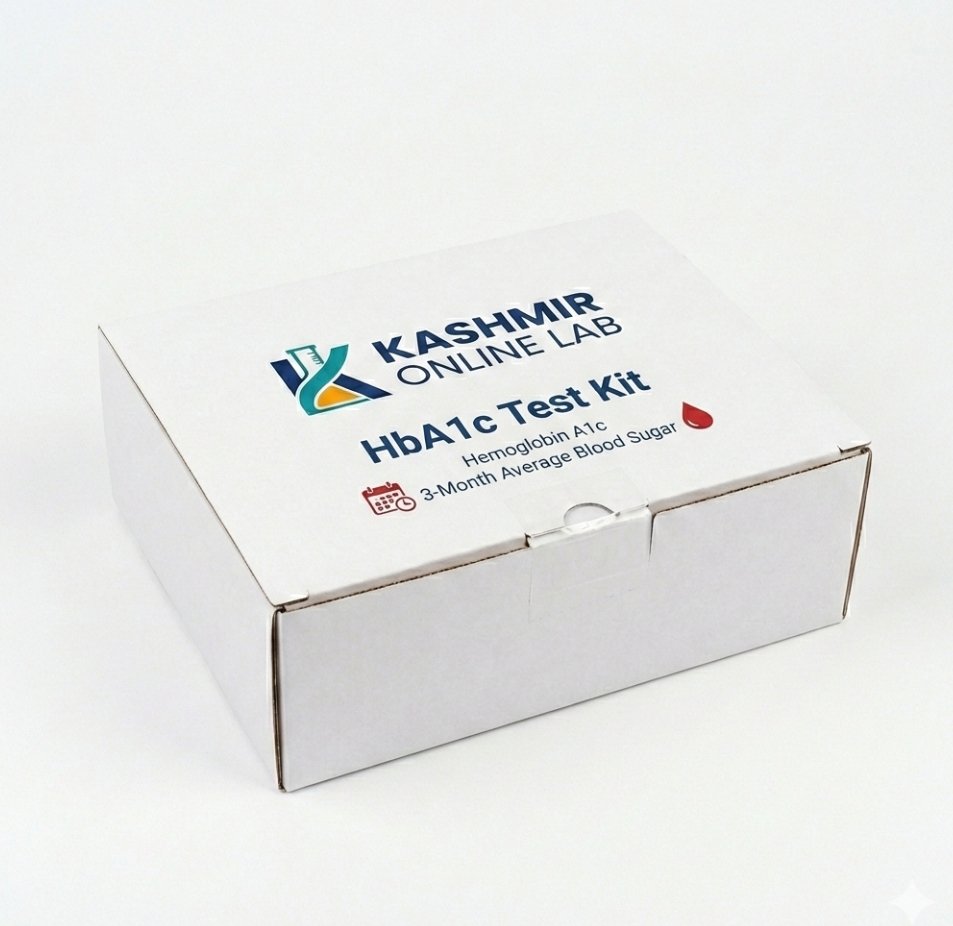
The HbA1c (Hemoglobin A1c) test is a blood test that provides a comprehensive picture of your average blood sugar (glucose) levels over the past 3 months. It is the primary tool used for diagnosing and managing diabetes.
Description
- What it measures: The test measures the percentage of hemoglobin (a protein in red blood cells that carries oxygen) that is coated with sugar (glycated).
- Why 3 months? Red blood cells live for approximately 120 days (3 months). Because the sugar remains attached to the hemoglobin for the life of the cell, the test reflects your average blood sugar exposure over that lifespan, rather than a single moment in time like a finger-prick test.
Purpose & Clinical Significance
The HbA1c test is used for three main purposes:
- Diagnosing Diabetes: It identifies Type 2 diabetes and prediabetes.
- Monitoring Control: For people already diagnosed with diabetes, it acts as a “report card” to show how well their treatment plan (diet, exercise, or medication) is working.
- Assessing Risk: Higher levels correlate with a higher risk of diabetes complications, such as kidney disease, eye damage (retinopathy), and nerve damage.
Procedure
- Preparation: Unlike fasting glucose tests, no fasting is required for the HbA1c test. You can eat and drink normally before the appointment.
- Collection: A healthcare professional draws a small sample of blood from a vein in your arm.
- Frequency:
- Diagnosed Diabetes: Typically tested every 3–6 months.
- Screening: If results are normal, testing may be repeated every 3 years or more frequently if risk factors exist.
Reference Ranges
Results are reported as a percentage. The standard ranges used to interpret the test are:
- Normal: Less than 5.7%.
- Prediabetes: 5.7% to 6.4%.
- Diabetes: 6.5% or higher.