
Description
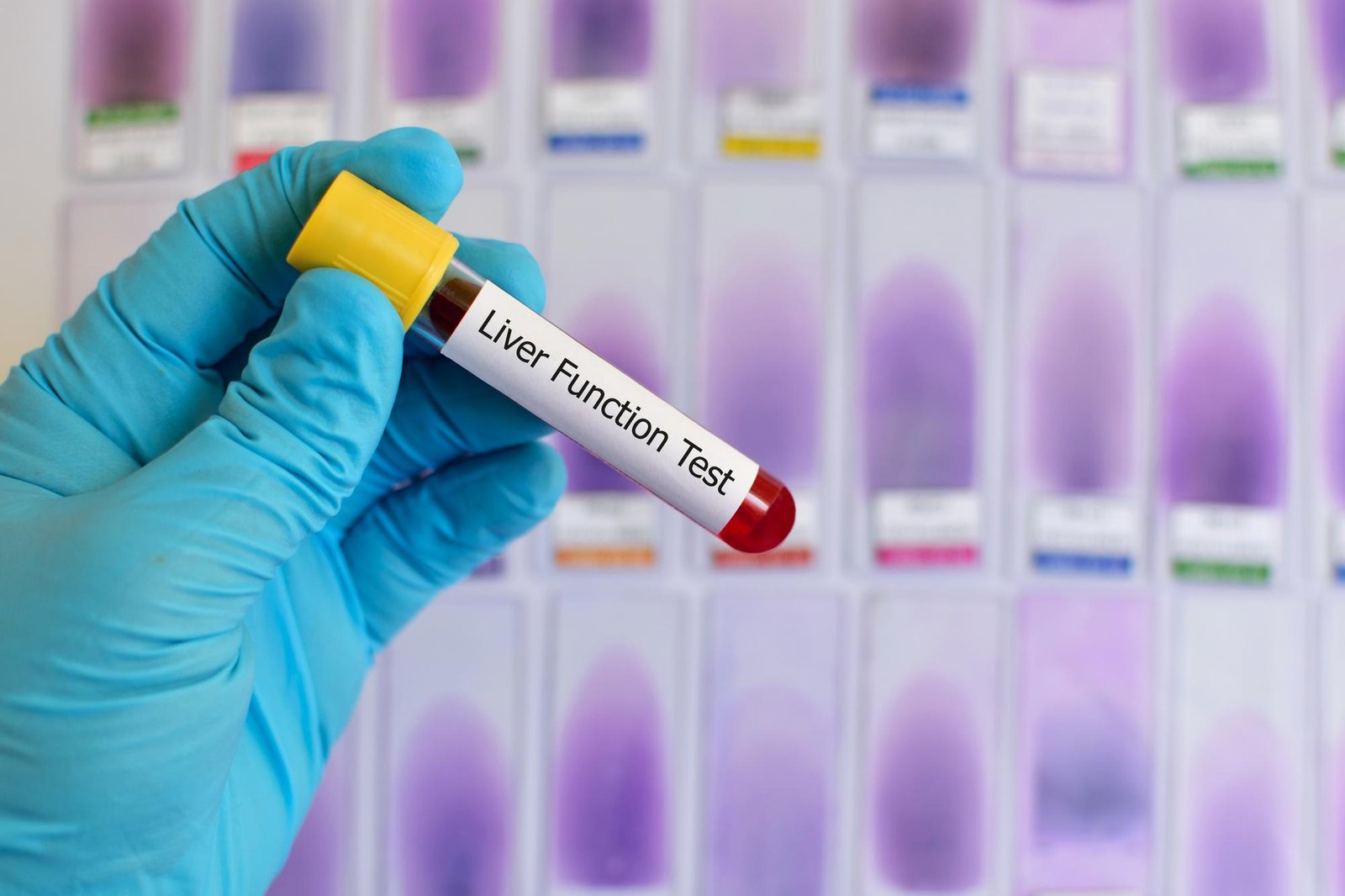
The Liver Function Test (LFT) is a comprehensive blood panel that checks the overall health of your liver. It measures levels of key enzymes (like SGPT/SGOT) and proteins (Bilirubin) to detect liver damage, infections like Hepatitis, or issues caused by alcohol and fatty liver disease.
Overview: The liver is the body’s chemical factory. When it is damaged or inflamed, it leaks specific enzymes into the bloodstream. This panel measures those markers to give a “status report” on liver health. The standard LFT panel typically includes:
-
Bilirubin (Total, Direct, Indirect): High levels cause Jaundice (yellowing of eyes/skin).
-
Liver Enzymes (SGPT/ALT & SGOT/AST): These rise when liver cells are damaged/inflamed.
-
Alkaline Phosphatase (ALP): High levels can indicate blocked bile ducts.
-
Total Protein & Albumin: Measures the liver’s ability to produce essential proteins for the body.
Clinical Significance:
-
-
Fatty Liver & Alcohol Use: It is the primary screening tool for Nonalcoholic Fatty Liver Disease (NAFLD) and alcohol-induced damage.
-
Hepatitis Screening: Essential for detecting Hepatitis A, B, and C infections
-
-
Medication Monitoring: Many drugs (like cholesterol statins or heavy painkillers) are processed by the liver; this test ensures they aren’t causing damage.
-
Gallbladder Issues: Can help detect stones or blockages in the bile ducts.
When is this test recommended?
-
Symptoms: Yellowish eyes/skin (Jaundice), dark urine, persistent nausea, or pain in the upper right abdomen.
-
Risk Factors: For patients who consume alcohol regularly, are overweight, or have diabetes.
-
Routine Checkup: Often part of an annual Master Health Checkup.
Sample Requirements:
-
Specimen: Serum (Blood).
-
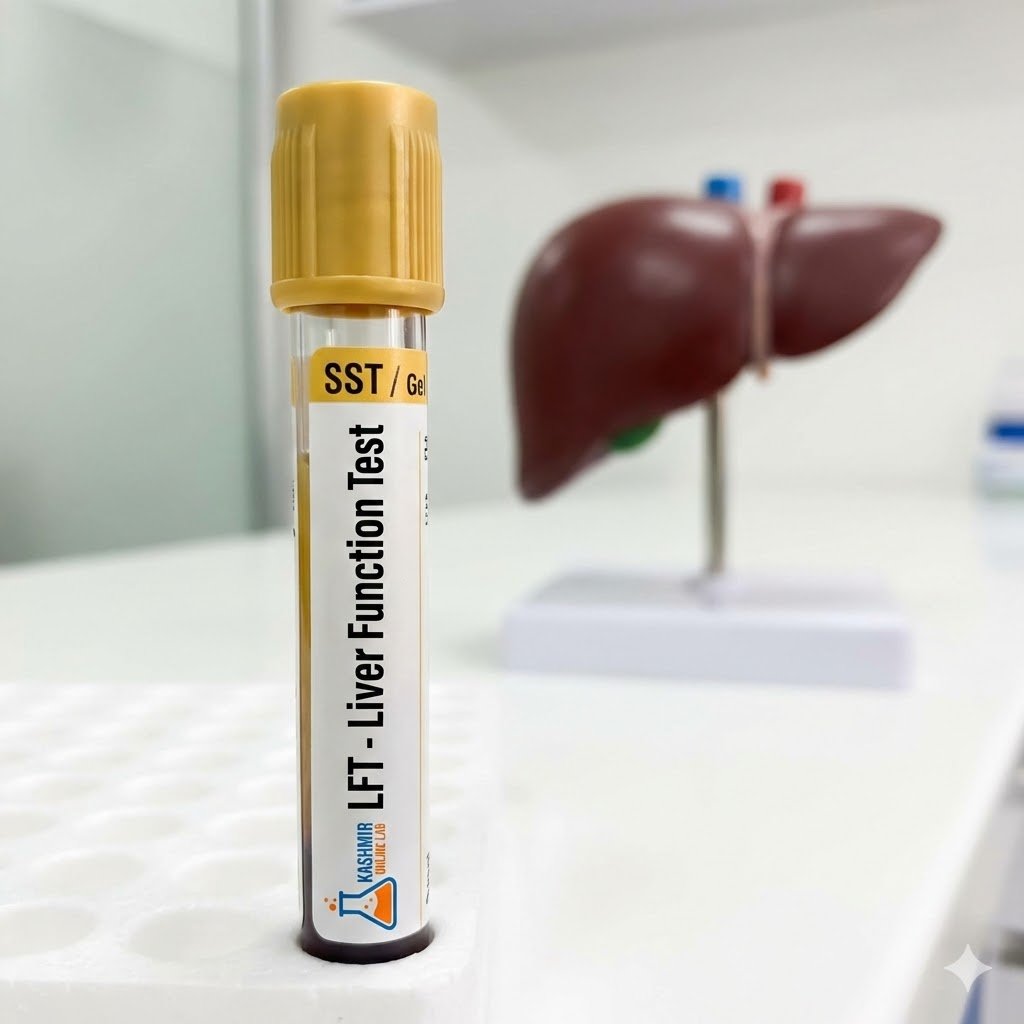
Container: Gold Top (SST) or Red Top Tube.
-
Preparation: Fasting (8-10 hours) is preferred for the most accurate results, especially for Bilirubin and Albumin levels, though random samples are sometimes accepted for emergency screening.