
Description
Detailed Description
Overview
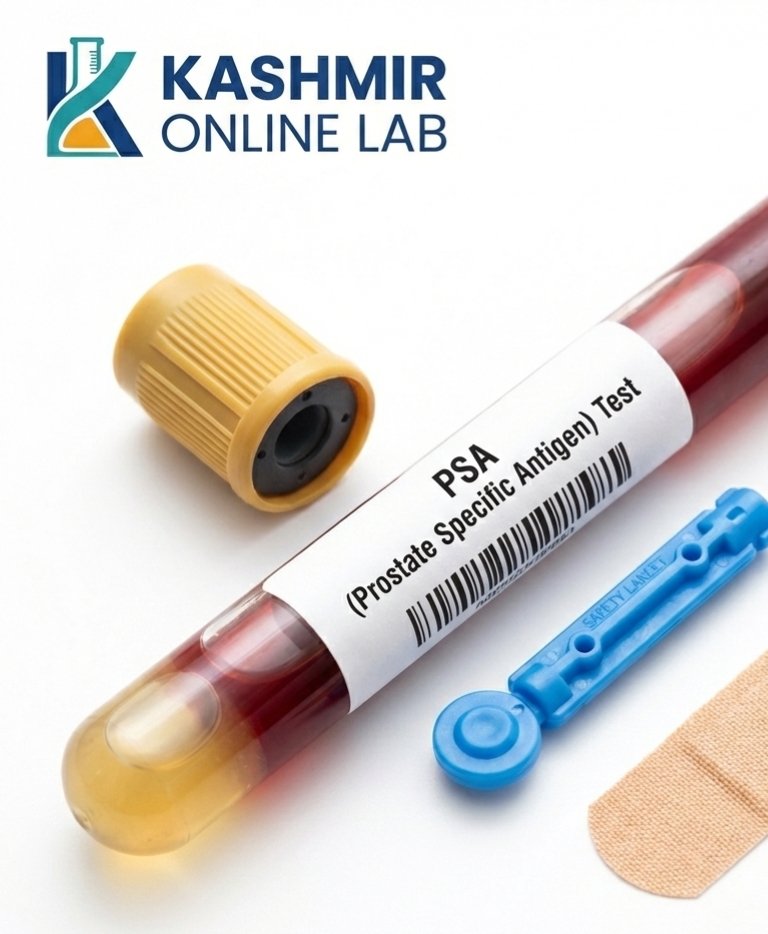
The PSA Profile measures the amount of Prostate Specific Antigen (PSA) in your blood. PSA is a protein produced by both normal and cancerous cells in the prostate gland (a small gland that sits below the bladder in men). While low levels of PSA are normal, rising levels can indicate an issue that requires medical attention.
Why is this test recommended?
Doctors primarily use this test to screen for prostate cancer and monitor prostate health. It is often prescribed if:
- Age Factor: You are a man over 50 years old (screening usually begins at this age).
- Symptoms: You are experiencing urinary issues such as frequent urination (especially at night), difficulty starting urination, weak urine flow, or pain.
- Monitoring: You have been diagnosed with Benign Prostatic Hyperplasia (BPH) or an enlarged prostate and need to monitor its progression.
Understanding the Results
- Normal Levels: generally indicate a healthy prostate, though “normal” varies by age.
- Elevated Levels: High PSA does not always mean cancer. It can also be caused by:
- Prostatitis (inflammation/infection of the prostate).
- BPH (Benign enlargement of the prostate).
- Recent medical procedures or vigorous physical activity.
Test Details
- Sample Type: Blood (Serum)
- Preparation: No fasting is required. However, it is recommended to avoid ejaculation or vigorous exercise (like cycling) for 24-48 hours before the test, as these can temporarily raise PSA levels.
- Turnaround Time: Reports are typically available within 24 hours.