There is nothing quite like the comfort of a warm Hamam on a snowy day. We sit, we talk, we drink endless cups of Nun Chai, and we eat Harissa.
It sounds cozy, but biologically, it is a metabolic trap.
When our activity levels drop to near zero in winter, but our intake of salt and meat stays high (or increases), our bodies struggle to process the load. Here are the three “Silent Spikes” that happen every winter in Kashmir:
1. The Salt Spike (Hypertension)
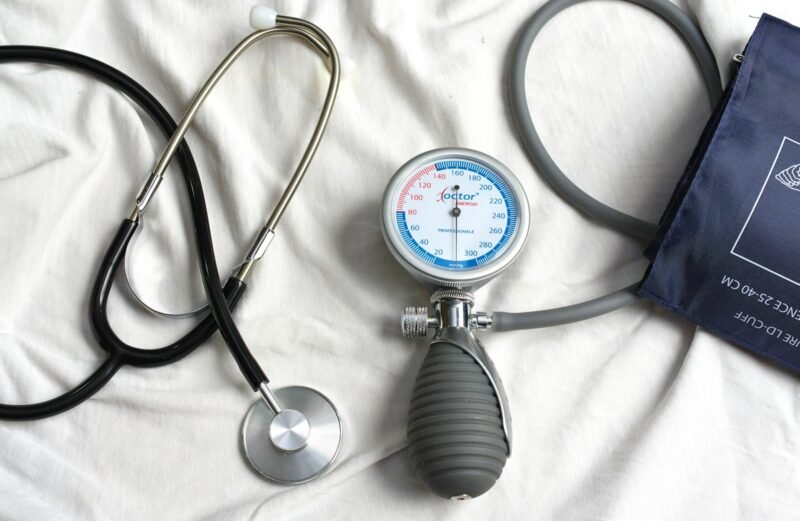
Nun Chai is delicious, but it is loaded with salt. In winter, we drink more of it to stay warm. Combined with the cold narrowing our blood vessels, this creates a massive spike in blood pressure. This is why heart attacks and strokes are more common in the Valley during Chilai Kalan.
2. The Uric Acid Spike (Gout)
Red meat + low water intake + inactivity = Uric Acid crystals. If your big toe or knees start throbbing in the middle of the night, it’s not just “arthritis from the cold.” It is likely Gout, a painful condition caused by high uric acid crystallizing in your joints.
3. The Cholesterol Creep
Harissa is a winter delicacy, but it is pure fat and protein. When you eat heavy meals and don’t walk them off, that fat doesn’t disappear—it settles in your arteries.
Know Your Numbers
You can’t feel high cholesterol. You can’t feel early high blood pressure. These are silent killers.
Before you settle in for the long winter, get a “baseline check.” A Lipid Profile, Kidney Function Test (for Uric Acid), and a simple BP check can tell you exactly how much Harissa is “safe” for you this year.
-
Stay warm, but stay safe. [Book a Metabolic Health Screen] and let us come to your home for collection, so you don’t have to brave the cold.