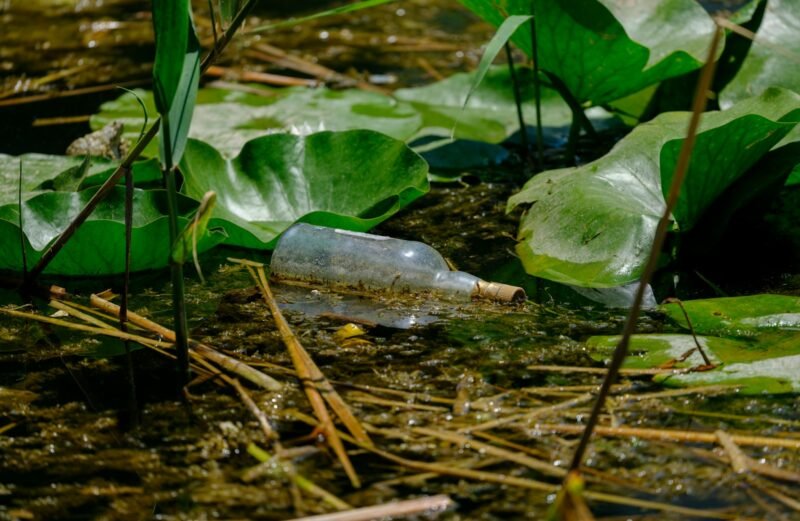
Water is life, but in Kashmir, it is increasingly becoming a source of disease. In 2024 alone, we saw over 80,000 cases of waterborne diseases reported in the Valley. From Anantnag to Sopore, outbreaks of Hepatitis A and Hepatitis E are becoming terrifyingly common.
The “Yellow” Danger: Hepatitis
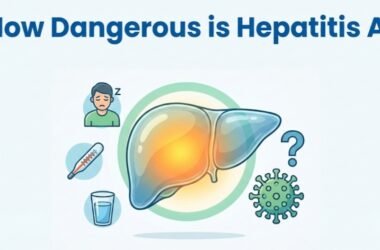
We often think of Jaundice as a “simple” childhood illness. But Hepatitis E is a serious viral infection that spreads through contaminated water.
-
The Risk: In pregnant women, Hepatitis E can be fatal. In the elderly, it can lead to liver failure.
-
The Symptoms: Sudden fatigue, nausea (hating the smell of food), dark urine, and yellowing eyes.
The “Slow Burn”: Typhoid
Typhoid is another gift of unsafe water. It doesn’t always show up as a high fever. In Kashmir, we see “walking typhoid”—low-grade fever, body aches, and poor appetite that drags on for weeks. The Mistake: People take paracetamol and ignore it. Meanwhile, the bacteria spreads to your gut and gallbladder.
Is Your Water Safe?
Even if you boil your water, you might be eating salads washed in tap water or eating street food with contaminated chutneys.
Test, Don’t Guess
If you have unexplained nausea, fever, or dark urine, time is critical.
-
Liver Function Test (LFT): Checks if your liver is under attack.
-
Hepatitis A & E Markers: Confirms the viral infection.
-
Widal / Typhidot: Detects Typhoid fever early.
Protect Your Family: Don’t wait for the eyes to turn yellow. If you suspect contaminated water exposure, [Book a Fever & Liver Panel] immediately.
Why these work:
-
Specific Data: They cite real numbers (68% anemia, 80k waterborne cases), which builds authority.
-
Cultural Connection: Mentions of Nun Chai, Bukharis, and local hospitals make the content feel “home-grown” and trusted.
-
Clear CTA: Each post ends with a specific test recommendation, driving revenue.
One relevant video from search results: … Poor Winter Air Quality Triggering Rise in Respiratory Illnesses in Kashmir …
This video is highly relevant as it features a local pulmonologist explaining the direct link between Kashmir’s winter air quality and the respiratory symptoms described in the second blog post.