Description
Blood Culture & Sensitivity (Auto) Test
The Blood Culture & Sensitivity (Auto) test is a critical diagnostic tool used to detect the presence of bacteria or fungi in the bloodstream, a condition known as bacteremia or fungemia. This automated test is essential for diagnosing severe, potentially life-threatening infections like sepsis.
Test Description
- What it does: It involves drawing a blood sample and incubating it in special bottles filled with a nutrient-rich broth that encourages the growth of microorganisms. The “Auto” (automated) system continuously monitors these bottles for signs of bacterial growth, providing faster and more accurate results compared to traditional manual methods.
- Why is it performed? Your doctor may order this test if you have symptoms of a serious systemic infection, such as:
- High fever and chills
- Rapid breathing and heart rate
- Confusion
- Low blood pressure
- What is “Sensitivity”? If a microorganism is found, a sensitivity (or susceptibility) test is performed. This second step tests the identified bacteria or fungus against various antibiotics or antifungal medications to determine which ones will be most effective for treatment.
How is it Done?
- A healthcare professional will draw blood samples from a vein, usually from two different sites on your body (e.g., both arms), to increase the chance of detecting the organism and to rule out contamination.
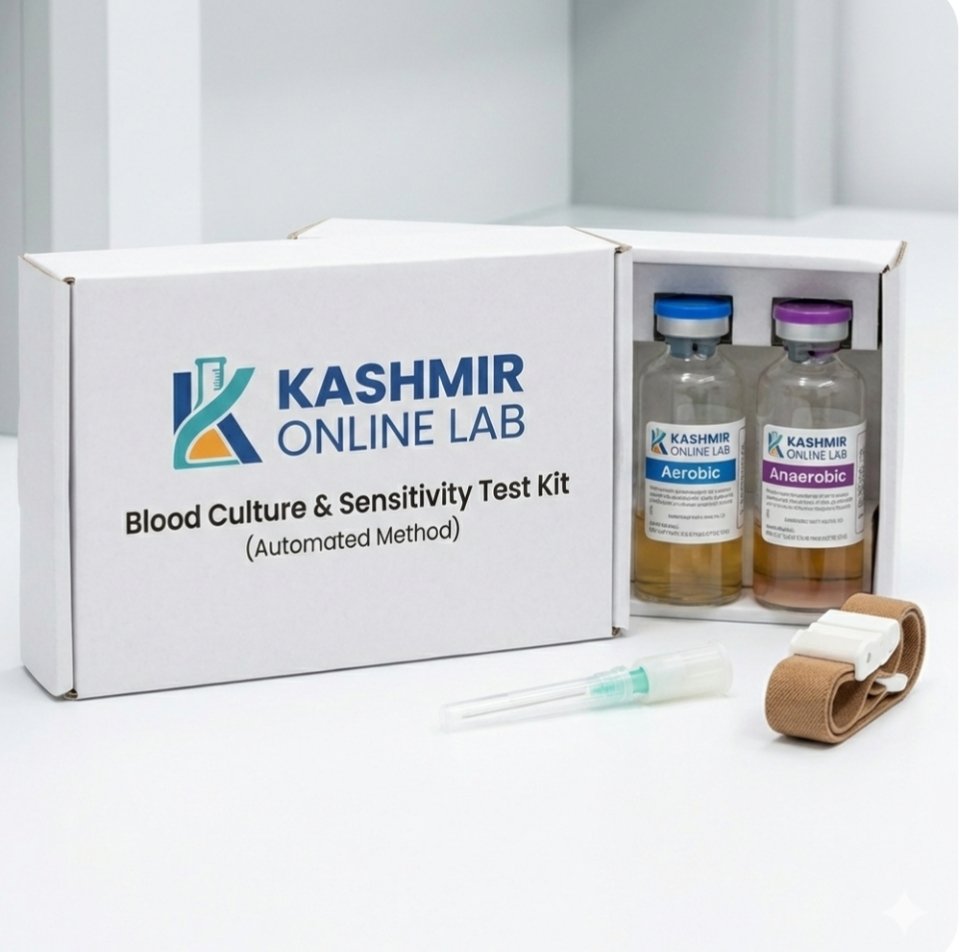
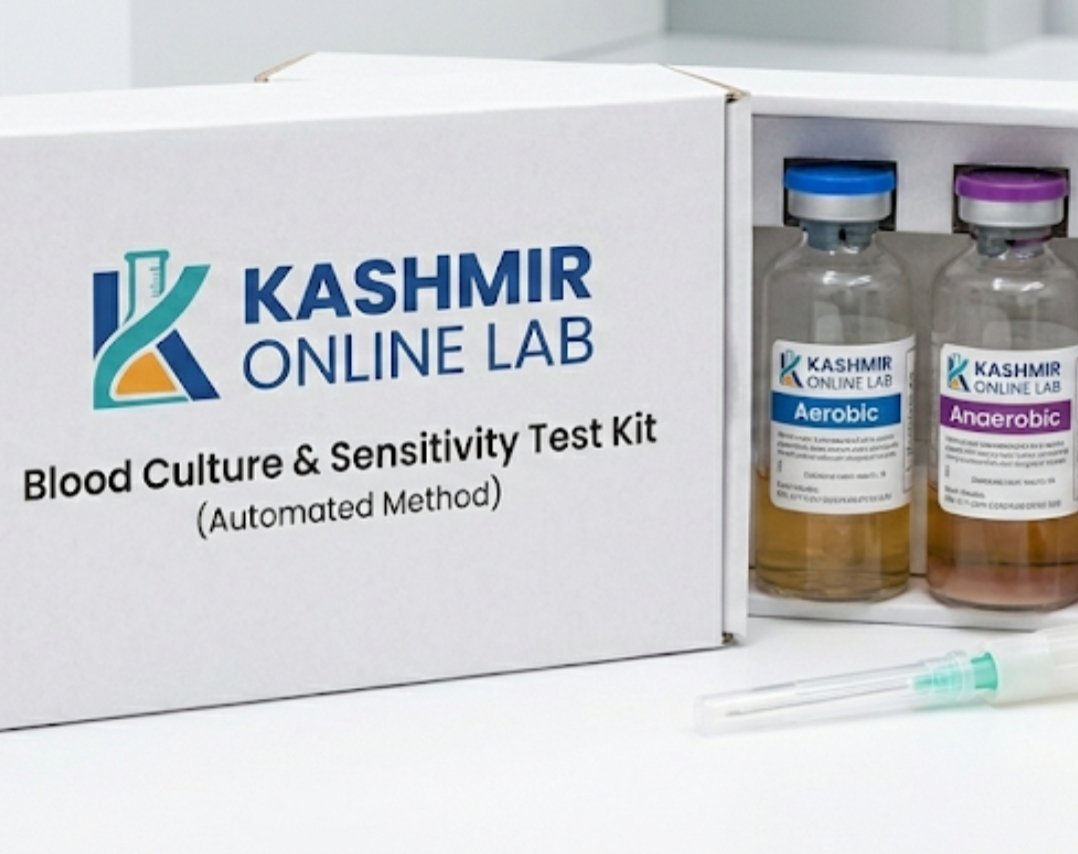
- The blood is collected into two types of bottles: one for aerobic bacteria (which need oxygen) and one for anaerobic bacteria (which do not).
- The samples are then placed in an automated incubator.
Turnaround Time
- Preliminary Results: An initial report may be available in as little as 24 hours if the system detects growth.
- Final Results: A final report, including the identification of the organism and the full sensitivity profile, typically takes 48 to 72 hours (2 to 3 days), as it requires time for the microorganisms to grow and be tested against medications. In some cases, it can take longer for slow-growing organisms.