Description
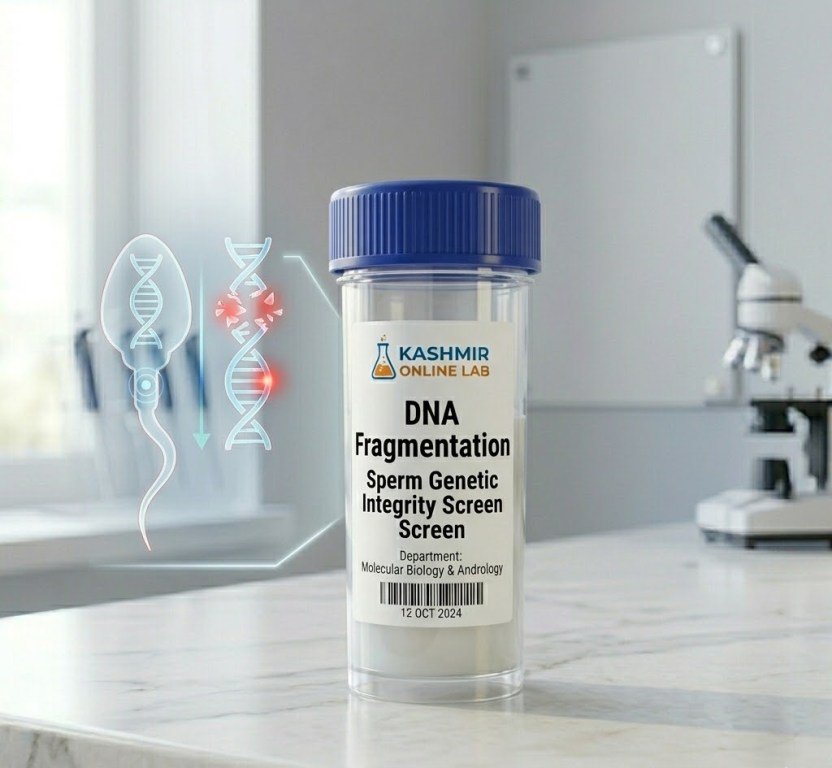
The Sperm DNA Fragmentation Test goes beyond a standard semen analysis to evaluate the genetic quality of sperm. It measures the amount of damaged or broken DNA within the sperm cells, providing critical answers for unexplained male infertility, recurrent miscarriages, and repeated IVF failures.
A standard semen analysis tells you how many sperm there are, how they look, and how they swim. However, it does not evaluate the vital genetic cargo inside the sperm. The Sperm DNA Fragmentation (SDF) test assesses the integrity of the DNA double helix within the sperm head. High levels of fragmentation mean there are many breaks or lesions in the DNA strands, which can severely compromise reproductive success.
Clinical Significance:
-
Explaining the “Unexplained”: Often, men with perfectly normal standard semen analyses still struggle with infertility. High DNA fragmentation is frequently the hidden culprit.
-
Embryo Development & Miscarriage: Sperm with highly damaged DNA can often still fertilize an egg. However, once the embryo begins to develop (usually around day 3 or 4), the damaged paternal DNA causes development to arrest, leading to implantation failure or early miscarriage.
-
Guiding IVF/ICSI: Knowing the fragmentation level helps fertility specialists choose the right assisted reproductive technology. For very high fragmentation, advanced sperm selection techniques (like MACS or PICSI) or extracting sperm directly from the testicle (TESE) might be necessary to bypass the damage.
When is this test recommended?
-
Recurrent Pregnancy Loss: Couples who have experienced multiple miscarriages.
-
Failed ART Cycles: Repeated failures of IUI, IVF, or ICSI treatments.
-
Unexplained Infertility: Couples unable to conceive despite normal standard fertility workups.
-
Risk Factors: Men of advanced paternal age (over 40), or those with a history of smoking, obesity, exposure to high heat/toxins, or a clinical varicocele (enlarged veins in the scrotum).
Sample Requirements:
-
Specimen: Ejaculate (Seminal Fluid).
-
Container: Sterile, wide-mouth specimen collection cup or a specialized lab-provided transport tube.
-
Preparation: Abstinence from ejaculation for 2 to 3 days (a shorter abstinence period is often preferred for this specific test compared to standard analysis, as prolonged storage in the body can increase DNA damage).
-
Handling: The sample must be delivered to the lab promptly (usually within 1 hour) and kept at body temperature, or prepared and flash-frozen immediately by the clinic according to specific lab protocols.