Description
Anti-Hepatitis A Virus (HAV) Test
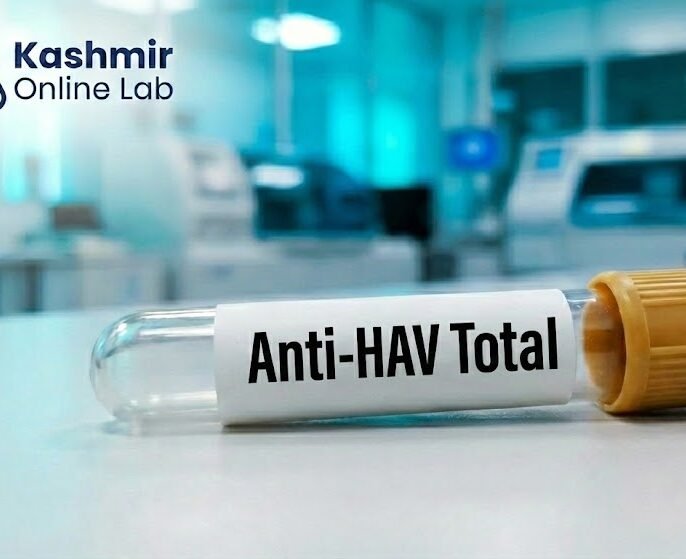
The Anti-Hepatitis A Virus (HAV) Test (also known as the HAV Antibody Test) is a serological blood test that detects specific antibodies produced by the immune system in response to the Hepatitis A virus. It is the primary tool used to diagnose an acute infection or to verify immunity.
Product Description
1. What It Measures:
The test looks for two types of antibodies:
- IgM Anti-HAV (Immunoglobulin M): These are the “early” antibodies. They appear within 5–10 days of exposure (often before symptoms start) and typically disappear within 6 months.
- Presence: Indicates a current, active infection.
- IgG Anti-HAV (Immunoglobulin G): These are the “long-term” antibodies. They appear later in the infection and persist for life.
- Presence: Indicates immunity resulting from either a past infection or vaccination.
2. Clinical Use:
- Diagnosis: To confirm if a patient with symptoms (jaundice, fatigue, dark urine) has acute Hepatitis A.
- Immunity Screening: To determine if a person needs the Hepatitis A vaccine (travelers, healthcare workers) or if they are already protected.
3. Procedure:
- Sample: A small blood sample is drawn from a vein in the arm (serum sample).
- Preparation: No fasting or special preparation is typically required.
- Turnaround: Results are usually available within 24 hours depending on the lab.